Counterfeit Kit Worth £5.5m Seized in Largest Operation of Its Kind
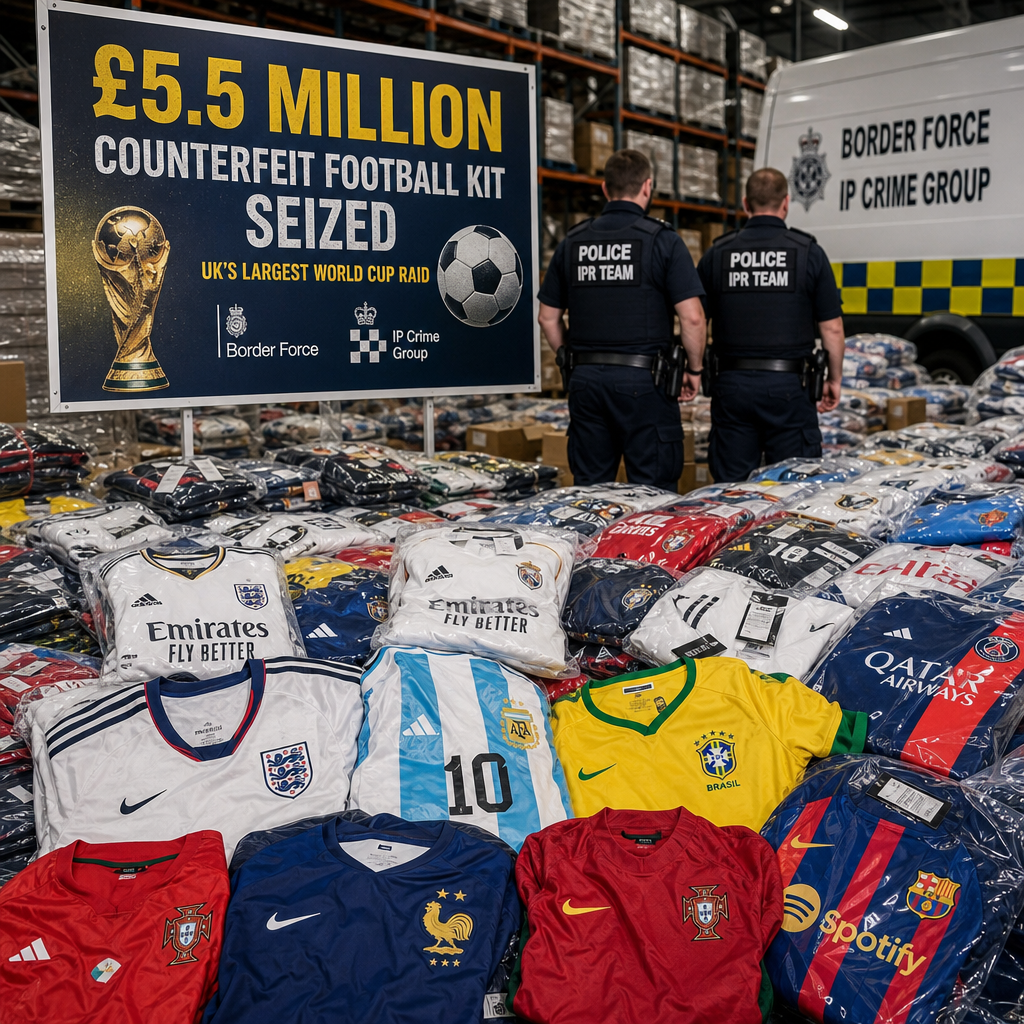
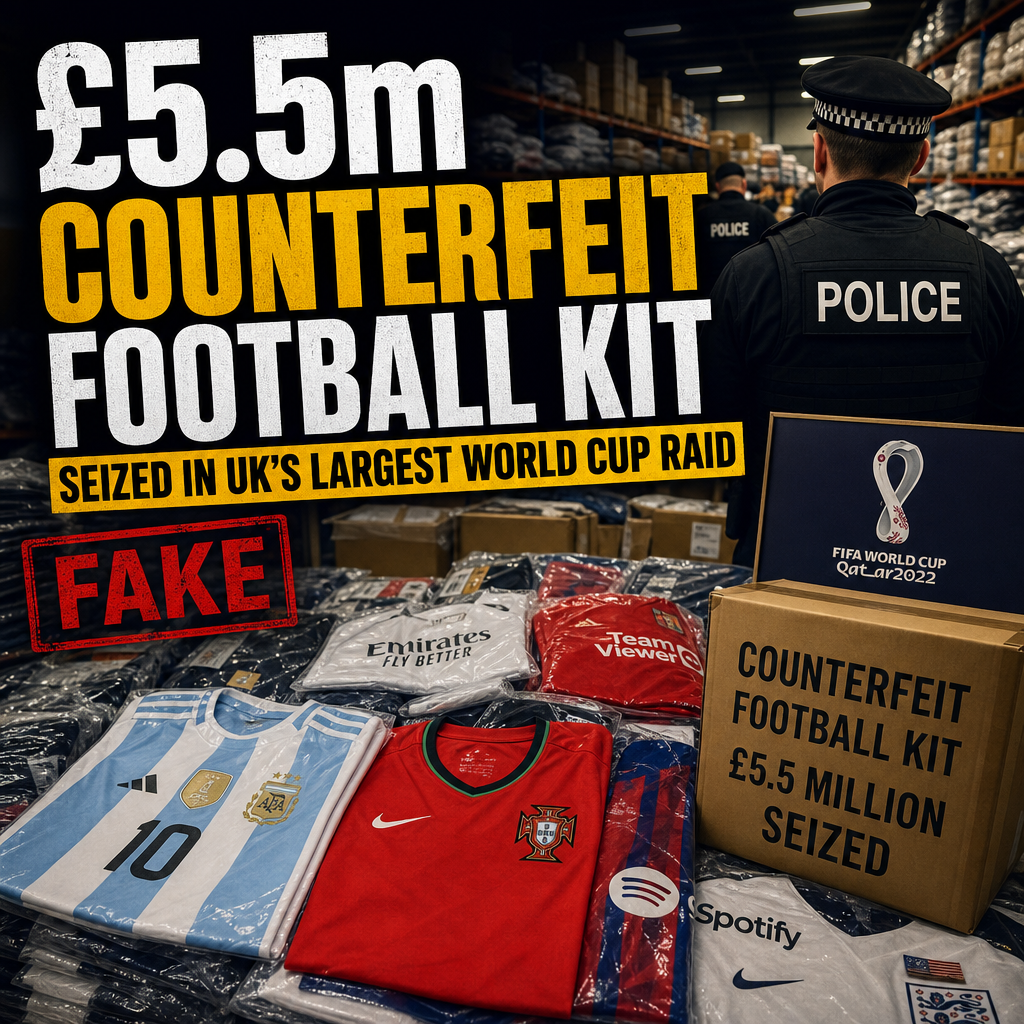
In a landmark crackdown, officials have seized 58,000 counterfeit football shirts and kits with a retail value exceeding £5.5 million. This marks the largest operation of its kind in the UK, targeting the illegal trade in fake football merchandise ahead of the World Cup. The operation highlights the ongoing battle against counterfeit goods that not only damage legitimate businesses but also pose serious safety risks and are linked to organised crime.
Massive Seizure in Edinburgh
This significant seizure took place following intelligence-led operations at a property in Edinburgh. Trading Standards officers from the City of Edinburgh, along with Police Scotland and the National Trading Standards Intellectual Property Crime Unit from Newport, uncovered a sophisticated, large-scale counterfeit operation.
Officials discovered the haul weighing in at nine tonnes, with counterfeit shirts meticulously packaged in grey plastic envelopes. Each parcel was clearly marked with product descriptions, including the team and player names — examples like “England Kit Kane” were used to facilitate easy picking and distribution across illegal markets.
The Scope and Scale of the Operation
The counterfeit kit seized was exclusively from five national teams:
- England – 60% of stock
- Scotland – 20%
- France – 6%
- Spain – 6%
- Portugal – 8%
This selection reflects the high demand for these teams’ merchandise during the World Cup period.
Why Counterfeit Football Kits Matter
Substandard Quality and Safety Risks
Unlike genuine merchandise, counterfeit football kits often neglect basic safety and quality standards. Substandard materials and dyes can contain harmful toxins, exposing consumers to potential health risks. Buying fake kits may seem innocent, but the neglected safety controls pose dangers especially to children.
Impact on Legitimate Businesses
The illegal sale of counterfeit football shirts severely damages official manufacturers and retailers. It results in lost revenue, undermines brand integrity, and stifles economic growth associated with the sport’s global merchandise market.
Links to Organised Crime
Beyond financial harm, counterfeit kits have strong ties to organised crime networks. The profits generated from selling fake sports merchandise often fund other criminal activities, including trafficking and money laundering, making it a serious law enforcement concern.
Collaborative Efforts to Combat Counterfeit Operations
The success of this operation was only possible through collaboration between multiple agencies:
- City of Edinburgh Trading Standards led the local enforcement.
- Police Scotland provided law enforcement support and intelligence.
- National Trading Standards Intellectual Property Crime Team brought expertise in intellectual property rights enforcement.
- Brand Protection Experts offered critical knowledge about authentic products and helped identify counterfeit characteristics.
This combined effort reflects the growing need for cross-agency cooperation to effectively tackle counterfeit goods.
What Can Consumers Do?
To avoid purchasing counterfeit football kits, consumers should:
- Buy from official retailers and websites only.
- Be wary of deals that seem too good to be true – extremely low prices may indicate fake products.
- Check product details carefully, such as tags, packaging, and stitching quality.
- Report suspicious sellers or products to trading standards or consumer protection agencies.
Protecting yourself from counterfeit goods helps support legitimate businesses and reduces the funding streams for organised crime.
Conclusion
The seizure of £5.5 million worth of counterfeit football kits in Edinburgh has struck a major blow against illegal merchandise sales in the UK. This large-scale operation shines a spotlight on the dangers of counterfeit sportswear—from potential health risks to enabling crime networks. As the World Cup continues to fuel demand for football shirts, continued vigilance and coordinated enforcement remain vital to safeguard consumers, brands, and the integrity of the beautiful game.