
You’ve learned the basics, chosen a bookie, and mastered the main bet types. You’re comfortable placing a bet before a match begins. But what happens once the whistle blows? Welcome to the dynamic and fast-changing world of live betting.
Also known as in-play betting, this is the practice of placing wagers on an event after it has already started. The odds are no longer static; they fluctuate in real-time, reacting to every goal, foul, and substitution. It’s a completely different way to engage with a match, offering unique opportunities and significant risks.
This guide will serve as your introduction to this world. We’ll explain how it works, what the key advantages and dangers are, and break down the all-important “Cash Out” feature.

The Advantages of In-Play (Live) Betting
Why do so many punters love betting in-play?
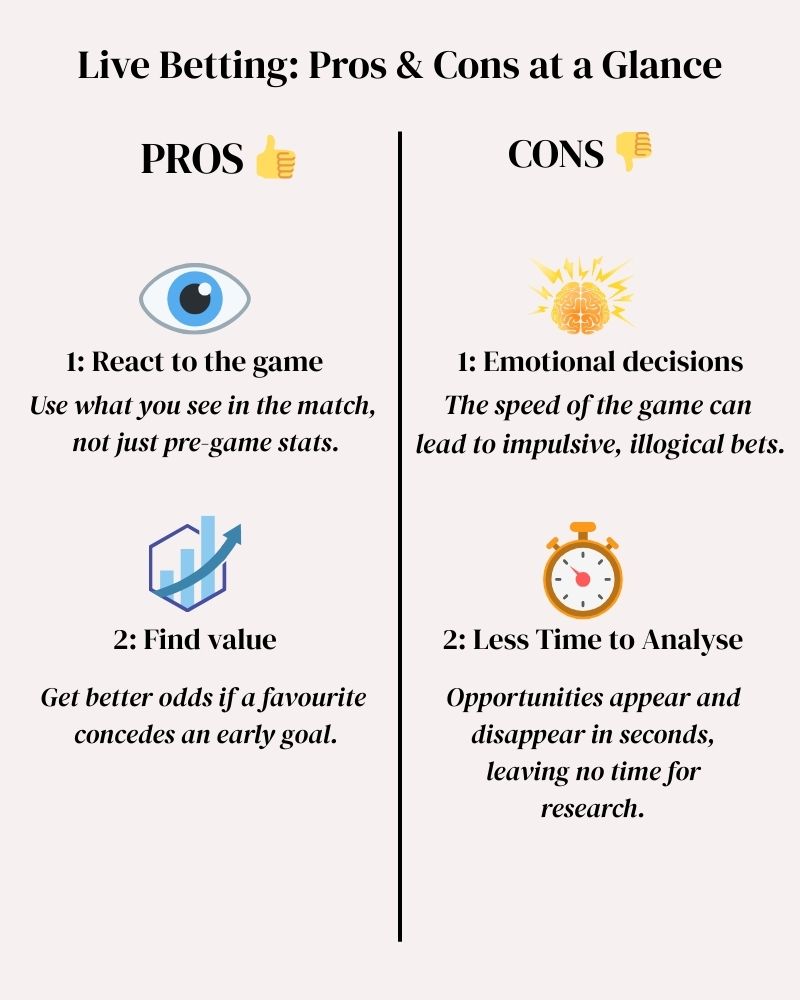
- You Can Assess the Game’s Flow: Statistics are useful, but they can’t tell you everything. Live betting allows you to watch the first 15-20 minutes to get a feel for the game. Are the favourites looking sluggish? You can use your own eyes to find opportunities the pre-match market might have missed.
- Find Value After an Upset: If a strong favourite concedes an early goal, their live odds to win will lengthen significantly. If you’re confident in their ability to mount a comeback, you can get much better value than you would have before kick-off.
- Take Control with Cash Out: Live betting gives you the ability to react to your existing bets, lock in a profit, or mitigate a loss using the famous Cash Out feature.
The Dangers of In-Play (Live) Betting
With great opportunity comes great risk. The fast-paced nature of in-play betting can be a minefield for the undisciplined.
- Emotional Decisions: It’s easy to get carried away by the excitement of a match. A sudden goal can trigger impulsive bets that are not based on sound logic.
- Less Time for Analysis: The window of opportunity for a good bet can be a matter of seconds. This leaves very little time for proper research. You are forced to trust your gut, which is not a reliable long-term strategy.
⚠️ Responsible Gambling Warning
In-play betting can be addictive due to its speed and instant nature. The constant fluctuations can encourage chasing losses. Always set deposit and loss limits before you start a session, and never bet more than you are prepared to lose.
How Main Markets Behave In-Play
So, how do the bet types you already know from our Beginner’s Guide to Bet Types change once the game is live?
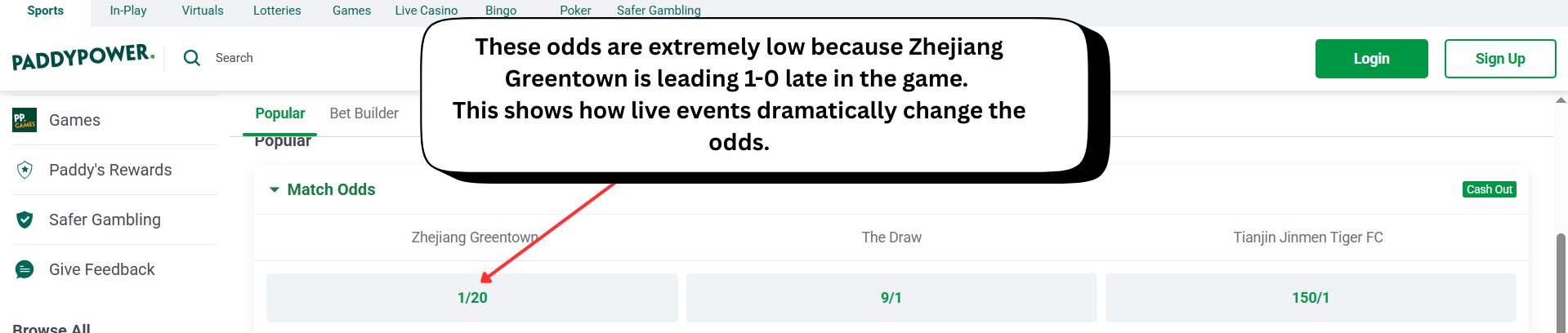
- Match Result (1X2 / Moneyline): If a team scores, their live odds to win will immediately shorten (decrease), while the odds on a Draw and an opposition win will lengthen (increase).
- Over/Under Goals: The line itself moves. If the pre-match line is Over/Under 2.5 and the first half ends 0-0, the live line might drop to Over/Under 1.5.
- Handicap (The Spread): The handicap line also adjusts. If a team with a (-1) pre-match handicap goes 1-0 up, the live handicap line might adjust to (-2) to reflect the new state of the game.
The Cash Out Feature in Live Betting Explained
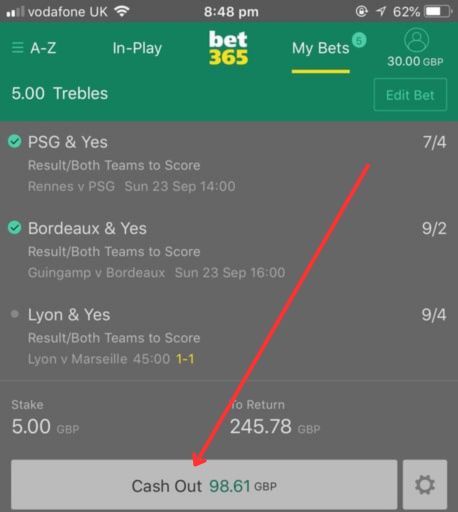
Cash Out is one of the most popular features of in-play betting. It gives you the option to settle your bet before the event has finished for a value offered by the bookmaker.
Why would you use Cash Out?
- To Lock in a Profit: Your bet is winning, but you’re nervous about a late comeback. Cashing out guarantees you a profit, even if it’s less than the potential full winnings.
- To Mitigate a Loss: Your bet is losing, and a comeback looks unlikely. Cashing out allows you to get a small portion of your stake back, rather than losing it all.
Simple In-Play Betting Tips for Beginners
Live betting is a skill. Here are a few simple rules to start with:
- Have a Pre-Game Plan: Before the match starts, decide what scenarios you are looking for. For example, “If the underdog doesn’t concede in the first 20 minutes, I will consider a bet on them.” This prevents purely impulsive betting.
- Watch the Live Stats: Don’t just watch the score. Pay attention to in-game statistics like shots on target, possession, and expected goals (xG). They often tell a more accurate story of the match than the current scoreline.
- Set a “Stop-Loss”: Decide on the maximum amount you are willing to lose during a single game before it starts, and do not exceed it, no matter what happens.
- Avoid the Last 10 Minutes: The end of a game is the most volatile period. Odds fluctuate wildly, and emotional decisions are common. It’s often wise for beginners to simply watch and learn during this phase.
Frequently Asked Questions (FAQ)
What does live betting mean?
Live or in-play betting is the act of placing a wager on a sporting event after it has already begun. The odds change in real-time based on the action in the game.
Is live betting profitable?
It can be, but it’s very challenging. Profitability in live betting requires discipline, quick analysis, and a solid strategy to overcome the risks of emotional decision-making.
What is the Cash Out feature in live betting?
Cash Out is an option that allows you to settle your bet before the event is over. A bookmaker offers you a real-time value to end your bet early, either to secure a partial profit or to cut your losses.
Conclusion
Live betting adds an exciting, dynamic dimension to sports wagering, but its speed makes it a powerful tool that must be handled with care. If you want to explore in-play betting seriously, start small, track your results, and always combine it with a solid bankroll management strategy.
The next crucial step is learning how to manage your funds in this fast-paced environment. Since you have less time to think during a live game, having a solid money management plan is not just important—it’s essential.
Read Next: What is Bankroll Management? The Key to Betting Smart