
You’ve learned the rules of the game. You know how to analyse a match, you have a solid bankroll management strategy, and you understand the different types of bets you can place. Even with all the practical tools at your disposal, you now face your final and most formidable opponent: your own mind.
Key Takeaways
- Your biggest opponent in betting is your own psychology.
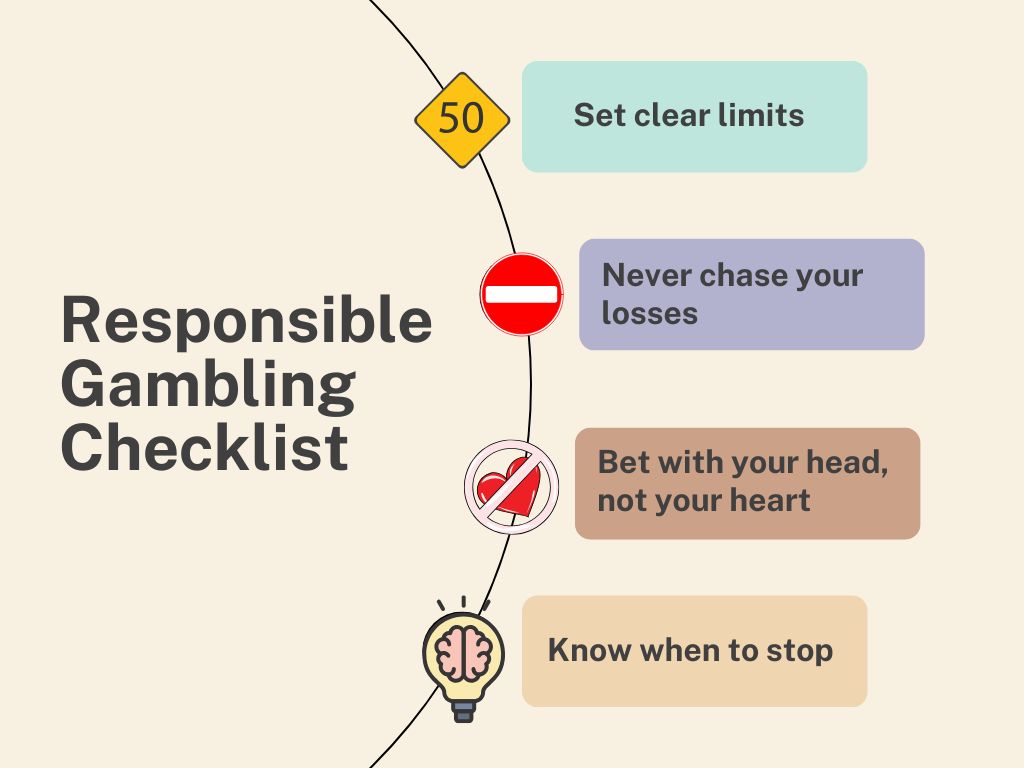
- Never chase your losses; always stick to your bankroll management plan.
- Separate your emotions as a fan from your analysis as a bettor.
- Discipline is far more important than a short-term winning streak.
Welcome to the world of betting psychology. This is the invisible battlefield where long-term profit is won and lost. Understanding the common emotional traps and cognitive biases that affect every punter is the last crucial step in moving from a casual gambler to a disciplined player.
This guide isn’t just about listing mistakes; it’s about helping you cultivate a calm, patient, and analytical sports betting mindset. Let’s explore the five most common traps and, more importantly, how to avoid them.

Quick Guide: Identify and Overcome Betting Traps
| Trap Name | Common Symptom (What It Looks Like) | Solution (How to Fix It) |
|---|---|---|
| 1. Chasing Losses | Placing larger, unplanned bets right after a loss. | Stick rigidly to your bankroll plan. Accept the loss and move on. |
| 2. Emotional Bias | Betting on your favorite team against statistical evidence. | Have a strict rule: never bet on your own team. |
| 3. Gambler’s Fallacy | Thinking a team is “due for a win” after a losing streak. | Analyze each event independently. Trust data, not superstition. |
| 4. Confirmation Bias | Only seeking information that supports your gut feeling. | Actively seek out counter-arguments. Play “devil’s advocate”. |
| 5. Overconfidence | Doubling your stake because you’re “on a hot streak”. | Stick rigidly to your staking plan, no matter the recent results. |
Trap 1: ‘Chasing’ Your Losses
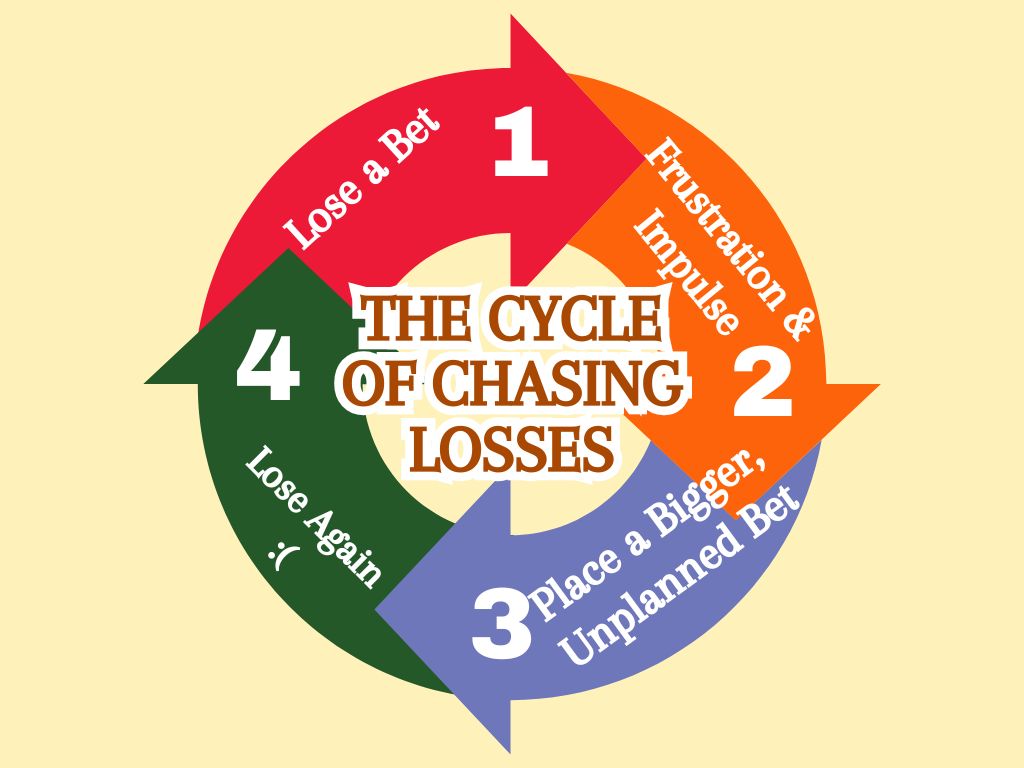
This is the oldest and most destructive trap in gambling. “Chasing losses” is the act of trying to win back money you have just lost by placing more, often larger and less-researched, bets.
The Scenario: You lose a carefully analysed £5 bet. Frustrated, you place a £10 bet on the next random game, hoping for a quick recovery. The Psychology: This isn’t a logical decision but an emotional one, driven by the sting of frustration and the desire for instant recovery. It almost always leads to bigger losses. How to Avoid It: Your [link]bankroll management[/link] plan is your shield. When a bet loses, simply accept it, record it in your log, and move on to analysing the next planned bet. Never deviate from your staking plan to recover a loss.
Trap 2: Betting With Your Heart (Emotional Bias)
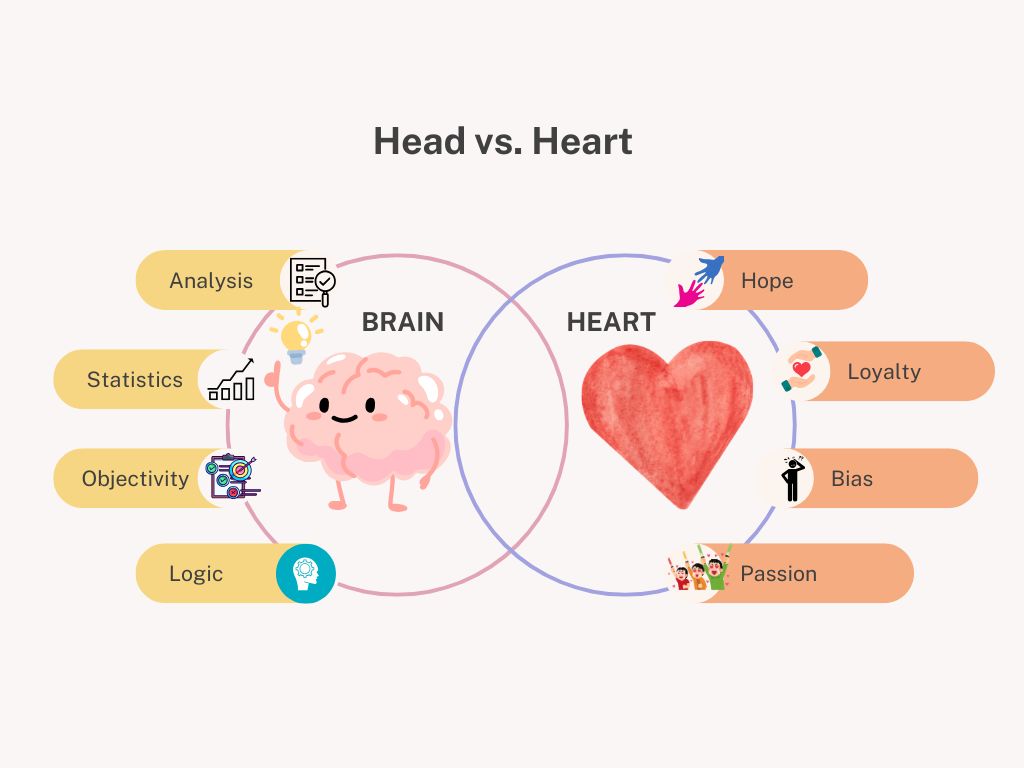
This trap involves letting your loyalty to a team (or your dislike of a rival) influence your betting decisions.
The Scenario: You’re a lifelong Manchester United fan, and they’re playing Manchester City. Your statistical [link]analysis[/link] suggests City are the much stronger side, but you bet on United anyway because you want them to win. The Psychology: You are betting based on hope, not evidence. This confuses your role as a fan with your role as an analytical punter. How to Avoid It: Many serious bettors have a simple rule: never bet on your own team. It’s almost impossible to remain objective. If you can’t resist, treat the bet as pure entertainment, using only a stake you are fully prepared to lose.
Trap 3: The Gambler’s Fallacy
The Gambler’s Fallacy, also known as the Monte Carlo fallacy, is the mistaken belief that past events influence future outcomes in an independent random process.
The Scenario: A coin lands on heads five times in a row. Many believe tails is now ‘due.’ But each flip is independent; the coin has no memory. In football, it’s believing a team that has lost four games in a row is “due for a win.” The Psychology: This is a failure to understand probability. The fact a team has lost four games doesn’t automatically increase its chances of winning the fifth. How to Avoid It: Trust your analysis, not superstition. Analyse each game on its own merits. Ignore past streaks unless they provide concrete analytical information (e.g., low morale, key injuries).
Trap 4: Confirmation Bias
This is a subtle but powerful mental trap. Confirmation bias is the tendency to search for and interpret information in a way that confirms your pre-existing beliefs.
The Scenario: You have a gut feeling that Liverpool will win. You then start researching and only pay attention to articles and stats that highlight Liverpool’s strengths, subconsciously ignoring news about their key player’s injury. The Psychology: You aren’t conducting impartial research; you’re building a legal case to justify a verdict you’ve already reached. How to Avoid It: Actively play “devil’s advocate.” Before placing any bet, make a conscious effort to find the best arguments against it. If you can’t find a convincing counter-argument, your reasoning is probably sound.
Trap 5: Overconfidence After a Win
Just as dangerous as chasing losses is becoming arrogant after a winning streak.
The Scenario: You’ve just won five bets in a row. You feel invincible and decide to double your normal stake on the next bet because you’re “on a hot streak.” The Psychology: A short run of good luck is mistaken for skill. This leads to abandoning the very bankroll strategy that allowed you to succeed. How to Avoid It: This is the ultimate test of discipline. Rigorously stick to your staking plan, always. Your stake should be what your plan dictates, whether you’ve won five or lost five.
Frequently Asked Questions
Q: How do I stop emotional betting? A: The best method is to have a strict rule: never bet on games involving your favorite team. Additionally, always follow a pre-written analysis and never place a bet on impulse.
Q: What’s the difference between a bad bet and a bet that just lost? A: A bet that lost was simply an outcome that didn’t go your way, but if your analysis was sound, it was still a good bet. A bad bet is one made without research, by chasing losses, or based on emotional bias, regardless of whether it wins or loses.
Conclusion: The Final Piece of the Puzzle
Developing the right betting psychology is the final piece of the puzzle. By mastering bankroll management, match analysis, and betting psychology, you build the foundation for long-term success. Ultimately, true success in betting isn’t just about the numbers on a spreadsheet; it comes from mastering yourself.
Congratulations! You have now completed the beginner’s journey. The next step is to practice, learn from your mistakes, and continue your education.