Carlos Tevez Sparks Investigation into AFA Treasurer’s Alleged Misconduct in Pilar
In March 2024, retired Argentine football star Carlos Tevez stirred significant controversy with a cryptic tweet hinting at suspicious activities linked to the Argentine Football Association (AFA). Specifically, Tevez suggested that the AFA’s treasurer had been making frequent trips to the suburb of Pilar, implying illicit behavior involving buried cash and a collection of antique cars. His message ignited a political and judicial inquiry into the financial dealings of some of Argentina’s top football officials, revealing a complicated backdrop of corruption allegations amid the country’s rise as football world champions.
Tevez’s Tweet: A Trigger for Scrutiny in Pilar
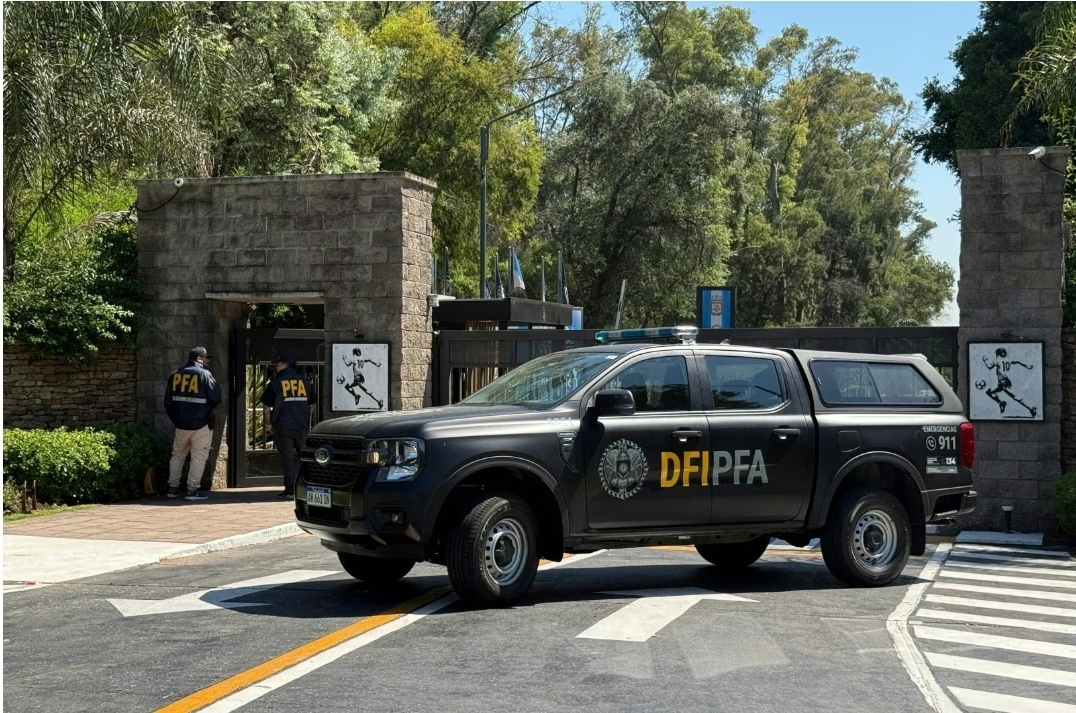
Carlos Tevez’s brief but provocative social media post served as a catalyst for Coalicion Civica—a progressive political party—to launch a formal investigation into a mysterious villa in Pilar. The property reportedly features a heliport, stables, and an astonishing collection of 54 vehicles that includes luxury and collectible cars. After a criminal complaint was filed, authorities linked the villa directly to high-ranking AFA officials, including President Chiqui Tapia and Treasurer Pablo Toviggino.
While the exact contents and implications of Tevez’s claim are still under investigation, the situation has intensified the spotlight on the AFA’s internal governance, especially given the backdrop of Argentina’s ongoing football successes.

Allegations and Raids: Unraveling a Complex Web
The villa wasn’t the only target of law enforcement’s scrutiny. Earlier in December 2023, police conducted raids at AFA’s headquarters and over a dozen football clubs as part of a major money-laundering investigation. These probes were centered on suspicious financial transactions linked to player transfers and dealings with a financial services company, raising concerns about a vast network of illicit operations.
The subsequent raid on the Pilar property uncovered an impressive assortment of assets. Along with the vehicles, officials found a black imitation leather bag bearing the AFA logo and Toviggino’s name, several football-related books, and a plaque honoring the treasurer. These findings fuel allegations from Coalicion Civica that the villa operates as a front for laundering funds connected to the AFA’s leadership.
Financial Irregularities and Legal Actions
The case has grown more serious with last week’s criminal charges against Tapia, Toviggino, and other AFA figures for unlawfully retaining taxes amounting to $13 million, based on complaints from Argentine tax authorities reported by La Nacion. Meanwhile, the AFA has maintained a defensive stance, claiming the investigation is politically motivated.
In a public response, the AFA pointed to the sporting triumphs under Tapia’s tenure, including Argentina’s celebrated 2022 World Cup victory, as evidence of their positive contributions to the game. They also alluded to President Javier Milei’s administration as antagonistic due to its reform agenda pushing football clubs to transition from nonprofit entities to privately owned, for-profit companies.
Insider Testimonies Connect Villa to AFA Leadership
Matias Yofe, leader of Coalicion Civica’s Pilar branch, provided insights gathered from interviews with about 10 former employees of the villa. These accounts suggested that either Tapia or Toviggino effectively owned the property, citing instances such as Tapia’s arrival by helicopter and gifting staff football jerseys. Evidence of informal use of the villa’s amenities further implicated the AFA leadership in the villa’s operations.
Official property records add another layer to the mystery, showing the villa was bought in 2024 through a company held by Ana Lucia Conte and Luciano Nicolas Pantano—mother and son duo whose finances reportedly could not justify such an expensive purchase. Pantano’s known involvement with the football community, as the head of the Argentine Civil Association of Futsal and Beach Football, complicates matters further.
The Context: Football Glory versus Organizational Turmoil
Despite the glory on the pitch, the AFA faces one of its worst crises in years. Argentine sports journalist Nestor Centra described the situation as having “two AFAs”: a successful international side overshadowed by domestic organizational instability. The judicial investigations reveal deep-rooted problems in managing financial transparency and governance, threatening the reputation of a football culture that means so much to the country.
Will the Judicial Crisis Affect Argentina’s World Cup Hopes?
Experts believe these investigations are unlikely to interfere with Argentina’s participation in the upcoming World Cup. Alan Wilder, a Buenos Aires-based sports law attorney, stated that the political cost of excluding stars like Lionel Messi would be too high. “No one would approve of the mere idea of taking Messi out of the World Cup, with this possibly being his last World Cup. He’s the sacred cow,” Wilder commented.
However, the scandal has intensified conversations around governance reform in Argentine football, especially given President Milei’s agenda to privatize clubs—a move long resisted by existing football authorities.
Conclusion
Carlos Tevez’s seemingly simple tweet has unmasked a sprawling investigation touching the highest levels of Argentina’s football administration. From secretive luxury villas and collections of rare cars to allegations of tax evasion and money laundering, the scandal highlights the tensions between football’s passion-fueled success and its murky political-economic realities.
As Argentina continues to cherish its status as reigning world champions, the fallout from these investigations could presage fundamental changes in how football is governed in one of the sport’s most iconic nations. With upcoming court proceedings and public scrutiny intensifying, the balance between sporting triumph and institutional integrity remains fragile but critical.In March 2024, retired Argentine football star Carlos Tevez sparked a wave of controversy with a cryptic tweet that hinted at suspicious financial dealings involving high-ranking officials in the Argentine Football Association (AFA). His claims pointed to unusual activities centered around a luxurious villa in Pilar, a suburb of Buenos Aires, setting off a series of investigations that exposed deeper issues within Argentina’s football world.
Carlos Tevez’s Tweet and the Pilar Villa Investigation
Carlos Tevez’s unexpected social media post alleged that the AFA treasurer had been making frequent trips to Pilar, supposedly to bury bags of cash and showcase a notable collection of antique cars. These claims caught the attention of the progressive political party Coalicion Civica, which promptly filed a criminal complaint focusing on the mysterious villa. The property, sprawling across several city blocks, housed a heliport, stables, and a staggering fleet of 54 vehicles, including luxury models like Ferrari and Porsche.
The villa’s apparent connection to Pablo Toviggino, the AFA treasurer, and Chiqui Tapia, the AFA president, raised serious suspicions of money laundering. Authorities’ discovery of a black imitation leather bag with the AFA logo and Toviggino’s name during the raid only fueled speculation about the possible misuse of funds. Employees who worked on the Pilar property described it as essentially operated by AFA leaders themselves, further solidifying the link between the villa and the football governing body.
Scandals Rocking Argentina’s Football Administration
This controversy is not an isolated incident but part of a larger wave of scandals engulfing the AFA. In early December 2023, law enforcement raided AFA headquarters and several football clubs amid a money laundering inquiry tied to club transfers and financial transactions involving a services company. Just days later, the villa in Pilar was targeted in a separate raid, becoming the focal point of the growing investigation into possible financial crimes within the organization.
These investigations culminated in charges against Tapia, Toviggino, and other AFA officials for unlawful retention of taxes amounting to $13 million. Despite numerous requests, the AFA has remained silent on these allegations, releasing only a brief statement accusing the government of President Javier Milei of targeting football institutions for political reasons. The AFA emphasized its sports successes under Tapia’s leadership, notably Argentina’s triumphant 2022 World Cup campaign.
Dual Realities: International Success vs. Domestic Turmoil
As Nestor Centra, an Argentine sports journalist, observed, there are effectively “two AFAs” — one that delivers international football glory and another mired in bureaucratic and financial instability. Argentina’s ability to shine on the global stage contrasts sharply with the turbulent and opaque nature of its football administration.