World Cup cancellations: Why tournament has been called off in the past as Iran withdraws
World Cup cancellations are rare yet significant events that illuminate how global conflicts and political tensions can affect even the most celebrated sporting spectacles. Following Iran’s recent withdrawal from the 2026 World Cup amid escalating geopolitical conflict, the footballing world is reminded of the tournament’s fragile relationship with international affairs. This article delves into the reasons behind World Cup cancellations and boycotts in history, the circumstances surrounding Iran’s shocking pullout, and how FIFA has navigated challenges to keep the tournament a unifying force.
Iran’s Withdrawal and the Contemporary Political Landscape
Iran’s decision to withdraw from the 2026 World Cup marks an unprecedented move in recent football history. This withdrawal came on the heels of the assassination of Iran’s Supreme Leader Ayatollah Ali Khamenei and the subsequent military conflict involving the United States. Since the US is a joint host for the 2026 tournament, Iranian officials have declared it “impossible” for their national team to compete, citing safety concerns and political opposition.

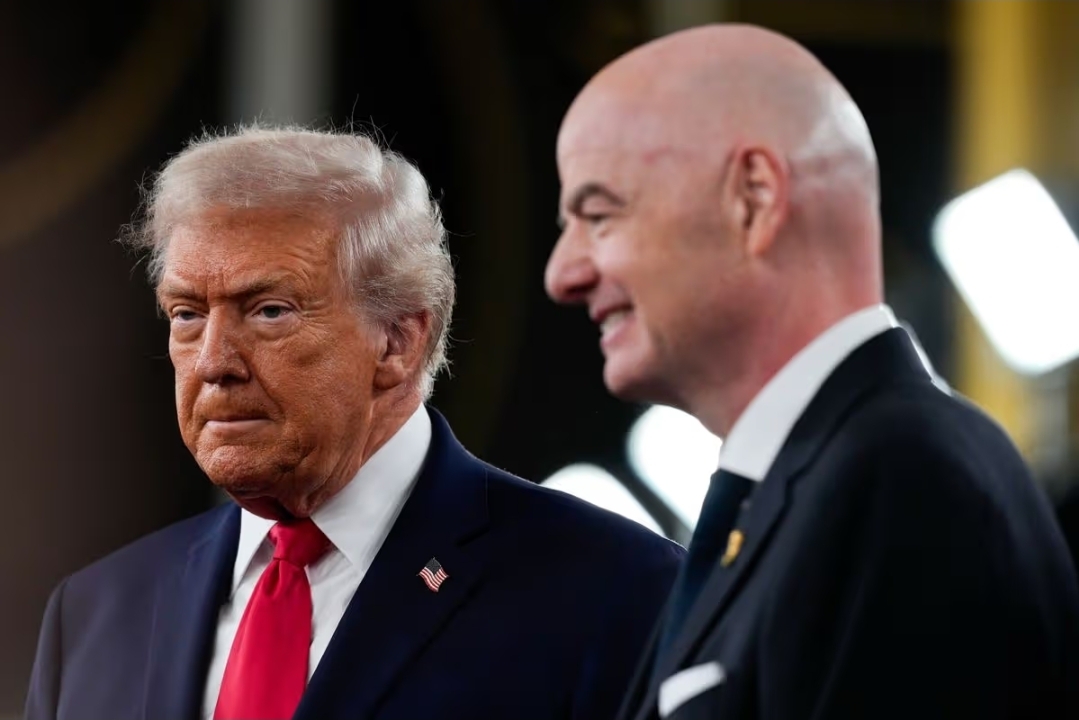
Despite this sharp development, FIFA has acted swiftly to preserve tournament integrity and global unity. Chief Operating Officer Heimo Schirgi emphasized that the event would proceed as planned, underscoring the importance of football as a bridge even in the most turbulent times. Similarly, FIFA President Gianni Infantino reaffirmed that Iran remains “welcome” to participate should circumstances allow, reflecting a determination to keep politics separate from sport whenever possible.
World Cup cancellations: a history shaped by global conflict
While Iran’s withdrawal introduces fresh uncertainty, cancellations of the World Cup themselves have historically been rare. The tournament has been called off only twice in its history, both times for the same reason: World War II.
The cancellations of 1942 and 1946
The 1942 World Cup was poised to be a significant event, with Nazi Germany submitting a bid and initially considered a favorite host. However, following Germany’s invasion of Poland in 1939 and the resulting outbreak of the war, FIFA was compelled to cancel the competition entirely. International football had become untenable amid extreme geopolitical instability and widespread violence.
Even after the war concluded in 1945, the wounds were too deep for football to resume immediately. The 1946 World Cup was also cancelled primarily due to the widespread devastation across Europe and beyond. Football infrastructure had been decimated; numerous clubs and national teams were disbanded or lacked the resources to participate as nations focused on rebuilding.
Eventually, the World Cup returned in 1950, symbolizing the world’s gradual recovery and desire to reclaim shared cultural and sporting moments.
Boycotts and political tensions: non-cancellations but near disasters
Outside of these cancellations, the World Cup has repeatedly been threatened by boycotts and political disputes that risked its continuity.
1960s and 1970s: Boycotts linked to apartheid and the Cold War
During the 1960s and 70s, the World Cup was a microcosm of larger geopolitical struggles. For example, several African nations boycotted the 1966 World Cup qualifiers in protest against the lack of guaranteed spots for African teams. This forced FIFA to reconsider its qualification policies.
Similarly, the apartheid regime in South Africa led to the country’s suspension from FIFA in 1964, and many countries refused to play against nations aligned with apartheid or those backing colonial regimes. Cold War divisions also resulted in politically charged matches, boycotts, and angry protests, but the tournament managed to avoid outright cancellations.
The 1980s onward: Continued tensions but tournament resilience
Even in recent decades, political controversies have stirred up tensions around the World Cup—from the U.S.’s embargo on Cuba to diplomatic tensions involving Middle Eastern countries. Yet, the tournament has remained resilient, serving as a rare neutral ground where countries meet in competition rather than conflict.
Why the World Cup endures despite political storms
The World Cup’s survival and continued global appeal are rooted in its ability to transcend politics. FIFA has consistently strived to position the tournament as a vehicle for diplomacy and unity, even while navigating the realities of international strife.
Iran’s withdrawal from the 2026 tournament is a stark reminder that political conflict can still pose challenges, especially as the tournament expands to 48 teams and becomes embedded in new geopolitical contexts. However, the assurances from FIFA leadership underscore a fundamental commitment: football should unite rather than divide, offering hope and solidarity to fans worldwide.
Conclusion
The World Cup cancellations during World War II stand as grim reminders of the fragility of international peace, while boycotts in subsequent decades highlight how politics has frequently intersected with football. Iran’s recent withdrawal echoes these past tensions, yet FIFA’s determined stance reflects a legacy of resilience. As the world prepares for the 2026 tournament, the hope remains that the beautiful game will flourish as a symbol of global harmony amid uncertainty.