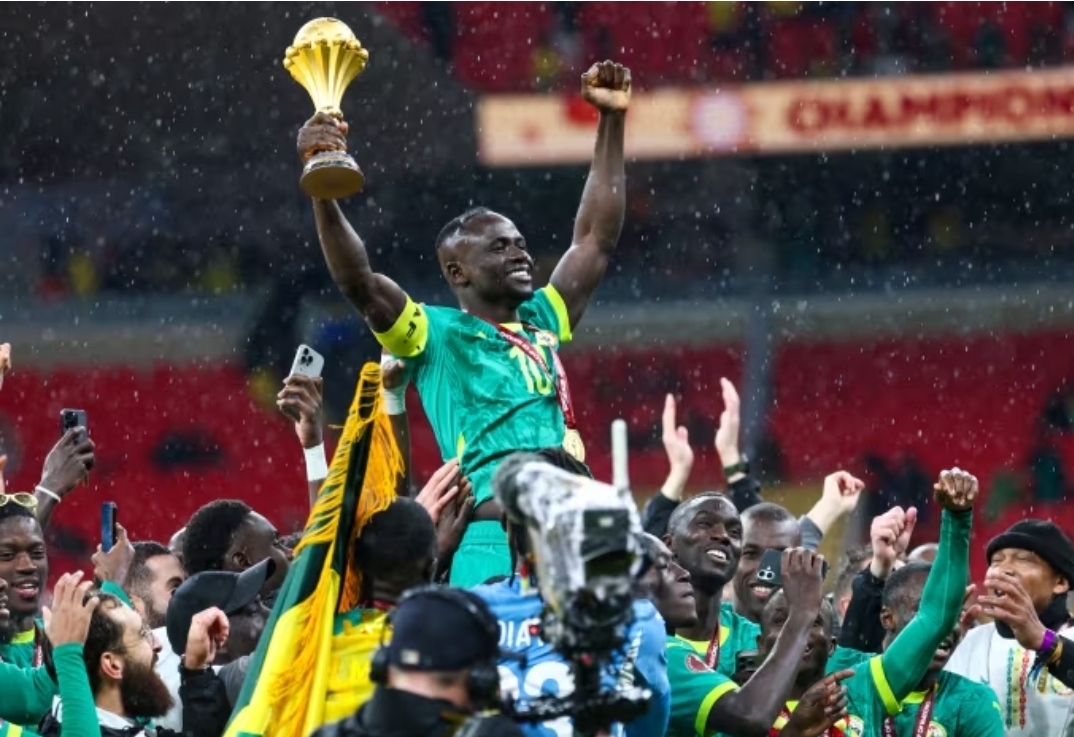
It was 66 days ago that Senegal captain Sadio Mané lifted the Africa Cup of Nations (AFCON) trophy above his head, as golden confetti fell around his exhausted Senegalese teammates. The memory of that triumphant moment remains vivid for fans around the continent and beyond. However, in a stunning and controversial twist, the result of that historic final has now been overturned, thrusting African football into a new chapter of debate and division.
The Senegal-Morocco AFCON Final: A Night to Remember
The 2023 AFCON final between Senegal and Morocco was nothing short of dramatic. Played at the Prince Moulay Abdellah Stadium in Rabat, the contest was marked by tension, passion, and moments that would define African soccer folklore for years. Senegal and Morocco were locked in a goalless stalemate throughout regular time, but the climax came when Moroccan players were awarded a penalty in the dying moments of the match—a decision that provoked furious protests from Senegal’s players and coaching staff.
Senegal’s head coach, Pape Thiaw, led a walk-off protest in response to what was perceived as an unfair penalty decision, following an earlier controversial disallowed Senegalese goal. While some players exited the pitch, others remained in an effort to calm tensions. After a prolonged pause, Senegal’s team returned to the field just in time to witness Morocco’s Brahim Díaz’s spectacular penalty miss. Ultimately, Senegal scored a remarkable goal in extra time to clinch a 1-0 victory, celebrating their second AFCON title with jubilant fans worldwide.

The Unprecedented Decision: CAF Awards Morocco a 3-0 Victory
Fast forward 66 days, and what seemed like a closed chapter was suddenly reopened. The Confederation of African Football (CAF) shocked the soccer community by announcing that Morocco would be awarded a 3-0 win by forfeit, effectively handing them the AFCON crown. According to CAF, Senegal’s initial decision to walk off without the referee’s authorization amounted to forfeiture under Article 82 of the tournament’s regulations. The article stipulates that any team withdrawing or refusing to play without referee approval is to be considered the loser and eliminated from the competition.
This ruling reverses the outcome witnessed on the pitch and has prompted widespread reactions from players, fans, and analysts alike. Senegalese midfielder Idrissa Gueye expressed the collective sentiment of his nation, stating, “We know what we experienced that night in Rabat. And no one can take that away from us.”
The Context Behind the Controversy
To fully comprehend the gravity of this decision, it’s crucial to look beyond the final whistle of that remarkable night. The tournament was shadowed by long-standing tensions rooted in mistrust between African soccer governing bodies and national federations. There had been circulating narratives that Morocco enjoyed favorable treatment from officials during the tournament, both on and off the pitch. These perceptions fed into the already charged atmosphere during the final and perhaps influenced the decisions and reactions of the Senegalese camp.
Following the final, both teams faced sanctions from CAF for the chaotic incidents, including the walk-off, with players and staff receiving various penalties. The Moroccan Football Federation (FRMF) quickly responded by exploring legal avenues to challenge the events, fueled by frustration about what they deemed an unfair protest that disrupted the spirit of competition.
The Fallout and What This Means for African Football
The aftermath of the CAF decision is complex. For Senegal, the outcome undermines the joy of victory and taints the historic achievement of lifting the AFCON trophy. For Morocco, while the reversed result presents a silver lining, it feels like a hollow triumph given the emotional and physical toll experienced during the final.
This unsettling development also raises broader questions about governance, fairness, and transparency in African soccer. Many observers worry that such decisions, made behind closed doors “by a group of suits,” risk alienating fans and undermining the integrity of the sport. The timing of the announcement—amid UEFA Champions League action—also suggests a lack of sensitivity to the spotlight deserved by African football.
Looking Ahead: Rebuilding Trust in African Soccer
The Senegal-Morocco AFCON final dispute offers lessons for all stakeholders in African soccer. Clearer communication, unbiased officiating, and transparent adjudication of disputes are essential to maintain the credibility of competitions. Both CAF and national federations must work together to heal divisions and restore faith among players, fans, and sponsors.
At its core, elite sport thrives on the emotion of triumph and heartbreak. The final in Rabat captured that duality powerfully, and while the official record may now reflect a different winner, the memories and spirit of the game live on in the hearts of millions. As African football looks to the future, ensuring that justice and fairness prevail will be key to preserving the magic that makes tournaments like AFCON truly special.
The story of that unforgettable night in Rabat and its fallout reminds us that soccer—like life—is unpredictable, passionate, and sometimes unfair. Yet, it remains the beautiful game that unites a continent and inspires us all.