Cesc Fabregas and Como’s Champions League Dream Faces Stadium and Financial Hurdles
Cesc Fabregas and Como look as if they could qualify for the Champions League, an incredible achievement for a club with such a recent history of challenges. However, their potential European adventure isn’t without complications. Como’s rise in Serie A under the ownership of the Hartono family is impressive, but stadium infrastructure issues and UEFA Financial Fair Play (FFP) regulations could cast a shadow over their success. This article explores the hurdles Como must overcome to compete on Europe’s biggest stage and how these challenges mirror those faced by other clubs in similar positions.
Como’s Journey to the Top and the Champions League Opportunity
Once a Serie D side, Como has undergone a remarkable transformation, in no small part thanks to Cesc Fabregas’s leadership on the pitch and the deep pockets of the Hartono family. Their swift progression up the Italian football pyramid signals a new era for the club, with Champions League qualification suddenly a tangible target.
Qualifying for Europe’s premier competition is a testament to the club’s revival, but it also brings with it complex logistical and financial requirements. Beyond the exhilaration of high-profile matches and increased revenue streams, Como must navigate stringent UEFA standards.

Stadium Issues: The Stadio Sinigaglia and UEFA Compliance
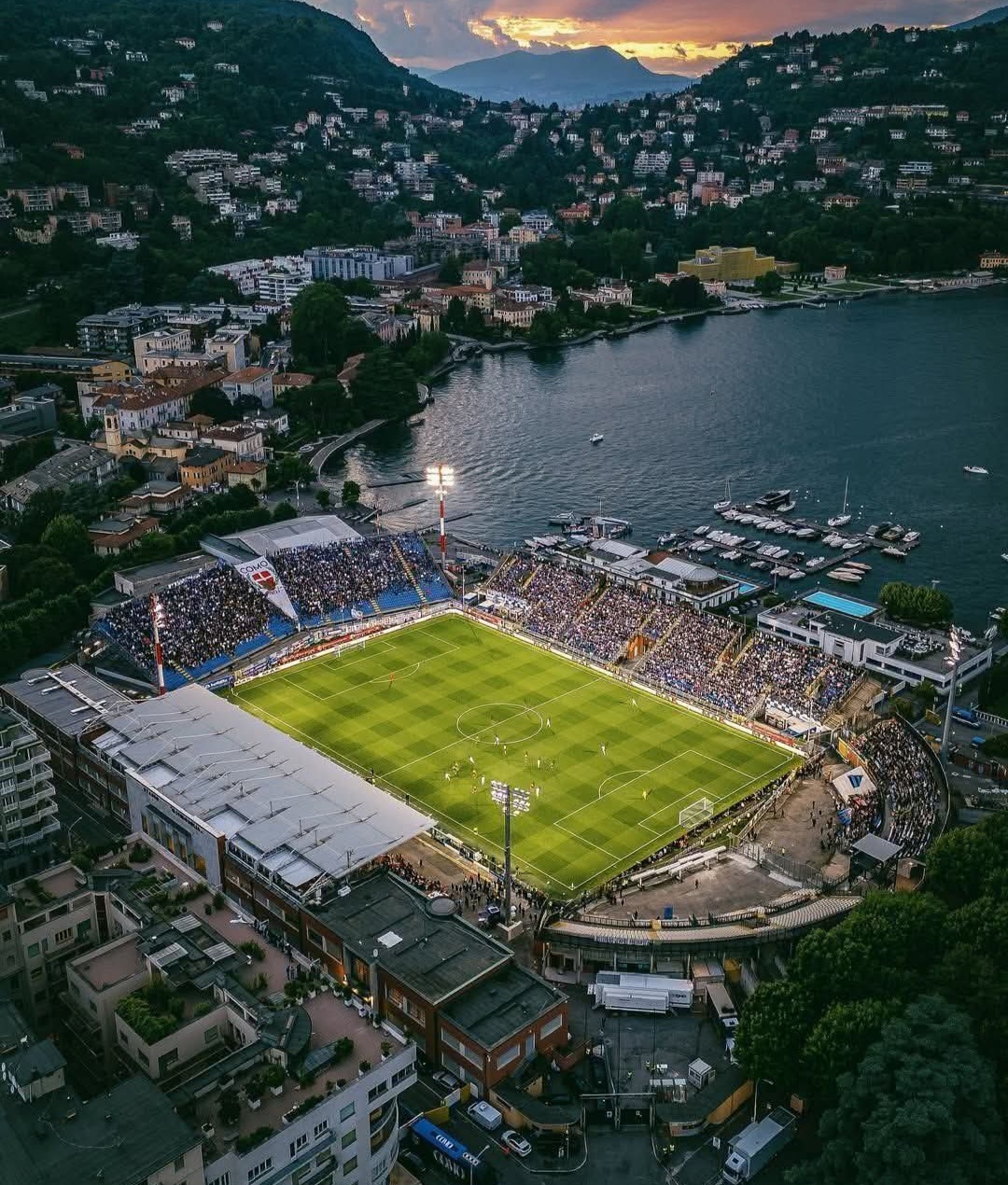
A significant barrier is the club’s home ground, the Stadio Sinigaglia. For Como to host Champions League matches, the stadium must meet UEFA’s strict criteria, which cover everything from seating capacity to safety measures and media facilities.
Currently, Stadio Sinigaglia requires extensive reconstruction and upgrades. These renovations are not just about aesthetics or fan comfort but are mandatory to comply with UEFA’s regulations. The deadline for completing this refurbishment is September 2026. Should the club fail to complete the necessary work on time, they will need to find an alternative venue for their Champions League home fixtures.
Como has already taken steps to address this, recently requesting to use the Mapei Stadium in Reggio Emilia, home to Sassuolo. This arrangement isn’t unprecedented; Atalanta similarly used the Mapei Stadium when they first qualified for the Champions League. While this solution allows Como to compete in Europe, it also means playing home matches away from their passionate local fanbase—a compromise that could impact the team’s performance and supporter experience.
Financial Fair Play Challenges and the Hartono Family’s Investment
While stadium readiness is one hurdle, financial sustainability is another. Como’s rapid rise is heavily backed by the Hartono family, who acquired the club post-bankruptcy and invested substantially to elevate the team’s standing. This influx of capital has driven success but has also resulted in significant financial losses.
According to Calcio e Finanza, Como closed the 2025 financial year with a loss of around €105 million. Such figures could trigger UEFA’s Financial Fair Play penalties designed to encourage clubs to live within their means and promote long-term financial health.
UEFA’s current stance may offer Como a grace period in their first Champions League season, similar to other clubs transitioning to European competitions. However, subsequent seasons will likely require the club to enter into a Settlement Agreement—an official plan to balance the books and reduce losses over time. This scenario echoes the circumstances faced by Aston Villa when they returned to European football in 2023, where a structured financial roadmap was essential to comply with UEFA rules.
The Road Ahead: Balancing Ambition and Compliance
Como’s ambition to compete with Europe’s elite is unquestionably inspiring. However, success on the pitch must be matched by strategic planning off it. Addressing the stadium’s infrastructural demands and ensuring robust financial governance will be critical.
Playing home Champions League matches at a neutral venue like the Mapei Stadium could provide temporary relief but is not a sustainable long-term solution if the club wants to cultivate a strong home advantage and community support. Similarly, managing losses and adhering to FFP regulations will require prudent financial management and potentially less risky investment approaches.
Conclusion
Como, guided by the experienced leadership of Cesc Fabregas, stands on the cusp of a historic chapter with potential Champions League qualification. Yet, their journey is complicated by the need to bring the Stadio Sinigaglia up to UEFA standards and the imperative to align with Financial Fair Play rules after significant financial losses.
Learning from precedents like Atalanta and Aston Villa, Como has options—ranging from temporary ground-sharing arrangements to financial settlement agreements—to navigate these challenges. Their ability to balance ambition with compliance will ultimately determine whether this underdog club can sustain their rise and compete effectively on Europe’s grandest stage.
The next few years will be defining for Como, as they work to turn a dream into a lasting reality.### Cesc Fabregas and Como: Champions League Ambitions Amid Stadium and Financial Challenges
Cesc Fabregas and Como look as if they could qualify for the Champions League, a feat that would mark a remarkable rise for the Italian club. However, this potential success brings with it a set of complex challenges, particularly surrounding stadium requirements and UEFA Financial Fair Play (FFP) regulations. While this scenario offers an exciting glimpse into Como’s meteoric ascent, the reality involves navigating logistical and financial hurdles that could complicate their European journey.
Como’s Champions League Prospects: A Dream Within Reach
Under the guidance of experienced players like Cesc Fabregas and with substantial backing from the Hartono family, Como has steadily improved their performance in Serie A. This progression suggests the club could soon find itself competing among Europe’s elite, a prospect that has sent ripples through Italian football. Qualifying for the Champions League would not only elevate Como’s profile but also bring significant revenue and global attention.
However, success on the pitch is only one part of the equation. UEFA enforces strict rules on stadium criteria and financial health to maintain fair competition standards across European football. Como must meet these requirements to turn their Champions League qualification from a dream into reality.