This is one of those moments where optimism meets reality—and right now, Spain national football team are walking a bit of a tightrope.
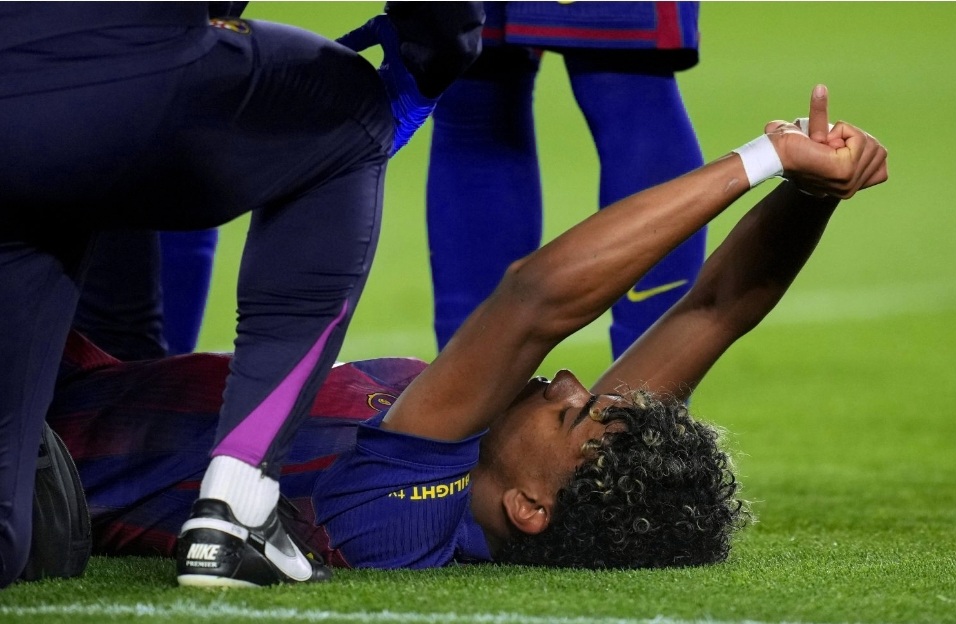
The big issue is obviously Lamine Yamal. A hamstring injury with a ~5-week timeline right before a World Cup is about as awkward as it gets. Even if he technically makes it back in time, he won’t be at full sharpness—and with a player whose game relies so much on explosiveness and 1v1 ability, that matters a lot. Rushing him would be risky, especially given his age.
What Luis de la Fuente said is basically code for: “we’re preparing for the possibility that some key players won’t be fully available.” The bit about players contributing “20 minutes” is telling. It suggests he’s open to:

Taking partially fit stars (like Yamal) for impact-sub roles
Prioritizing squad depth and versatility over just starting XI quality
Planning for multiple match scenarios rather than relying on fixed starters
That’s a pragmatic approach, but it comes with trade-offs. Tournament football is short—you don’t always have time to “wait” for players to get fit.
The other injuries (like Mikel Merino and Víctor Muñoz) quietly hurt the balance of the squad too. Spain under De la Fuente has leaned on control, structure, and midfield depth—losing pieces there affects how well they can dominate games.
Zooming out, Spain still have a strong core, but Yamal is one of those players who changes how opponents defend you. Without him fully fit, they become more predictable.
But,sounds like Luis de la Fuente is deliberately keeping things flexible rather than committing publicly on someone like Lamine Yamal.
That kind of answer usually signals two things. First, there’s genuine uncertainty—likely around fitness or readiness—so he doesn’t want to box himself into a promise he might not be able to keep. Second, he’s emphasizing a broader squad philosophy: not everyone has to start to be important. In tournament football, especially something as intense as the FIFA World Cup, those “20-minute players” can be decisive.
The smile instead of a direct answer is also pretty telling—it keeps the media guessing and avoids putting pressure on a young player. With someone like Yamal, who’s still very early in his career, managing expectations and workload matters just as much as talent.
Overall, it’s a cautious but sensible approach. He’s prioritizing squad balance and adaptability over hype, which is usually what you want heading into a major tournament.