The Challenge of the 2026 World Cup: Battling Extreme Heat
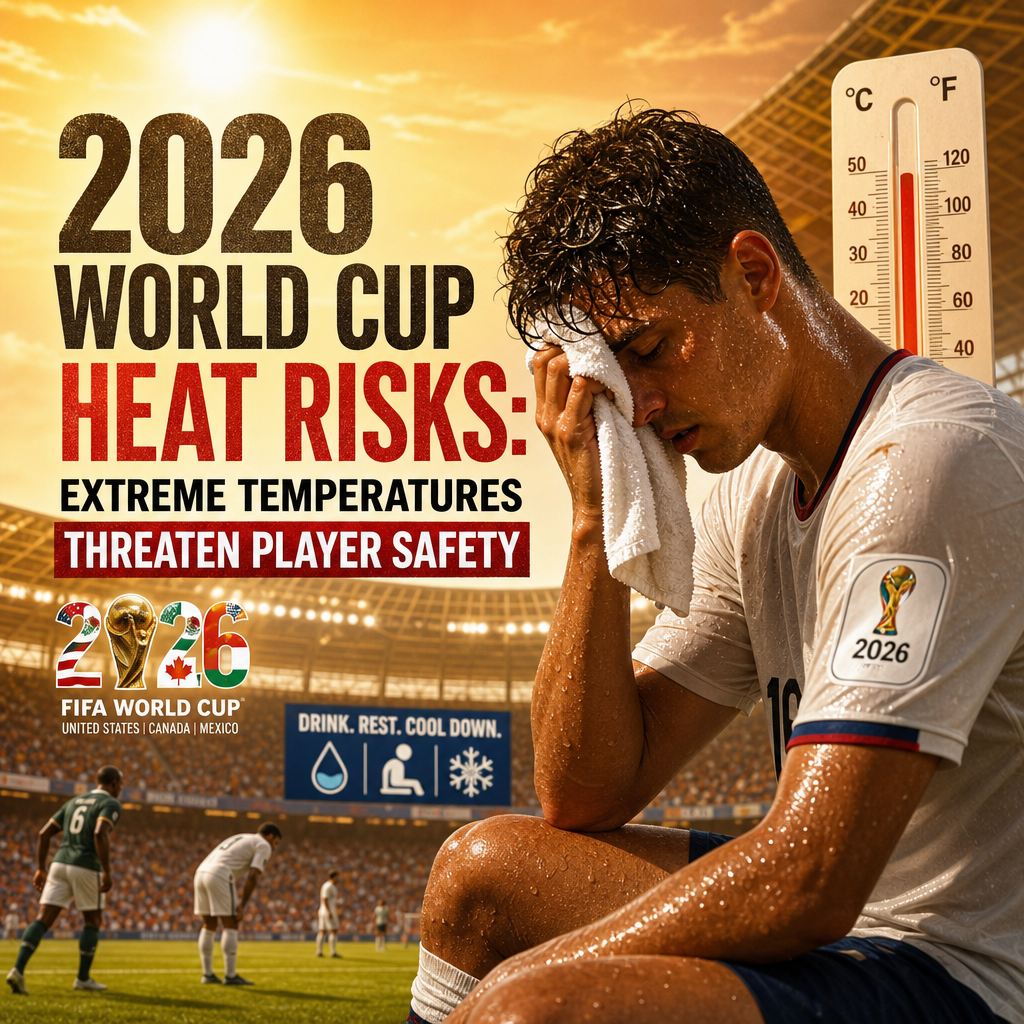
The 2026 World Cup, set to be hosted across the United States, Canada, and Mexico, promises an exciting spectacle of football talent, tactics, and intense competition. However, amid the anticipation, there is a formidable and often overlooked opponent waiting on the sidelines: extreme heat. This environmental challenge adds a new layer of complexity and danger for players, officials, and fans alike.
Dangerous Heat Levels Across Venues
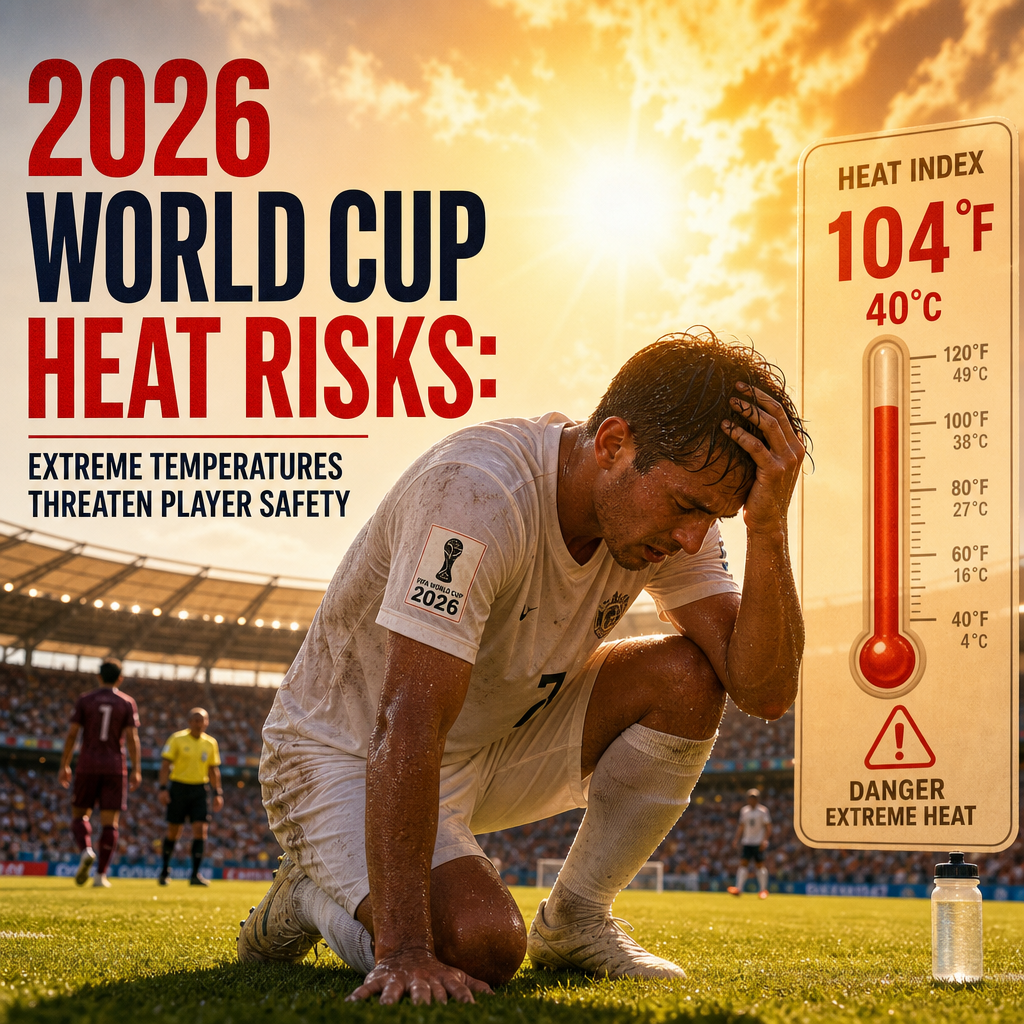
Researchers have issued warnings that 14 of the 16 venues chosen for the tournament will face dangerously high temperatures during the competition. The threshold for dangerous heat has been set at 28°C, a level at which athlete performance and spectator safety can be severely compromised. Alarmingly, four stadiums are expected to exceed even higher temperatures of 32°C, especially during the hottest afternoon hours.

One venue under special scrutiny is Kansas City, designated as the base for the England team, where temperatures are expected to climb near or above this critical level. In the southern United States and northern Mexico — two key regions for tournament matches — weather conditions could be even more extreme, with temperatures rising as high as 40°C.
Risks to Players, Officials, and Spectators
Extreme heat presents a triple threat during the World Cup.
- Players are at increased risk of heat exhaustion, dehydration, and heatstroke, which can lead to diminished performance and long-term health issues.
- Match officials, who must maintain focus and high physical exertion throughout the game, also face heightened dangers under punishing conditions.
- Spectators in stadiums with poor shade or cooling infrastructure may experience discomfort or more severe heat-related illnesses.
This dangerous combination prompted a group of world-leading scientists to issue an open letter to FIFA, the governing body of international football. They criticized the current heat safety measures as “inadequate” and called for more rigorous precautions to protect everyone involved.
FIFA’s Heat Management Strategies
In response to these warnings and concerns, FIFA is taking steps to mitigate the impact of extreme heat during the 2026 World Cup. Some of the key strategies include:
1. Adjusted Kick-Off Times
Matches may be scheduled later in the day to avoid the peak afternoon heat when temperatures are highest. Cooler evening kick-offs reduce the risk of heat-related illness and may improve playing conditions.
2. Covered Stadiums Providing Shade
Many of the stadiums feature roofs or partial covers designed to provide shade for spectators and players. This physical barrier against direct sunlight can significantly lower heat stress.
3. Hydration Breaks for Players
Officials will implement mandatory hydration breaks during games to allow players to rehydrate, cool down, and reduce the risk of heat stroke.
4. Cooling Systems in Select Stadiums
Cooling technologies such as air conditioning and misting systems will be installed in some venues to help moderate temperatures inside the stadiums. However, only three stadiums—Dallas, Houston, and Atlanta—are confirmed to have such cooling systems, which leaves concern about other locations.
Lessons from the 2025 Club World Cup Heatwave
The 2025 Club World Cup, held in similar climatic conditions, offered a glimpse of the challenges that extreme heat could pose in 2026. During the tournament, a heatwave caused significant distress among players and spectators, with multiple matches affected by hydration breaks and calls for cooler conditions.
This event has heightened fears that the 2026 World Cup could see even more severe issues if proactive measures are not sufficiently expanded and enforced.
Why the Heat Challenge is More Than Just Weather
The threat of extreme heat goes beyond physical discomfort. It impacts the quality of the tournament:
- Player performance: Heat affects stamina, decision-making, and injury risk, which could change the outcomes of games in unpredictable ways.
- Tournament scheduling: Weather-related delays or adjustments may disrupt the tight scheduling of matches.
- Fan experience: Spectators’ health and enjoyment are critical to the World Cup atmosphere. Excessive heat threatens both.
Conclusion: Preparing for the Hidden Opponent
The 2026 World Cup’s extreme heat challenge underscores the need for enhanced safety protocols and innovations. While tactics, talent, and mental toughness remain at the forefront of competition, overcoming the oppressive heat will be equally vital to success.
As the World Cup approaches, all eyes will be on the measures FIFA implements to safeguard the health of players, officials, and fans while preserving the spirit of this global event. Success in overcoming this formidable natural adversary could set a new standard for sports events in an increasingly warming world.