The Controversy Surrounding Hydration Breaks and Ticket Prices at the FIFA World Cup
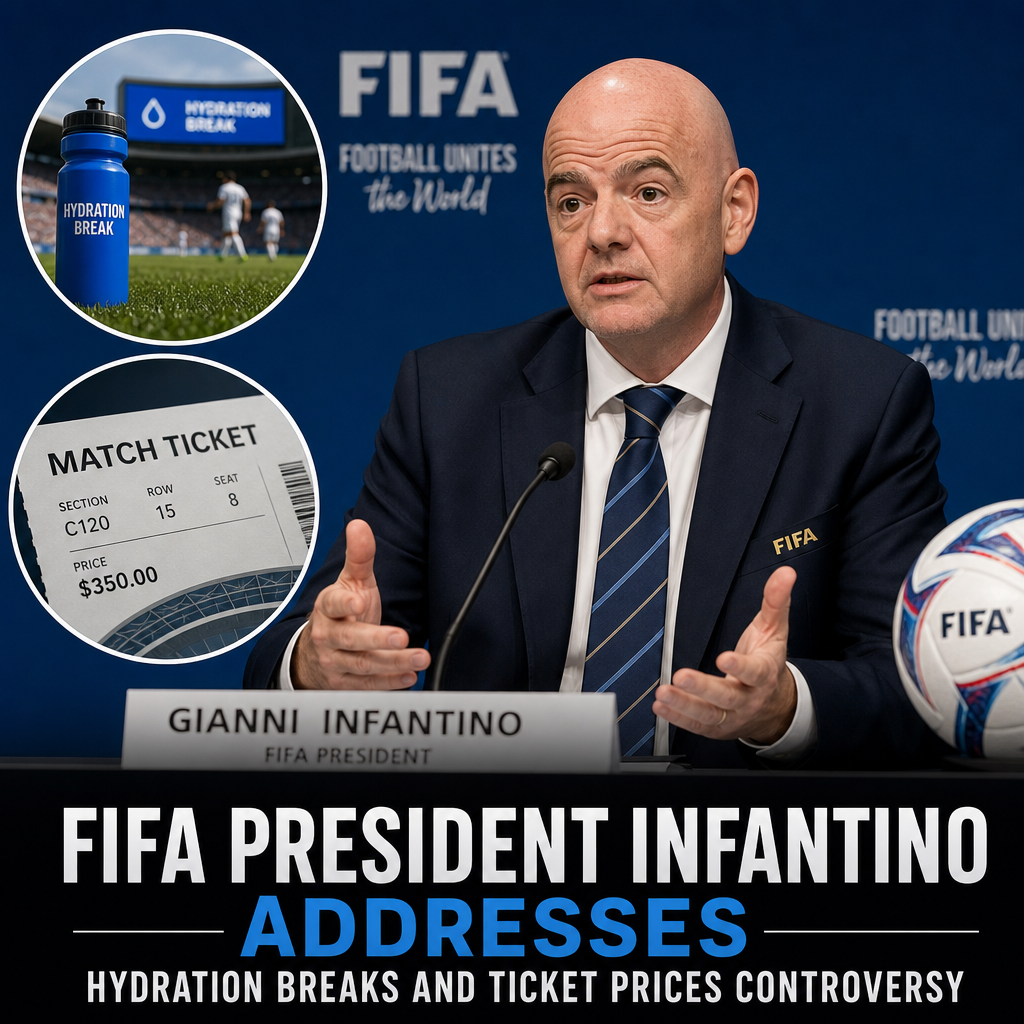
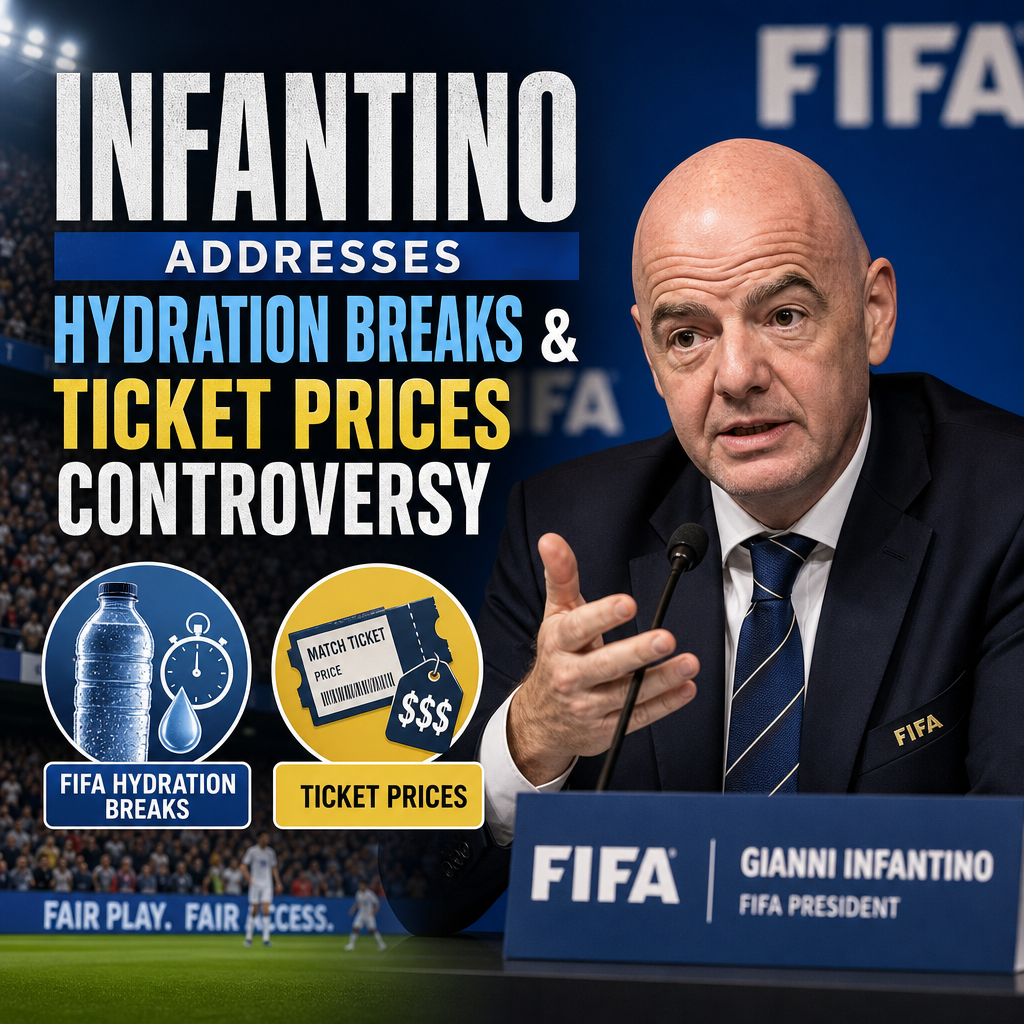
FIFA president Gianni Infantino has recently addressed some of the controversial topics that have emerged during the ongoing World Cup. Among these are the introduction of hydration breaks during each half of the matches and the high ticket prices for attending the tournament. Both issues have sparked widespread debate among fans, media, and stakeholders alike.
Hydration Breaks: A Practical Solution or a Cynical Move?
One of the most talked-about changes this World Cup has seen is the inclusion of hydration breaks during each half. These breaks were introduced ostensibly for players’ safety, particularly under hot conditions, allowing them to rehydrate and cool down. However, some critics have accused FIFA of using hydration breaks as a “cynical attempt” to benefit television partners by increasing the number of commercial breaks.

Gianni Infantino openly admitted that the hydration breaks sparked significant debate. He stated:
“This is a topic that sparks a lot of debate. After all, we don’t want to get everything perfect; we like to give everyone something to disagree with… no, joking aside.”
He explained the reasoning behind such breaks by citing the precedent set at the previous Club World Cup held in the USA. During that tournament, cooling breaks were implemented when temperatures became very high. Approximately 60 percent of matches featured these short breaks, while the remaining 40 percent did not have them due to cooler conditions. This uneven application led to complaints that all teams should face the same playing conditions to maintain fairness.
Infantino’s defense shows the complexity of balancing player welfare, fairness, and commercial interests in modern football.
Ticket Prices: Justified or Exorbitant?
Another contentious issue has been the high cost of tickets for the World Cup matches. Fans and commentators have questioned whether the ticket prices are justifiable, especially given the socio-economic diversity of football supporters globally.
Infantino addressed these concerns head-on:
“The stadiums are full; capacity utilisation is at 99.7% and it will likely reach 99.9% by the end.”
He clarified that specialists determined the ticket prices before the tournament began, emphasizing that they were carefully calculated. The primary goal was to set prices that the market could bear without undermining stadium attendance.
Infantino further noted an interesting development in the secondary market:
“Prices that some people claimed were too high are being resold on the secondary market —which is perfectly legal here — for four or five times the original cost.”
This indicates that demand exceeded supply and that the official pricing, while seemingly high, was lower than what many fans were willing to pay on resale platforms.
FIFA’s Financial Outlook from the World Cup
Beyond player health and ticketing controversies, Gianni Infantino also shared insight into the financial success FIFA expects to see from this 39-day event. The organization anticipates generating between 13 and 14 billion Swiss francs (approximately $16.08bn to $17.32bn).
Infantino commented:
“That is quite satisfactory.”
This impressive revenue underscores the enormous scale and global appeal of the World Cup. It also reflects the balance FIFA is trying to strike between commercial success and maintaining the sport’s integrity.
Conclusion
The introduction of hydration breaks and the debate around ticket prices highlight some of the challenges FIFA faces in organizing a massive sporting event such as the World Cup. While player safety is paramount, ensuring fairness for all teams and managing commercial interests creates complex situations that inevitably draw scrutiny.
Gianni Infantino’s candid remarks reveal that FIFA is aware of these controversies and continually assessing the impact of its decisions. As the tournament progresses, fans and analysts alike will watch to see how these issues influence the experience of one of the world’s biggest football events.