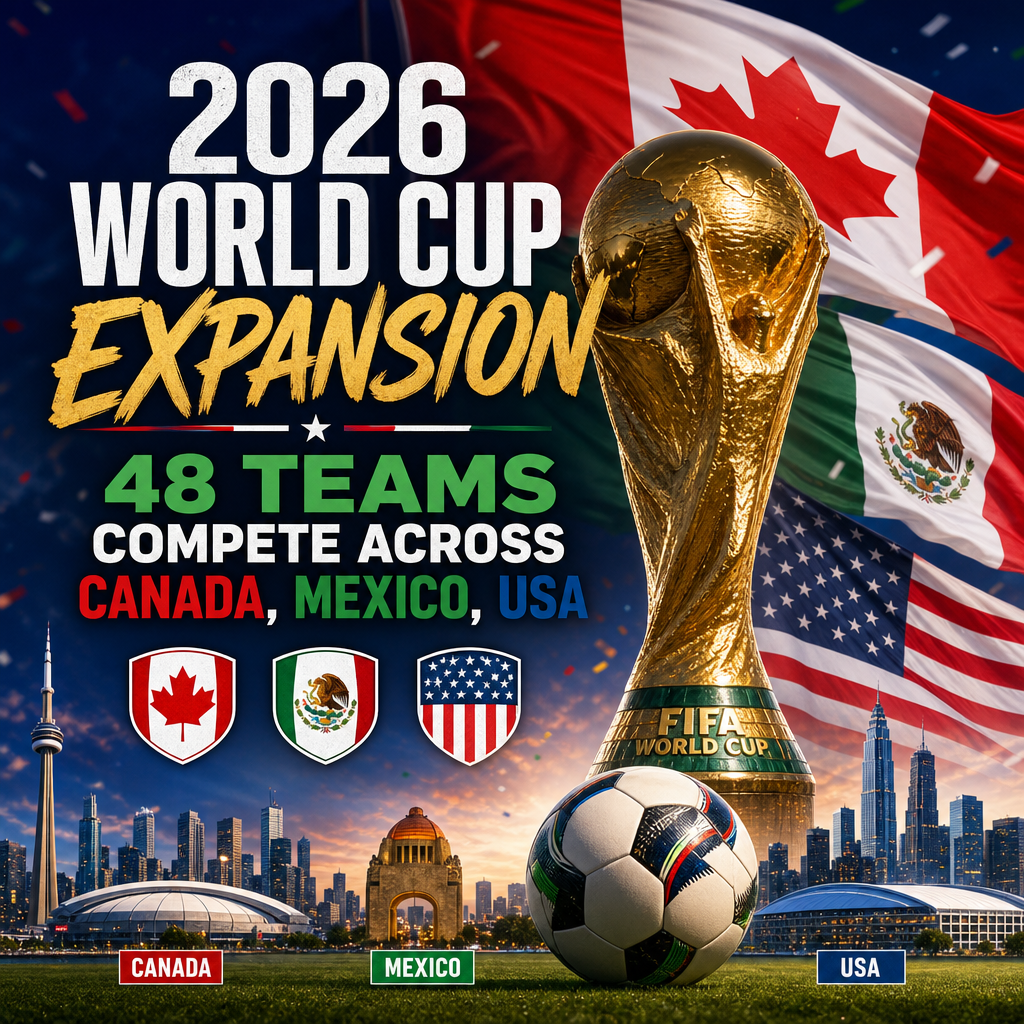
The 2026 World Cup: Embracing 48 Teams Across Three Nations
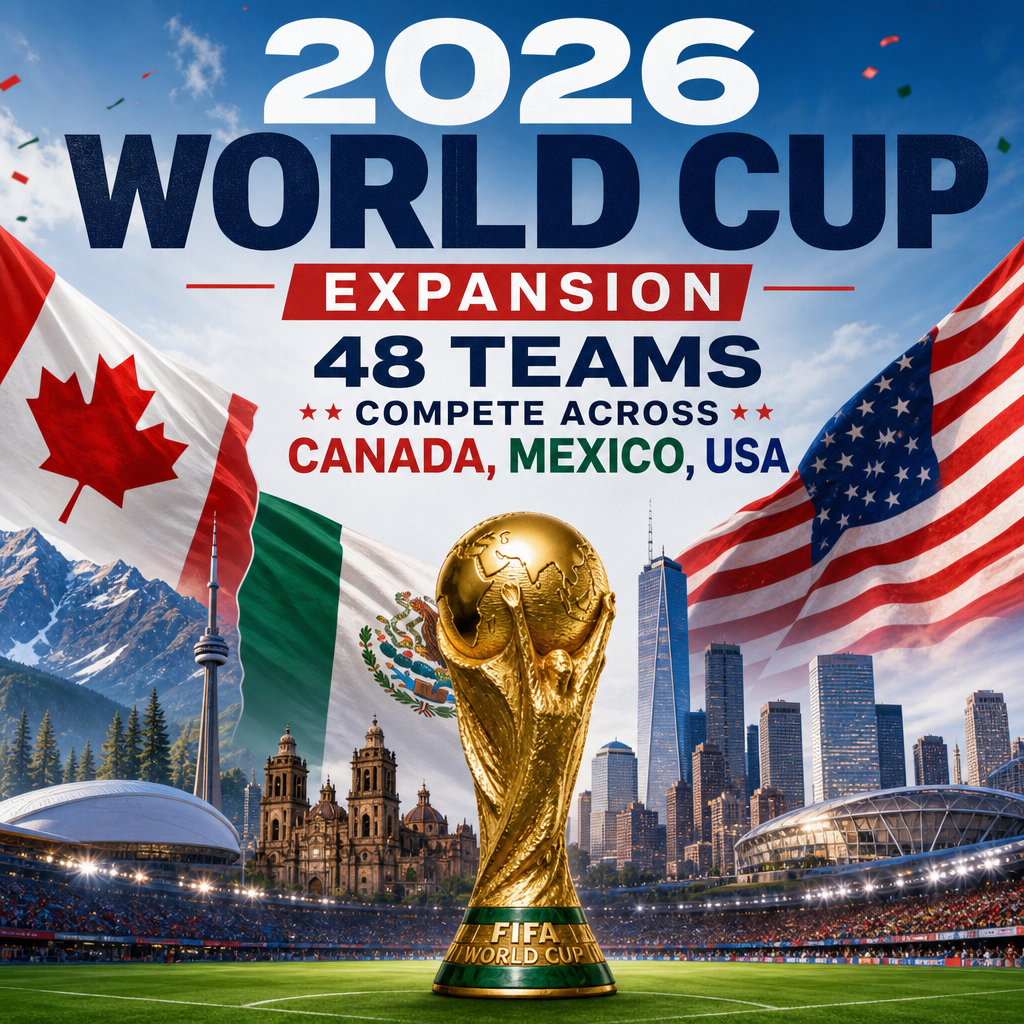
The 2026 FIFA World Cup, co-hosted by Canada, Mexico, and the United States, marks a significant milestone in the tournament’s history. For the first time ever, 48 teams are participating in the finals, up from the traditional 32. This expansion was initially met with heavy criticism, sparking debates about the quality and logistics of such a large tournament. However, since the kickoff on June 11, the controversy has died down, with many praising the diverse and competitive nature of the matches.
Understanding the Expansion to 48 Teams
FIFA President Gianni Infantino was a key proponent of the move to increase the number of participating teams. The last expansion occurred in 1998 when the tournament grew from 24 to 32 teams. Now, nearly three decades later, the World Cup is evolving further to include nearly 50% more participants.

Infantino expressed his vision clearly:
“When you want to organise a World Cup, you do it for the whole world — not just Europe and South America, but effectively the entire world. Every nation should be allowed to dream of participating in the World Cup.”
His argument reflects an inclusive approach, aiming to globalize the event beyond the traditional football powerhouses.
Why the Expansion Matters: Key Points
The decision to increase the field to 48 teams serves multiple purposes beyond simply adding more matches:
- Global Representation: Teams from every continent are present, showcasing football’s worldwide growth.
- Higher Competitive Quality: Smaller nations get the chance to compete, driving performance improvements.
- Stimulating Investment: Countries with emerging football cultures gain better incentives to develop their programs.
- Economic Boost: More teams mean more fan engagement, tourism, and commercial opportunities across the co-hosting countries.
Infantino summarized these benefits by noting the strong performances from teams across continents, especially highlighting Africa’s success.
Notable Success Stories So Far
One of the most praised outcomes has been how well the additional teams have performed. According to Infantino:
- Nine out of ten African teams reached the knockout stage, compared to only five in the previous tournament.
- Every continent managed to score goals and secure points, illustrating a higher, more balanced level of competition.
- Many smaller nations demonstrated remarkable skill and resilience, validating the decision to expand.
This progress highlights that the global football landscape is evolving, and the World Cup is reflecting that development.
Post-Tournament Reflection and Future Plans
While the 2026 tournament appears to be a success, FIFA plans to review and evaluate the impact fully after the World Cup concludes. Infantino stated:
“These are all issues that we will be examining after the World Cup.”
This introspection will likely influence future decisions regarding the size and format of the competition.
Looking Ahead to 2030 and Beyond
The 2030 World Cup is scheduled to be hosted jointly by Morocco, Portugal, and Spain, marking another historic multi-country event. Even more intriguing is the possibility of further expansion:
- FIFA President Infantino has suggested the World Cup could eventually grow to 64 teams.
- Discussions regarding this larger format are expected after the conclusion of the 2026 finals.
The 2034 tournament is set to take place in Saudi Arabia, continuing FIFA’s trend of spreading the tournament to new regions.
Conclusion
The introduction of 48 teams in the 2026 World Cup has, despite initial concerns, brought fresh energy and inclusivity to football’s biggest stage. It has opened doors for countries that previously had slim chances to participate, raising the level of competition globally. While the logistics have challenged organizers, the benefits in terms of diversity, talent discovery, and worldwide engagement appear to justify the expansion.
As we witness this new era of the World Cup unfold, the football community eagerly awaits FIFA’s analysis and potential further growth in the coming decades. The beautiful game is evolving, and the 2026 tournament is a landmark moment in that journey.