BREAKING: Gianni Infantino’s Controversial Proposal to Sell Part of FIFA to Private Investors
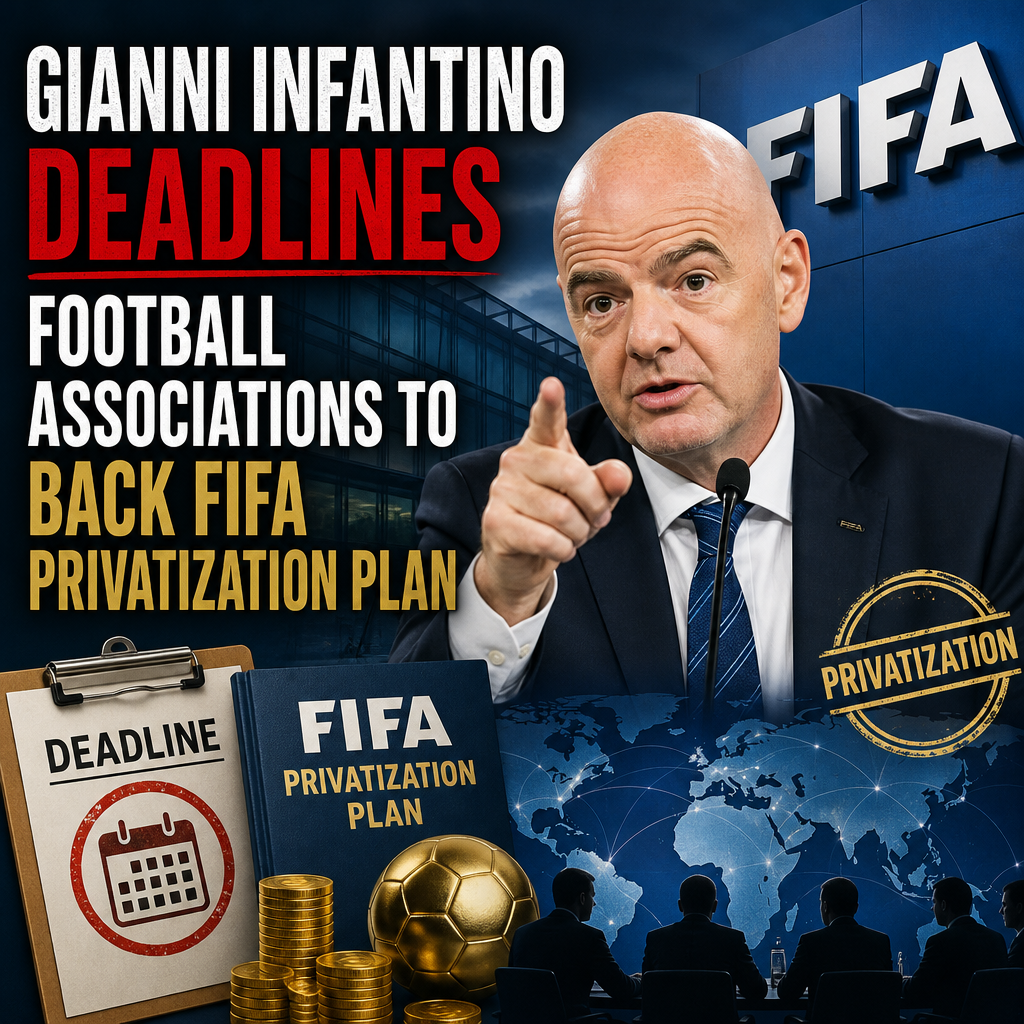
A recent letter from FIFA President Gianni Infantino has sent shockwaves through the global football community. According to the documents, Infantino has given football associations worldwide until 19th September to decide if they will support his bold plan to sell a portion of FIFA’s ownership to private investors. As a significant incentive, a $40 million reward awaits those football associations backing the deal.
What Is Infantino Proposing?
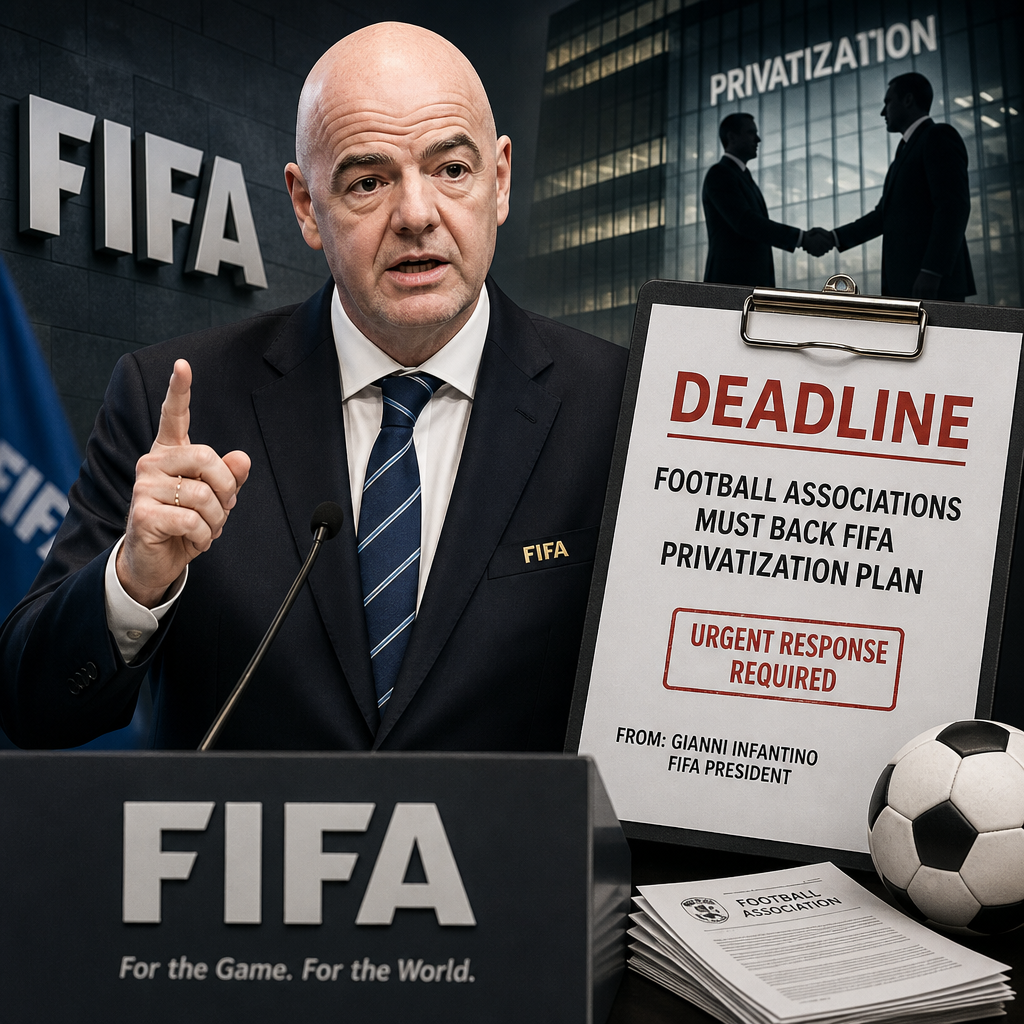
In an unprecedented move, Gianni Infantino aims to partially privatize FIFA by selling stakes to private investors. This shift would mark one of the most substantial ownership changes in world football’s governing body history.

The main elements of the proposal include:
- Selling an unspecified percentage of FIFA shares to private investors
- Providing financial incentives of $40 million to football associations that endorse the plan
- A deadline set for 19th September for replies from the associations globally
The letter invites all member associations to submit their vote on the matter, framing the plan as an opportunity to secure FIFA’s financial future and drive growth across global football ecosystems.
Why Is This Plan Controversial?
Infantino’s proposal to sell part of FIFA to private investors has ignited heated debates given the traditionally non-profit and member-driven nature of FIFA’s governance.
Key Concerns Raised
- Loss of Control: Member associations fear losing influence over FIFA’s decision-making as private investors could prioritize profit over the sport’s integrity.
- Transparency and Governance: Questions arise about how these investors would impact FIFA’s governance structure and accountability mechanisms.
- Commercialization of Football: Critics warn that increased private ownership could accelerate commercial interests at the expense of football cultures and smaller associations.
- Ethical Implications: Given FIFA’s history of corruption scandals, handing over ownership to private entities raises concerns about transparency and fair play.
What Is At Stake for Football Associations?
Football associations are caught at the crossroads of a major decision that could redefine their relationship with FIFA.
Pros of Backing the Plan
- Immediate Financial Incentive: $40 million represents a significant injection of funds for many associations needing development aid and infrastructure investment.
- Potential for Growth: Access to greater capital might enable FIFA to expand its competitions and support grassroots initiatives more robustly.
- Modernization Opportunity: The proposal could modernize FIFA’s business model, aligning it with global sports commercialization trends.
Cons of Backing the Plan
- Risk of Losing Autonomy: Associations risk becoming secondary stakeholders with diminished voice and power within FIFA.
- Future Unknowns: The long-term impact of introducing private investors remains murky, potentially destabilizing traditional FIFA structures.
- Possibility of Increased Inequality: Wealthier investors may prioritize investments in high-profile markets, sidelining smaller or less affluent football nations.
How Are Football Associations Responding?
Reactions from football associations have been mixed and cautious. While some smaller and financially constrained associations are tempted by the $40 million incentive, many established associations and confederations have expressed skepticism or outright opposition.
Key themes in feedback so far:
- Calls for transparency on how investor funds will be used
- Demands for guarantees protecting member voting rights and governance roles
- Requests for detailed risk assessments of partial privatization
- Concerns over the tight deadline limiting thorough consultation
What Happens Next?
The deadline of 19th September is fast approaching. Following this, FIFA is expected to announce the collective decision of the football associations and outline next steps regarding the shareholder sale process.
Potential Outcomes
- Majority Approval: FIFA moves ahead with the sale, reshaping football governance and financial models.
- Majority Rejection: The plan is shelved or significantly revised, maintaining FIFA’s current structure.
- Mixed Vote: FIFA may seek hybrid models or further negotiations with associations and stakeholders.
Conclusion
Gianni Infantino’s plan to sell part of FIFA to private investors represents a watershed moment for football governance. Associations worldwide now face a critical choice—accepting a lucrative $40 million incentive and embracing privatization or upholding FIFA’s traditional member-driven ethos. The decision before the 19th September deadline will substantially influence football’s future on and off the pitch.
Football fans, players, and stakeholders should watch closely as this story unfolds, marking one of the most defining moments in the sport’s global administration.