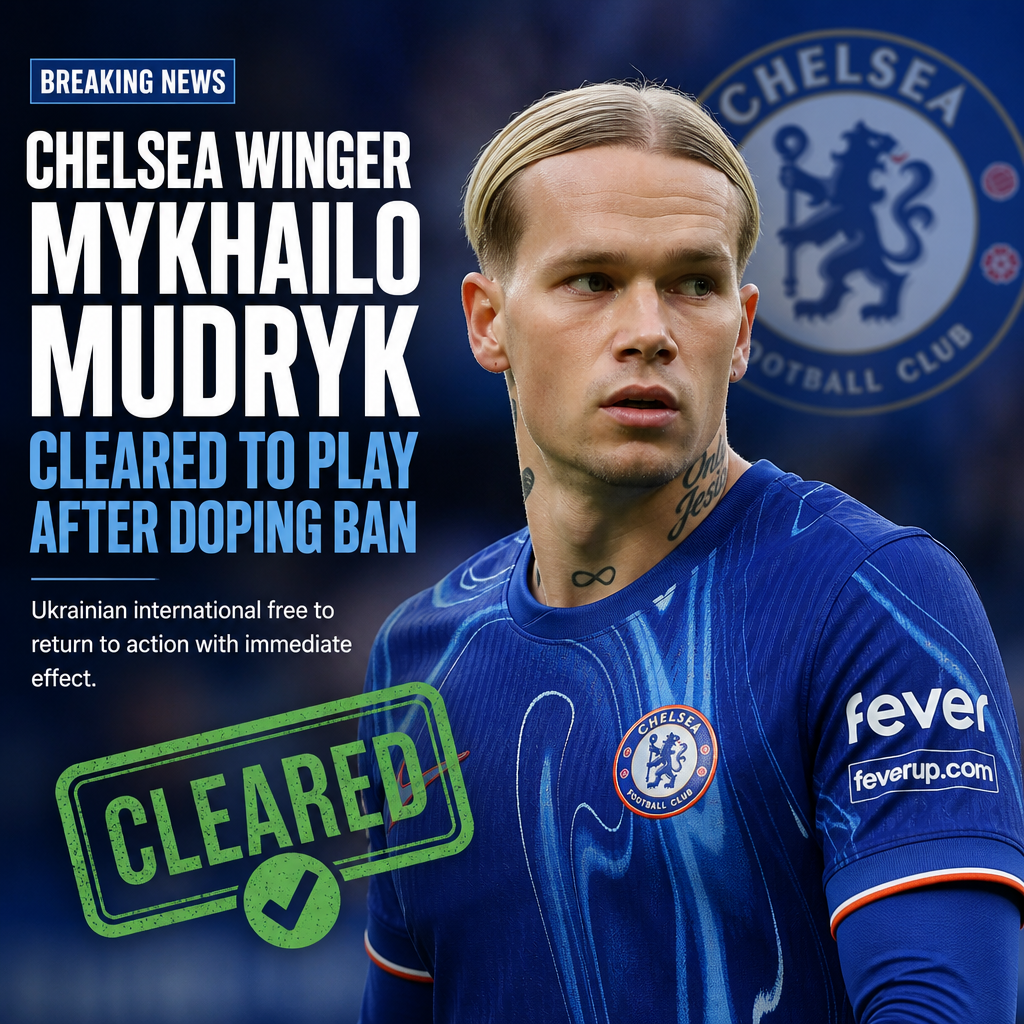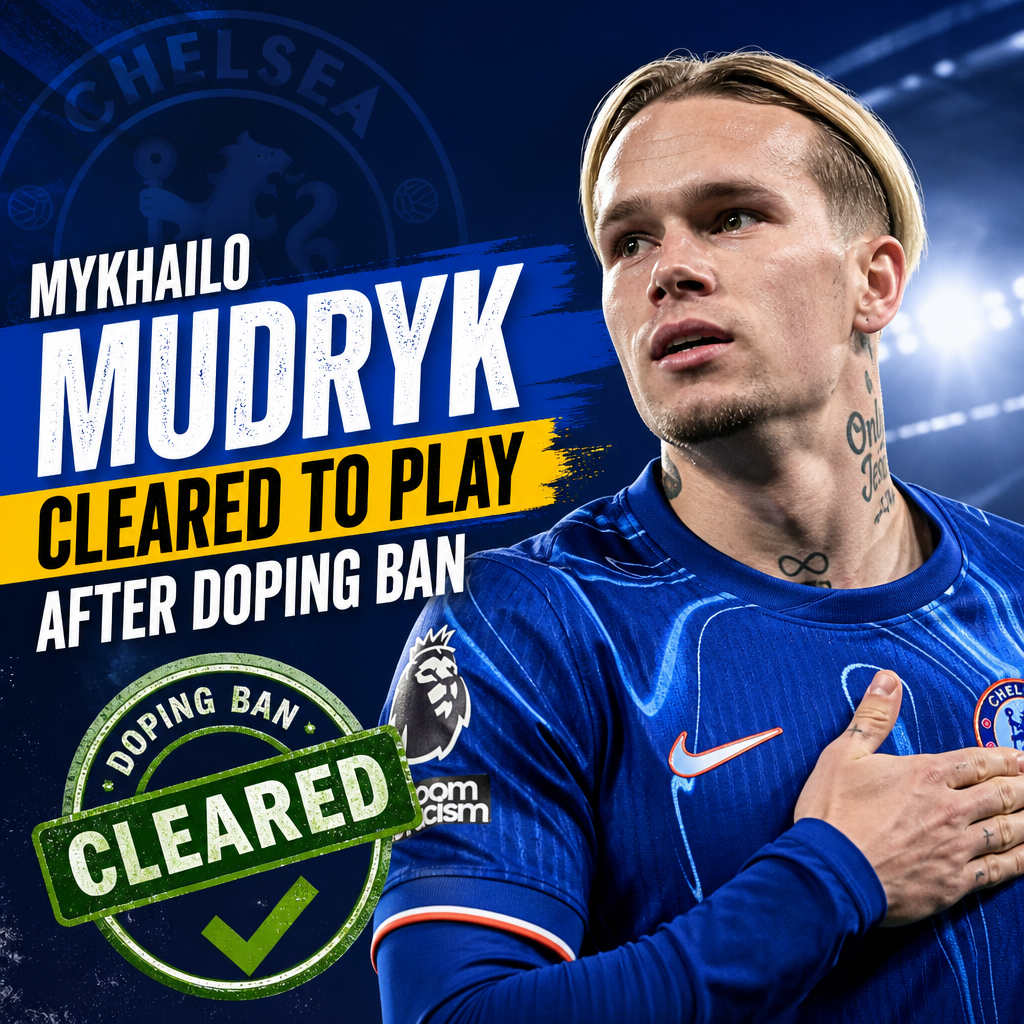
Background of the Doping Ban
Mudryk’s suspension came after a failed drug test which detected a low concentration of meldonium, a substance banned by anti-doping authorities. The positive test was linked to a sample collected two years ago, sparking a prolonged investigation and disciplinary process. – Substance involved: Meldonium – Length of ban: Four years – Date of suspension: Since November 2024 – Testing body: Football Association (FA) and WADA standards Meldonium is a performance-enhancing drug often monitored due to its ability to boost endurance and recovery. However, the case involving Mudryk took a new turn amidst evolving anti-doping regulations.
Appeal to the Court of Arbitration for Sport (CAS)
In response to the suspension, Mudryk appealed to CAS, the highest authority for sporting disputes. The appeal argued that the doping charge was based on outdated thresholds for meldonium concentrations. Since the testing date, WADA has revised its procedural approach, especially concerning meldonium detection limits.
Changes in WADA Procedures Impact the Case
A pivotal aspect of Mudryk’s case was the change in WADA rules after his sample was collected. These changes mean that the same test today would not have led to a doping violation. The FA clarified the situation, stating: > “Changes have been made… which, while not retroactive, mean that if Mr Mudryk’s sample was collected today, the concentration of meldonium in the sample would not have been reported and no anti-doping rule violations would have resulted.” This official clarification underscores how evolving scientific understanding and testing protocols impacted the outcome of the Mudryk case.

What This Means for Mudryk’s Career
With his doping ban resolved, Mykhailo Mudryk is now eligible to return to competitive football. This development is a huge relief for both the player and Chelsea, who have been without one of their key attacking options for nearly a year.
Potential Impacts Include:
– Return to Premier League action: Mudryk can resume playing for Chelsea immediately. – Rehabilitation and regaining form: After a long absence, Mudryk will focus on physical and tactical preparation to reach his peak performance. – Boost to Chelsea’s attacking options: Mudryk’s pace and creativity on the wing are valuable assets for Chelsea’s ambitions. – Restored reputation: Clearing of the doping charge helps to reaffirm Mudryk’s standing in football.
The Wider Context of Anti-Doping in Football
Mudryk’s case highlights the complexity and evolving nature of anti-doping regulations in the sport. The following points are relevant for players and clubs: – Anti-doping rules continually evolve as science advances. – Testing thresholds can change, sometimes affecting the validity of past results. – Players have the right to appeal decisions to bodies like CAS. – Transparency and fairness in doping cases remain crucial for players’ careers and the integrity of the sport.
Conclusion
Mykhailo Mudryk’s clearance to return marks an important moment for both the player and Chelsea Football Club. Having served almost a year away from the pitch due to a doping suspension linked to meldonium, Mudryk’s situation changed dramatically due to amendments in global anti-doping policies and a successful CAS appeal. As he steps back onto the field, all eyes will be on his comeback and contributions to Chelsea’s success in the 2025 season. —