John Obi Mikel on Roman Abramovich, Family Ordeals, and Solidarity with Luis Diaz
John Obi Mikel, the former Chelsea midfielder, has recently opened up about his experiences both on and off the pitch, casting light on his relationship with the club’s legendary former owner Roman Abramovich, the harrowing family ordeals he endured, and his heartfelt support for Liverpool’s Luis Diaz amid similar struggles.
Roman Abramovich: An Amazing Owner Involved in Big Moments
Mikel spent nearly eleven years at Chelsea, joining the club in 2006 from Norwegian side Lyn, and becoming a key figure through a highly successful era under Abramovich’s ownership. Despite Abramovich’s reputation as a demanding and sometimes enigmatic figure, Mikel describes him as an “amazing owner.”

Though Abramovich was not at the club every day, he was intimately involved with the team’s progress and always showed up for the biggest matches, especially Champions League games. Mikel recalls:
“He would always come into the dressing room after the game, whether we win or lose. It was just: ‘I know you guys did your best but next time we have to win.’ He always wanted to win games. Great owner.”
This dedication to high standards and direct involvement created a culture of excellence that propelled Chelsea to multiple Premier League titles and their first-ever Champions League triumph during Mikel’s time.
Mikel also humorously notes the trademark sign of managerial changes at Stamford Bridge:
“The only thing with him is that when you see the helicopters flying around the training ground, you know that the manager’s going to be sacked.”
The Kidnapping Ordeals: Silence, Strength, and Support
Off the field, Mikel faced intense personal challenges. His father was kidnapped twice in Nigeria, once in 2011 and again during the 2018 FIFA World Cup — just hours before the crucial group stage match between Nigeria and Argentina.
Mikel recounts the emotional weight of the situation:
- First Kidnapping (2011): His father was held captive for 10 days, and Mikel was forced to communicate and negotiate with kidnappers, eventually paying a ransom for his release.
- Second Kidnapping (2018 World Cup): Two hours before Nigeria’s must-win clash against Lionel Messi’s Argentina, Mikel received a call informing him that his father had been kidnapped again. The pressure was immense, but he chose to keep quiet and focus on the game.
Although Nigeria lost 2-1 after a late goal by Marcos Rojo, Mikel finally confided in his teammates and coaching staff post-match. The reaction was deeply emotional — some players and the manager were close to tears, upset that Mikel hadn’t shared his burden earlier.
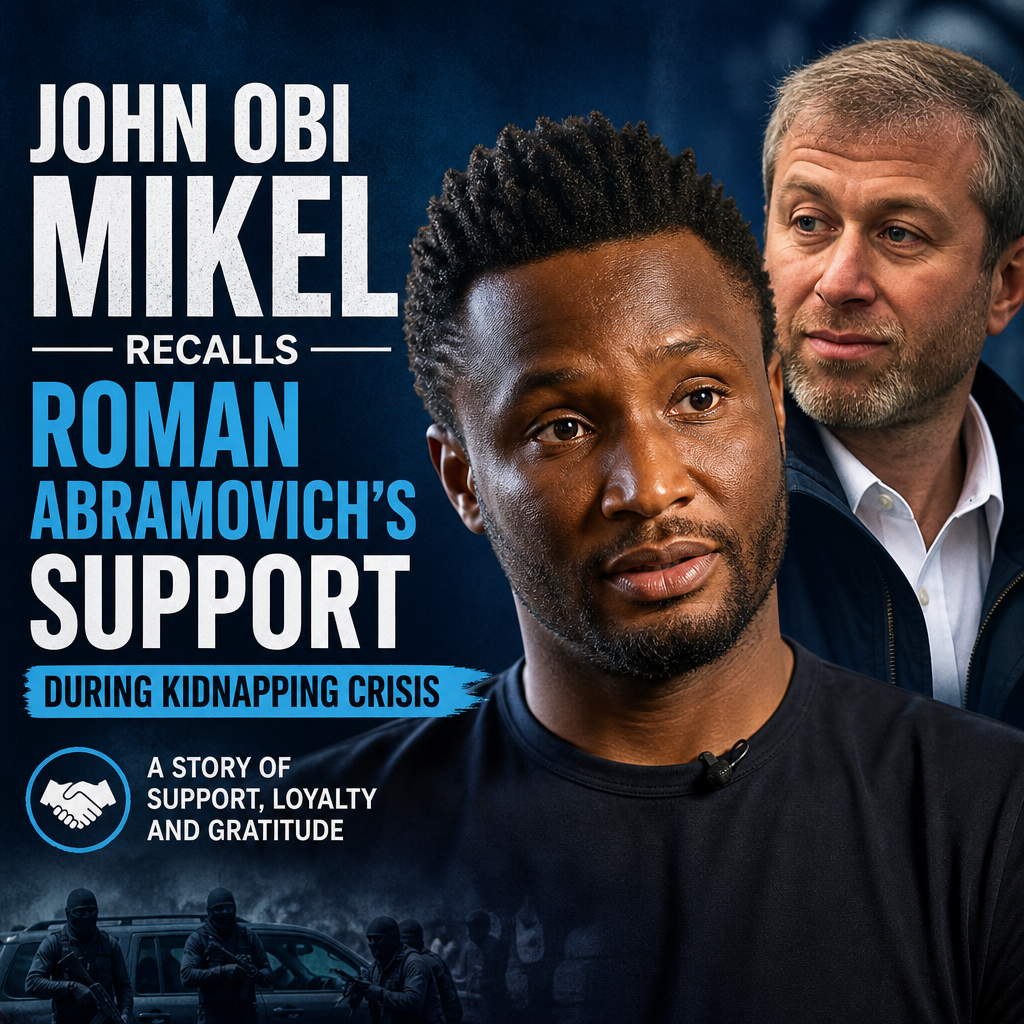
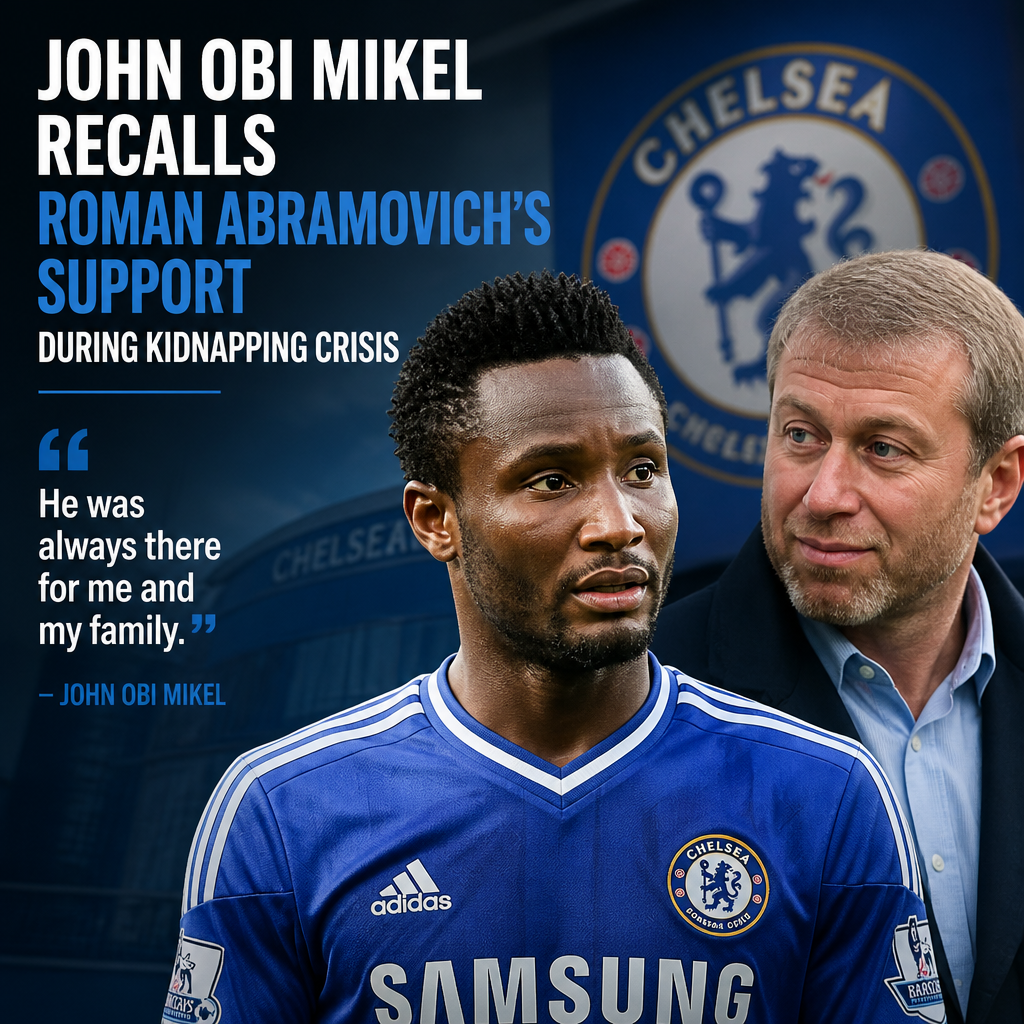
Chelsea’s support during this dark time was unwavering. Mikel highlights how Abramovich personally offered assistance:
“Roman said, ‘Do you want me to send people over? Because I know if I send people over, I can get your dad out.’ I was like, how are you going to do this? He said, ‘Don’t worry about that. Just let me, if you want that option, I can do it.’”
This powerful gesture of support illustrates the bond between player and owner that went beyond football.
Lending Support to Luis Diaz Amidst Similar Hardships
In a poignant connection to the present day, Mikel has offered his support to Liverpool winger Luis Diaz, whose parents were recently kidnapped in Colombia.
- Diaz’s mother was rescued, but his father remains in captivity, reportedly by the guerrilla group National Liberation Army (ELN).
- Diaz returned to Premier League action, scoring a dramatic equalizer against Luton Town and displaying a message calling for his father’s release.
Having endured similar trauma himself, Mikel empathizes deeply with Diaz’s situation. Speaking on the matter, he said:
“I know exactly what you’re going through and I hope he stays strong. It’s a tough time for him as a player. I know what his family is going through. My message to him is stay strong and do all you can to make sure that your dad is released.”
Mikel’s words serve as both encouragement and a reminder of the personal battles many athletes face beyond their professional lives.
Conclusion
John Obi Mikel’s reflections reveal the complexities behind his career and personal life — a story marked by his strong ties with Roman Abramovich, bravery amid family crises, and compassion for others facing similar challenges. His experiences highlight the humanity behind the headlines and the solidarity within the football community in times of hardship.