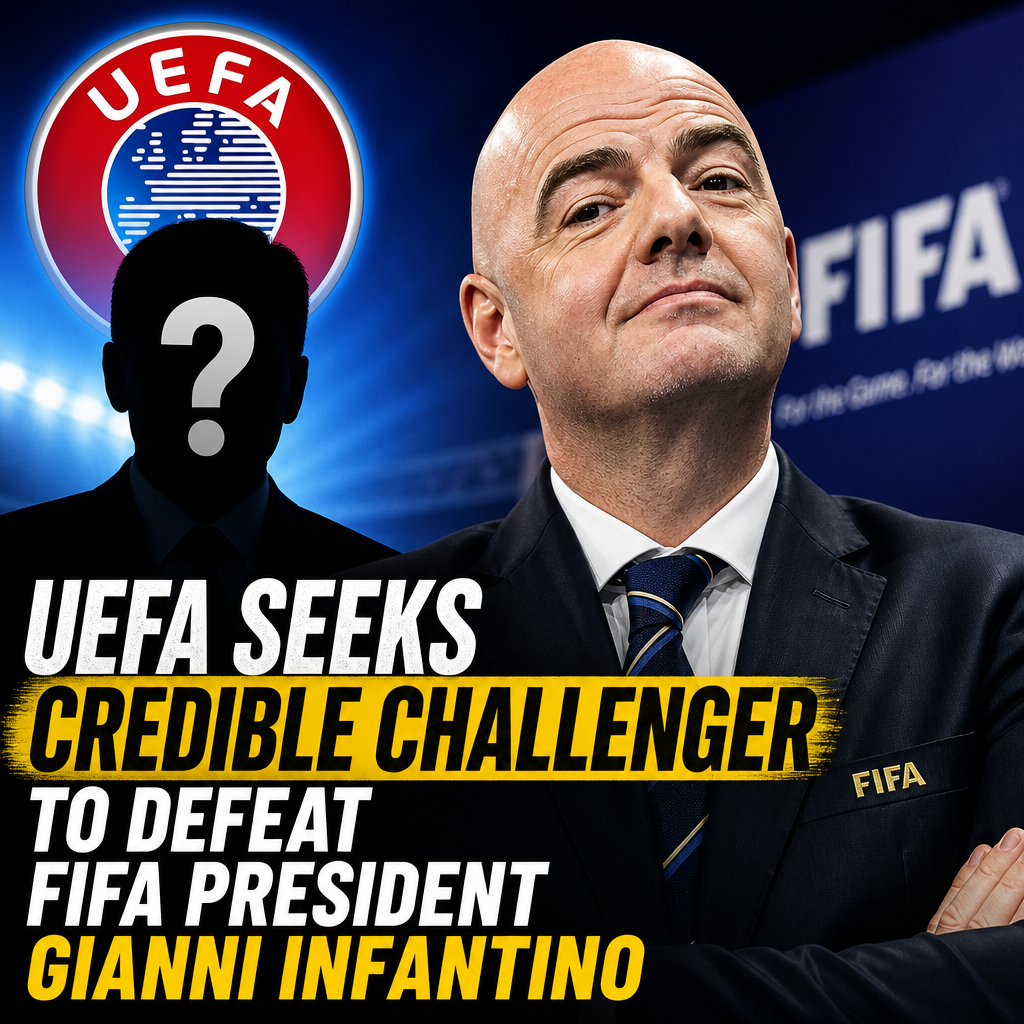
UEFA’s Mission to Challenge FIFA President Gianni Infantino
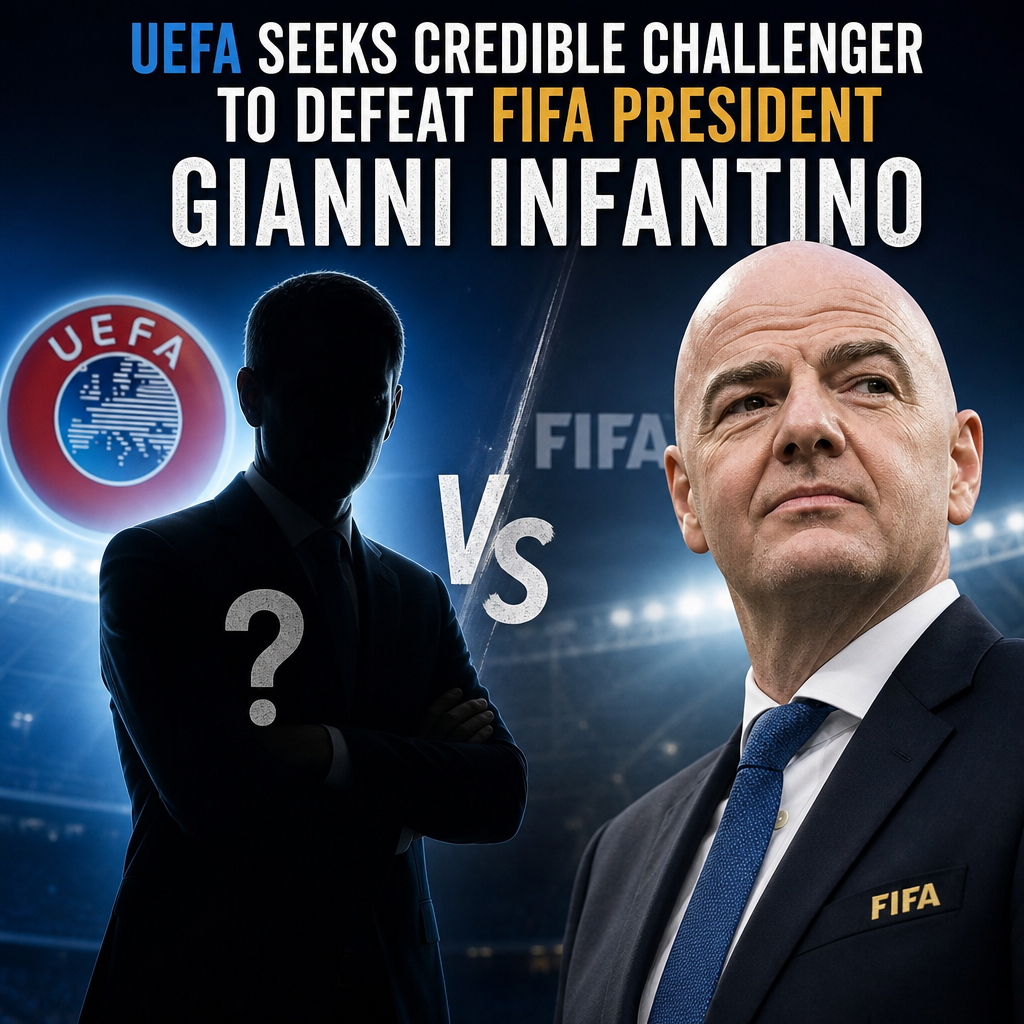
UEFA remains firmly on course to find a credible challenger to FIFA president Gianni Infantino as the March 2025 election approaches. Laura McAllister, UEFA vice-president, reaffirmed on Wednesday that the organization is committed to pursuing meaningful change and has no intention of allowing its campaign for reform to dissolve into mere wishful thinking.
A Focus Beyond European Nationality
In remarks given during the World Football Summit in Madrid, McAllister emphasized that the candidate UEFA supports need not be European. The key qualities sought in the challenger are the ability to defeat Infantino, unite football’s confederations, and push forward lasting governance reform within FIFA.

This approach signals a broader strategic vision. UEFA’s campaign is not just about opposing Infantino for the sake of it, nor about promoting a European figurehead to lead a rebellion. Instead, it focuses on identifying a candidate with a clear reform program capable of ushering in modernization across the global football stage.
Overcoming Resistance to Change
Despite Infantino appearing to retain enough backing for another term, McAllister dismissed suggestions that opposition efforts have lost momentum. She pointed out that the change process would be gradual, acknowledging that expecting instant transformation would be naive.
“We always knew that things wouldn’t just change overnight. We knew that there would be resistance to change as well, of course,” she said.
The campaign is progressing “step by step,” combining legal measures and political efforts to provide an alternative candidate who represents genuine governance reform.
Unity Among UEFA Nations and Global Confederations
UEFA’s Executive Committee met recently in Thessaloniki, reiterating the union’s collective will to reform FIFA’s governance. Several UEFA member nations have withdrawn their support for Infantino’s re-election bid, including Greece—the latest to do so.
McAllister highlighted that UEFA and other confederations are “united and very concerted” in pushing for better governance:
- UEFA
- Asian Football Confederation
- CONCACAF
All have voiced strong calls for change at FIFA’s helm.
Importantly, UEFA sees the campaign as transcending any individual leader, emphasizing the need for system-wide reform. This broader goal aligns with concerns shared across multiple confederations wanting a more modern, transparent, and accountable FIFA.
The Fallout from Infantino’s Controversial Proposals
Infantino, who has held the presidency since 2016, faced his greatest challenge following the collapse of his proposed plan to sell a stake of up to 20% in FIFA competitions—including the flagship FIFA World Cup—to private investors.
This controversial proposal triggered fierce opposition from UEFA, other confederations, and many national football associations. The backlash underscored deep mistrust in Infantino’s leadership and amplified calls for new governance perspectives.
The Path Ahead: Finding a Reform-Minded Candidate
According to McAllister, UEFA has been working quietly but diligently behind the scenes to build a robust reform platform. She stressed that the contents of this reform program matter far more than the identity or nationality of the candidate that eventually emerges.
Specifically, UEFA’s strategy involves:
- Identifying a unifying candidate acceptable to all confederations
- Centering the campaign around a clear manifesto of reform and modernization
- Leveraging multiple tactics and fronts to achieve progressive change
McAllister highlighted the importance of the candidate standing on a solid manifesto offering transparency, good governance, and progress:
“I feel very reassured that we’re on track to find a candidate that can unite all of the confederations because it’s not just UEFA; all of the confederations feel strongly about the need for change,” she added.
Conclusion
UEFA’s continued push to find a credible challenger to Gianni Infantino underscores a significant moment in global football governance. The focus remains on championing reform, not nationality, and overcoming resistance through patience, unity, and determination.
With the FIFA presidential election scheduled for March 2025, the coming months will be critical. UEFA’s unwavering dedication to finding a reform-minded candidate signals a serious intent to transform FIFA’s leadership and, ultimately, the future of the sport worldwide.