The Controversy Surrounding Heimir Hallgrímsson’s Comments on the Israel Football Matches
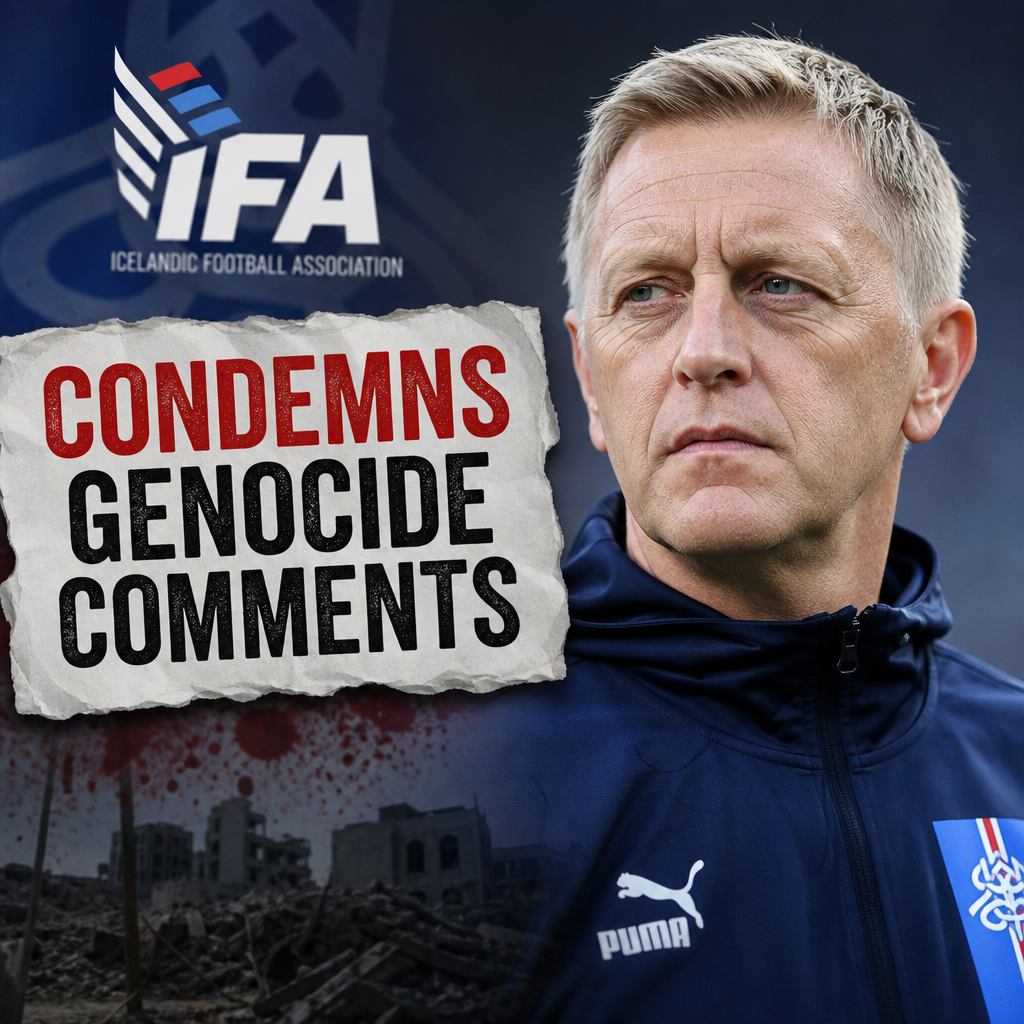
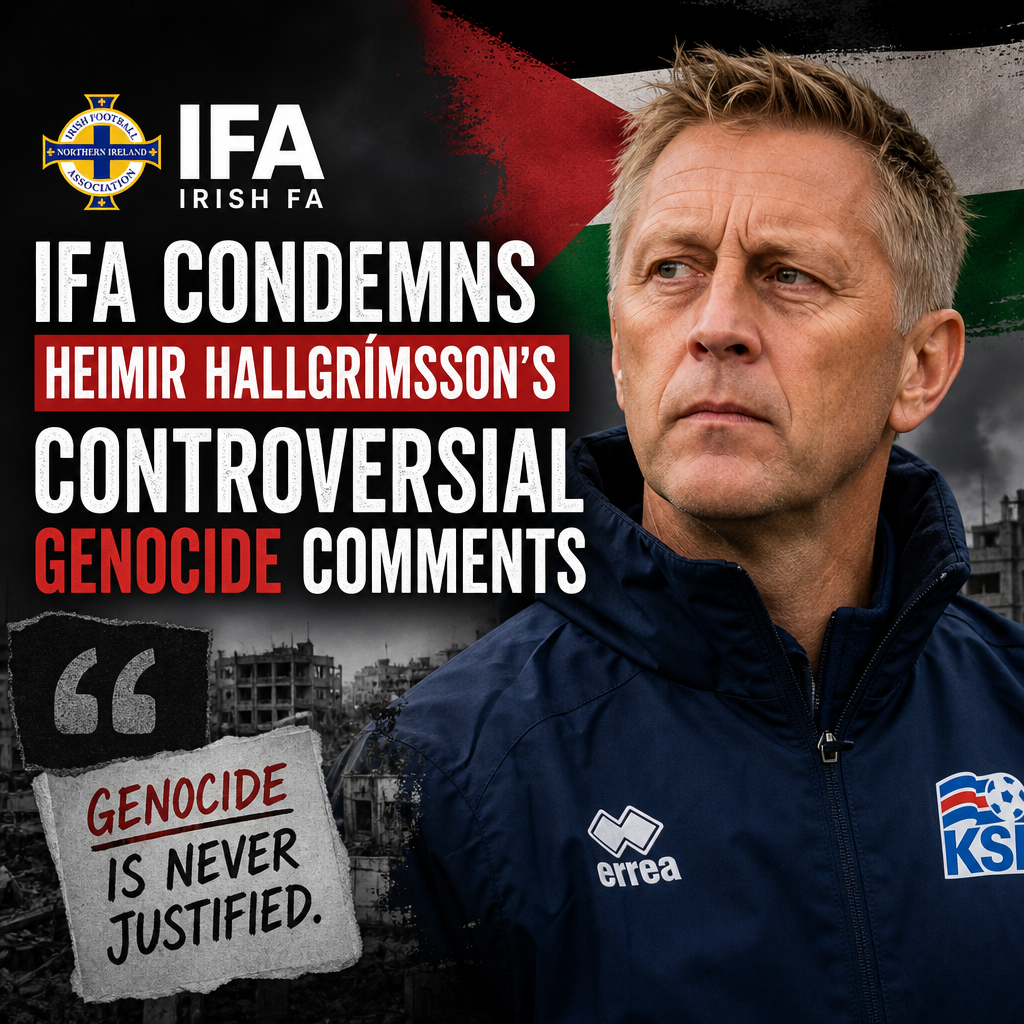
In the world of international football, rarely do comments from a manager spark such a heated reaction as those made recently by Heimir Hallgrímsson, the manager of the Republic of Ireland national team. His remarks regarding Ireland’s scheduled fixtures against Israel have ignited widespread condemnation and intense debate — especially from the Israel Football Association (IFA).
The Manager’s Comments that Sparked Outrage
At a press conference ahead of Ireland’s upcoming matches against Israel, Heimir Hallgrímsson stated that his team was “not playing with genocide, we are playing against genocide… playing against Israel.” This pointed comment was widely interpreted as a statement linking the Israeli state to ongoing genocide-like conditions, an extremely charged accusation in the volatile geopolitical context.
The comment quickly drew sharp rebukes from various quarters and prompted a highly publicized social media clash with the IFA.
Israel Football Association’s Response
The Israel Football Association was swift and direct in its condemnation. Responding on X (formerly known as Twitter), the IFA posted:
“We have contributed to the world and humanity in countless fields, earning an impressive number of Nobel Prizes along the way. Unfortunately, we have not yet found a cure for stupidity, ignorance, and hypocrisy displayed by @IrelandFootball team coach.”
The use of such harsh language showcased the level of offense taken by the IFA. The statement highlighted pride in Israel’s global contributions while dismissing Hallgrímsson’s remarks as ignorant and inappropriate, emphasizing the sensitivity surrounding political statements in the sports environment.
The Open Letter and Wider Sporting Community Reaction
The controversy expanded beyond official statements when over 160 Irish sportspeople signed an open letter organized by the Irish Sport for Palestine Group. This letter urged the Republic of Ireland national team to boycott the scheduled matches against Israel, reflecting the views of those arguing that participation would effectively condone the political situation.
This call to boycott injected a larger political dimension into the footballing debate — one that involves ethical considerations about engagement in sport versus political protest.
The Football Association of Ireland’s Firm Stance
Amid rising pressure from political figures, sports activists, and internal debate within the Football Association of Ireland (FAI), a key decision was made. In an assembly vote, the FAI resolved to fulfill its fixture obligations against Israel.
Despite recognizing the controversy, the FAI emphasized the potential long-term damage that canceling or boycotting these matches could cause to Irish football’s development. They argued maintaining sports commitments was crucial to safeguard the future prospects of the national team and its players.
What Can Be Learned from This Controversy?
This incident highlights several important points about modern sports management and the intersection of politics and football:
- Role of a Football Manager: A manager’s primary role is to lead and focus on football — tactics, team morale, and performance. Making politically charged comments can risk backlash and distract from sporting objectives.
- Political Sensitivity in Sports: Football, as a global sport, often intersects with complex political issues. While sport can be a platform for raising awareness, it can also inflame tensions when not carefully navigated.
- Balancing Ethics and Obligations: Sporting bodies face tough decisions balancing political and ethical concerns with contractual and developmental obligations.
Final Thoughts on Hallgrímsson’s Comments
The hostile reaction from the Israel Football Association and the polarized response in Ireland underscore just how controversial Hallgrímsson’s comments were. Many believe he should have strictly focused on his job as football manager rather than entering a fraught political debate on an international stage.
Whether or not one agrees with his views, this episode is a reminder that football managers, as public figures, walk a fine line between sports leadership and public commentary — and that sometimes, silence or diplomacy might serve their team better.
P.S.Verdict:
Mr.Hallgrímsson is Football manager.
He isn’t a politician.
So do your fucking job as a Football manager !