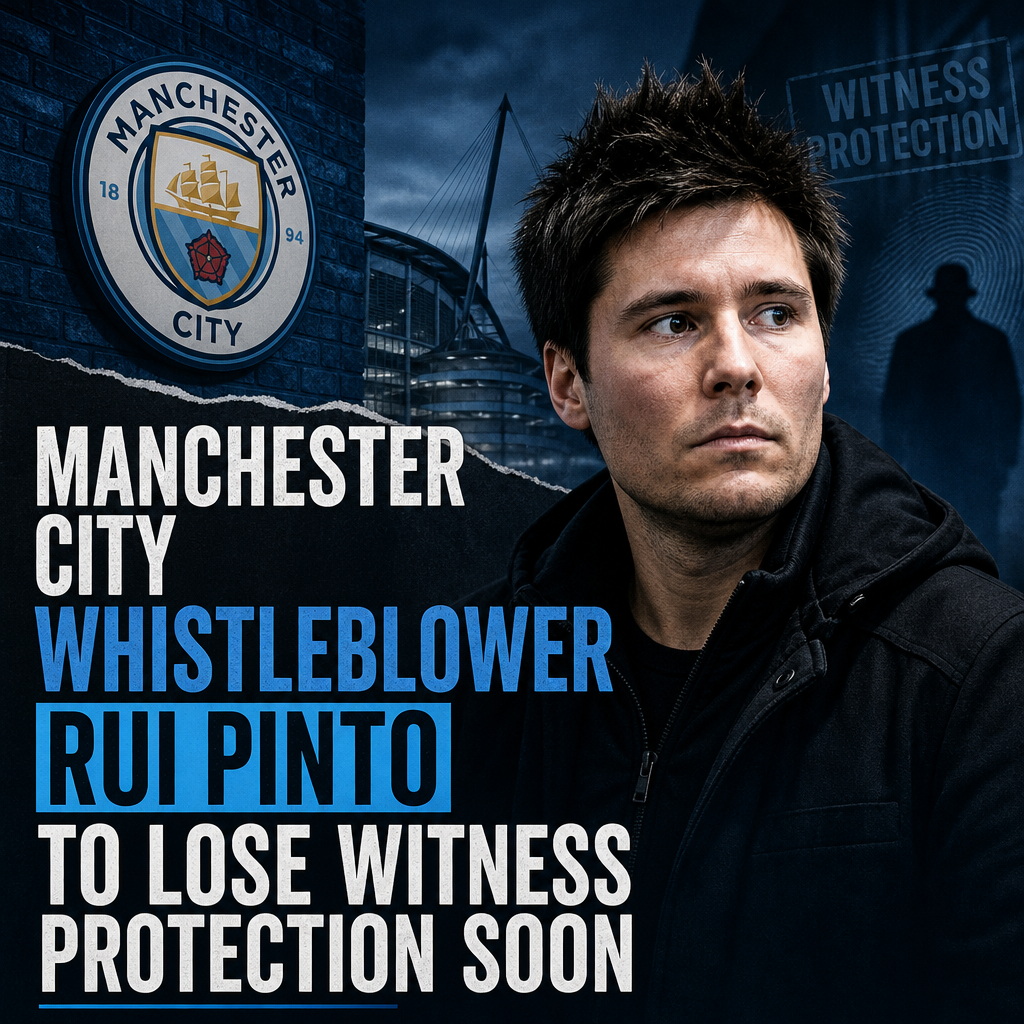
Manchester City Whistleblower Rui Pinto Set to Lose Witness Protection
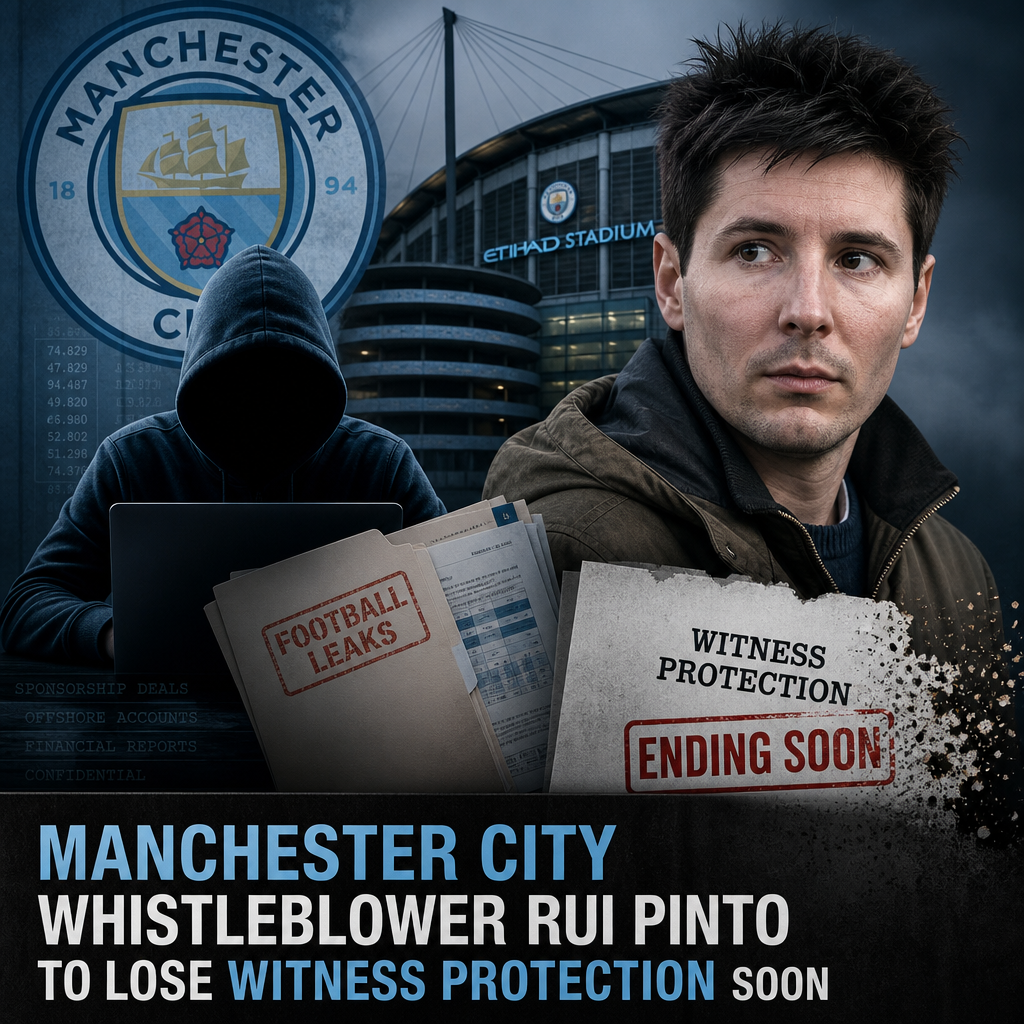
Rui Pinto, the whistleblower behind the infamous Football Leaks operation, faces a critical turning point as he is set to lose his witness protection just days after Manchester City was found guilty of serious breaches of Premier League financial regulations. This development raises pressing concerns about Pinto’s safety given the powerful interests implicated by his revelations.
Background: Rui Pinto and Football Leaks
Rui Pinto gained international attention through Football Leaks, a project that exposed significant wrongdoing in the world of professional football. His leaks triggered a Premier League investigation into Manchester City’s financial conduct. The club was recently found guilty on 115 counts related to serious breaches of the league’s financial rules, underscoring the significance of Pinto’s disclosures.

In recognition of his cooperation with authorities—and to safeguard him—Pinto entered Portugal’s witness protection programme in 2020, due to the potentially dangerous nature of his disclosures. Since then, he has lived under state protection in confidential housing and has received police security.
The End of Watchful Protection
According to a recent statement from Pinto’s legal team, the whistleblower was informed on Wednesday that his special protection programme will be terminated on October 10. This leaves him with only days to find new housing and security arrangements, without any promises that police protection will continue.
“In a few days, without being heard beforehand, as required by law, he would lose the protected, confidential residence assigned to him and be forced to find new housing urgently, with no guarantee that police protection will continue,” the statement reads.
This sudden withdrawal of support comes at a time when Pinto’s safety is arguably more vulnerable than ever before.
Threats and Attacks: A Dangerous Reality
Rui Pinto’s legal team has stressed the severity of the risks he faces. Since his involvement in Football Leaks, he has received numerous threats. More alarmingly, Pinto was physically assaulted in Lisbon last April, highlighting the tangible dangers he faces.
The opaque nature of his predicament amplifies these risks:
- Numerous threats against his life
- Physical assault occurred just months ago
- Implication of powerful and resourceful individuals in ongoing legal matters
These factors significantly contribute to the precariousness of Pinto’s current situation.
Why Pinto Needs Continued Protection
Pinto’s revelations have implicated several influential figures within football and beyond, many of whom have vast resources at their disposal. The Premier League decision against Manchester City underscores the wide-reaching impact of the whistleblower’s disclosures.
Ongoing legal proceedings related to these allegations mean that Pinto remains a key figure whose testimony and evidence continue to pose a threat to vested interests.
Key reasons why protection remains essential:
- Continued involvement in sensitive, ongoing investigations
- Risk of retaliation from powerful entities
- Lack of guaranteed alternative security arrangements
The Critical Situation Ahead
Pinto’s lawyers have described his situation as “critical.” Abruptly removing him from the witness protection programme would not only force him into immediate housing instability but also increase his vulnerability dramatically. The legal team is advocating for a reassessment of this decision given the ongoing risks.
Conclusion
The imminent loss of witness protection for Rui Pinto highlights a worrying dilemma: the safety of a whistleblower who uncovered one of the most significant financial scandals in football. With Manchester City recently sanctioned following Pinto’s leaks, his role remains fundamental in exposing the truth, and his protection should be prioritized to ensure justice and security.
As Pinto awaits a final resolution on his protection status, the football world—and beyond—watches closely, underscoring the high stakes involved in safeguarding those who expose wrongdoing.