
FIFA’s Revenue Boom: $5 Billion from Ticket and Hospitality Sales at the 2026 World Cup
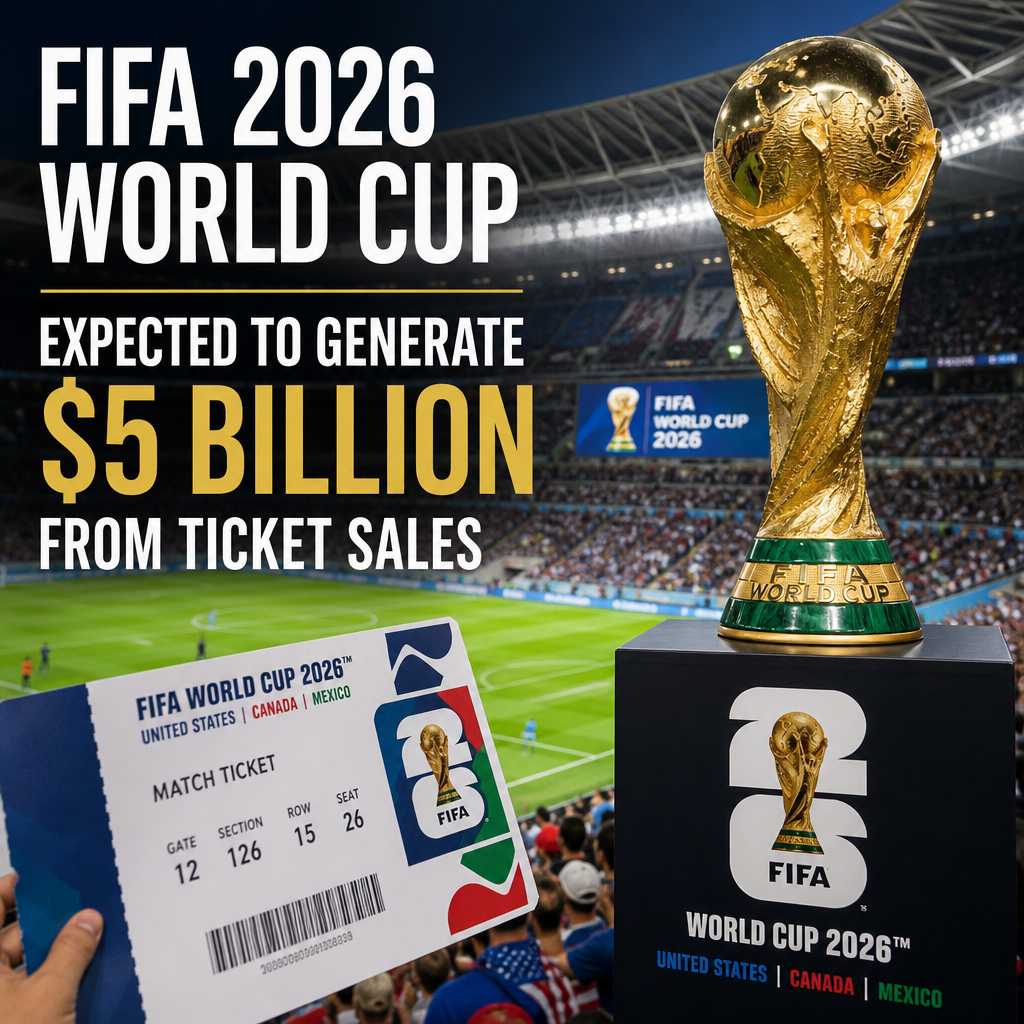
The 2026 FIFA World Cup, jointly hosted by the United States, Canada, and Mexico, is predicted to be a groundbreaking financial success for the organization. FIFA is expected to generate around $5 billion from ticket and hospitality sales alone—more than five times the amount earned during the 2022 tournament in Qatar. This tremendous increase signals a new era of revenue generation fueled by expanded competition formats and strategic ticketing policies.
Record-Breaking Revenue from Ticket and Hospitality Sales
FIFA president Gianni Infantino announced that the 2022 World Cup, held in Qatar, yielded revenues totaling $15 billion—$2 billion above initial expectations. Impressively, one-third of this income, approximately $5 billion, is anticipated to come solely from ticket and hospitality sales at the 2026 tournament.

Although this $5 billion figure is part of an ongoing audit and may be subject to slight adjustments, the scale of the revenue leap is clear. For comparison:
- 2022 Qatar World Cup: 64 matches, with ticket and hospitality sales generating $929 million
- 2026 North America World Cup: 104 matches, expected ticket and hospitality sales revenue approximately $5 billion
The 2026 tournament will feature 40 more matches than Qatar 2022, contributing significantly to higher ticket sales volume.
Factors Contributing to the Revenue Surge
Expanded Tournament Format
One of the key drivers behind the increased revenue is the expanded format of the 2026 World Cup. With 48 teams participating instead of 32, there are now 104 matches scheduled, enhancing global engagement and enabling more ticket sales opportunities.
Dynamic Pricing and Ticketing Policy
For the first time at a World Cup, FIFA implemented dynamic pricing, adjusting ticket prices in real-time based on demand. This resulted in the highest ticket prices in World Cup history, particularly for marquee events:
- Tickets to the final at New Jersey’s MetLife Stadium on July 19 started at $4,185, seven times higher than the cheapest final ticket in Qatar 2022.
Despite some criticism, FIFA’s approach to limiting the secondary market exclusively to its own platform—and taking a 30% cut from resales—helped:
- Curtail the influence of ticket touts
- Reinvest resale revenues back into global football development
Hospitality Sales and Premium Packages
Hospitality sales, including premium seating and exclusive fan experiences, contributed significantly to overall ticket revenue. The North American venues’ modern infrastructure and larger stadium capacities allowed FIFA to package and sell more premium offerings than ever before.
Controversies and Criticisms: Ticketing Policies Under Scrutiny
The 2026 World Cup ticketing strategy was widely debated and criticized. FIFA’s dynamic pricing marked a departure from past practice, leading to soaring prices for high-demand matches. Many fans lamented the high cost barrier to attending matches, especially in comparison to the 2022 Qatar World Cup.
Moreover, the exclusive use of FIFA’s resale platform, while effective in reducing ticket scalping, sparked concerns about limiting fan access to alternative ticket markets and further inflating prices.
Despite these challenges, FIFA defended the policy as a necessary measure to ensure fairness and maximize reinvestment into the sport.
Reinvesting Revenues in Football Development
With FIFA generating unprecedented revenues, the governing body has ambitious plans to pour resources back into football development.
A FIFA spokesperson highlighted:
“The revenues generated by the tournament will provide unprecedented resources for FIFA’s Member Associations to invest in the game, such as supporting the development of men’s, women’s, and youth football across all 211 FIFA member associations, every day of the year.”
Following the FIFA council meeting in Zurich, an initiative called the FIFA Surplus Solidarity Programme was presented, aiming to:
- Use part of FIFA’s reserves to more than double planned funding for 2027–2030
- Increase investments to USD 6.35 billion over that period
This financial boost hopes to support grassroots programs, improve infrastructure, and promote equitable growth of football worldwide.
Conclusion
The 2026 World Cup represents a significant financial milestone for FIFA, with ticket and hospitality sales alone anticipated to bring in around $5 billion. This remarkable revenue boost stems from the expanded match schedule, innovative ticketing strategies, and premium hospitality offerings.
While some ticketing policies sparked debate, the broader financial success sets the stage for expanded investments in global football development. As FIFA prepares to leverage these new funds, the future of the sport looks promising across all 211 member associations.