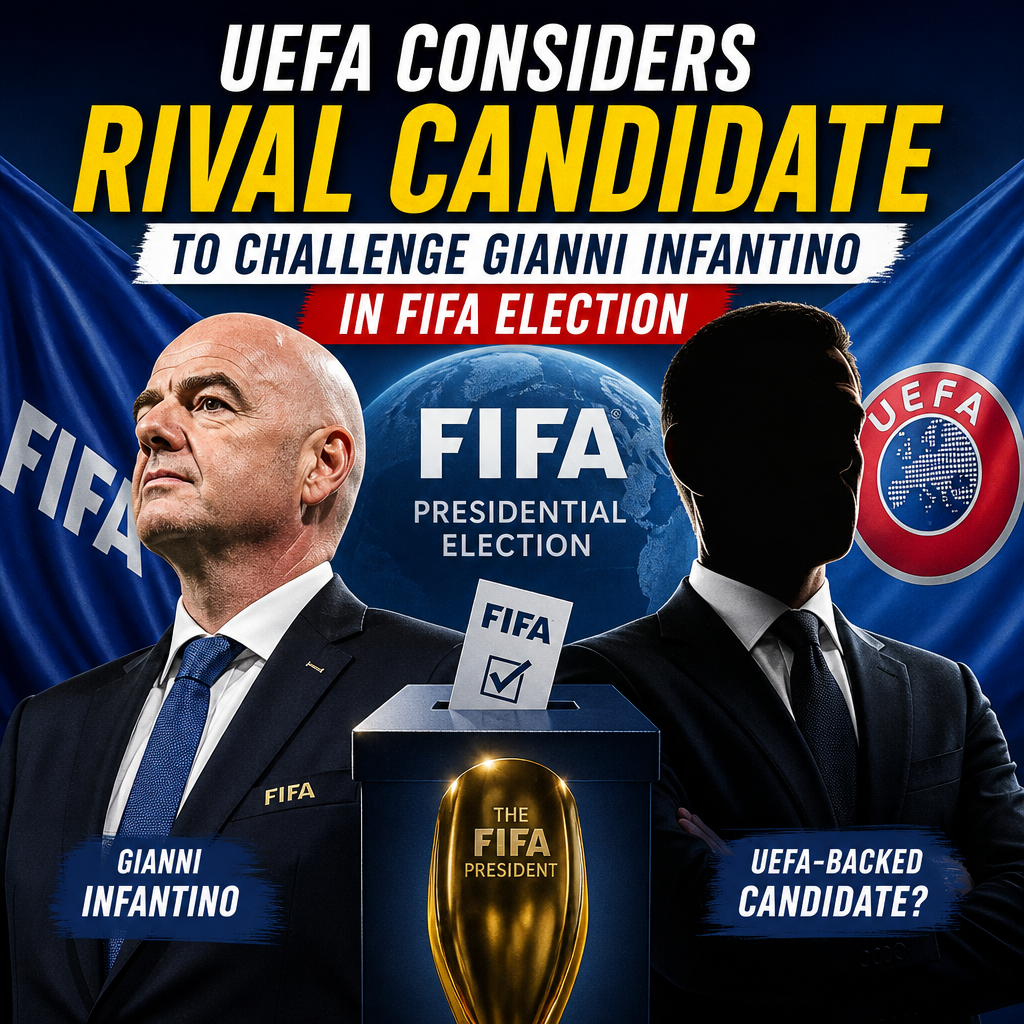
UEFA Considers Backing Rival Candidate to Gianni Infantino in FIFA Presidential Election
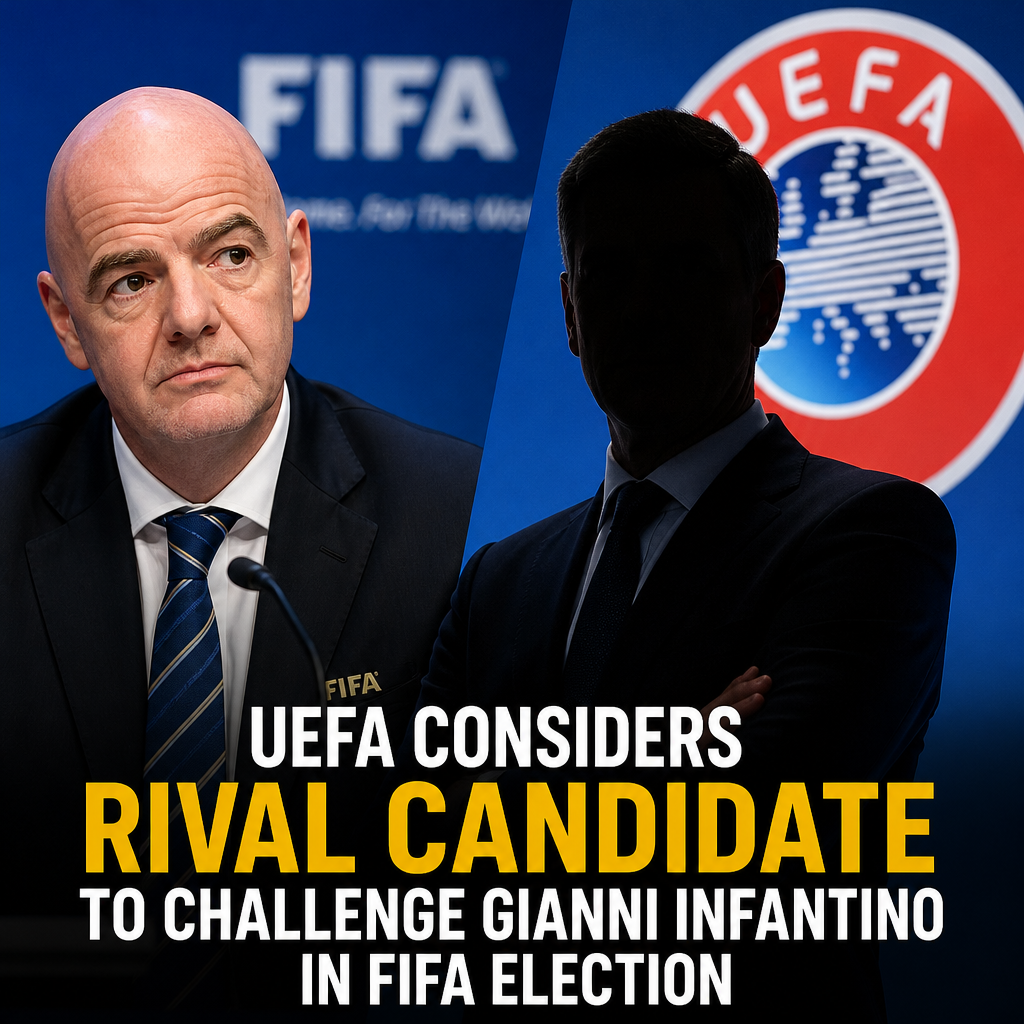
The upcoming FIFA presidential election is shaping up to be a significant event in the world of football governance. UEFA, the European football governing body, is reportedly preparing to back a challenger to Gianni Infantino, who is seeking an unprecedented fourth term. Recent developments suggest that talks surrounding a potential rival have accelerated, and an official candidate could be identified as early as next week, just ahead of the November 18 deadline.
Background: Infantino’s Ambition for a Fourth Term
Gianni Infantino has been at the helm of FIFA since February 2016, initially stepping in after a turbulent period for the global football organization. Since then, he has overseen several initiatives aimed at reforming FIFA’s structure, expanding major tournaments, and promoting global football development.
Despite mixed reactions to some of his policies and decisions, Infantino is pushing for a fourth term as FIFA president. His desire to remain in office signals confidence in his leadership but also underscores the contest’s potential intensity as opponents seek to challenge his record and vision.
UEFA’s Role and Strategy
While Infantino enjoys considerable support, especially from smaller and emerging football nations, UEFA’s stance is pivotal because European football associations wield significant influence within FIFA’s voting system. UEFA’s exploration of a rival candidate indicates concern or dissatisfaction with continuing under Infantino’s leadership.
In recent days, UEFA officials and member associations have intensified their discussions to identify a credible candidate who can unify European votes and possibly sway other confederations. The stakes are high, considering that any challenger will need a minimum of 106 votes out of 211 to secure the presidency—a formidable threshold that underscores the difficulty of unseating an incumbent.
Arsène Wenger’s Name Circulates, but Doubts Linger
In the search for a contender, one name that has surfaced in conversations is Arsène Wenger. The former Arsenal manager is well-known in global football circles, not only for his coaching career but also for his post-managerial role at FIFA overseeing global football development.
Why Wenger?
- Deep understanding of football’s global landscape
- Experience working within FIFA’s structures
- Respected figure with broad recognition and credibility
However, despite these strengths, sources close to Wenger suggest he is unlikely to enter the race. His current FIFA role positions him uniquely within the organization, and a shift to the presidency may not align with his personal or professional plans. Moreover, Wenger has not publicly indicated any intention to run, leading many to view his name as more speculative than confirmatory.
The Challenge Ahead for Any Opponent
Unseating an incumbent FIFA president is no small feat. Beyond the formidable 106-vote threshold, the political dynamics within FIFA’s diverse confederations create complex alliances and negotiations.
Key Challenges for Candidates:
- Building a broad coalition: FIFA’s 211 member associations have different priorities. A successful candidate must appeal to regional blocs across Africa, Asia, the Americas, Europe, and Oceania.
- Policy proposals: Offering a compelling alternative vision that addresses concerns about governance, tournament formats, and FIFA’s global role.
- Campaign resources: Securing enough funding and organizational backing for global lobbying efforts.
- Overcoming incumbency advantage: Infantino’s established network and influence within FIFA.
What This Means for Football Governance
UEFA’s move to consider backing a rival candidate signals an important test of FIFA’s political landscape and the future direction of the organization. The upcoming election will reflect broader debates about transparency, reform, and the balance of power within world football.
Supporters of change hope that a robust contest will bring fresh ideas and accountability to the leadership of world football. For football fans and stakeholders alike, the developments ahead will be closely watched, with the election results likely to shape the sport’s governance for years to come.
Conclusion
As the November 18 deadline approaches, UEFA’s pursuit of a rival candidate to Gianni Infantino highlights the high-stakes nature of the FIFA presidential election. While Infantino looks set to pursue a fourth term, the emergence of a challenger—whether Arsène Wenger or another figure—could dramatically alter the race. With the necessity of securing at least 106 votes, the contest promises to be fiercely competitive, emphasizing the critical role UEFA and other confederations will play in determining world football’s leadership.