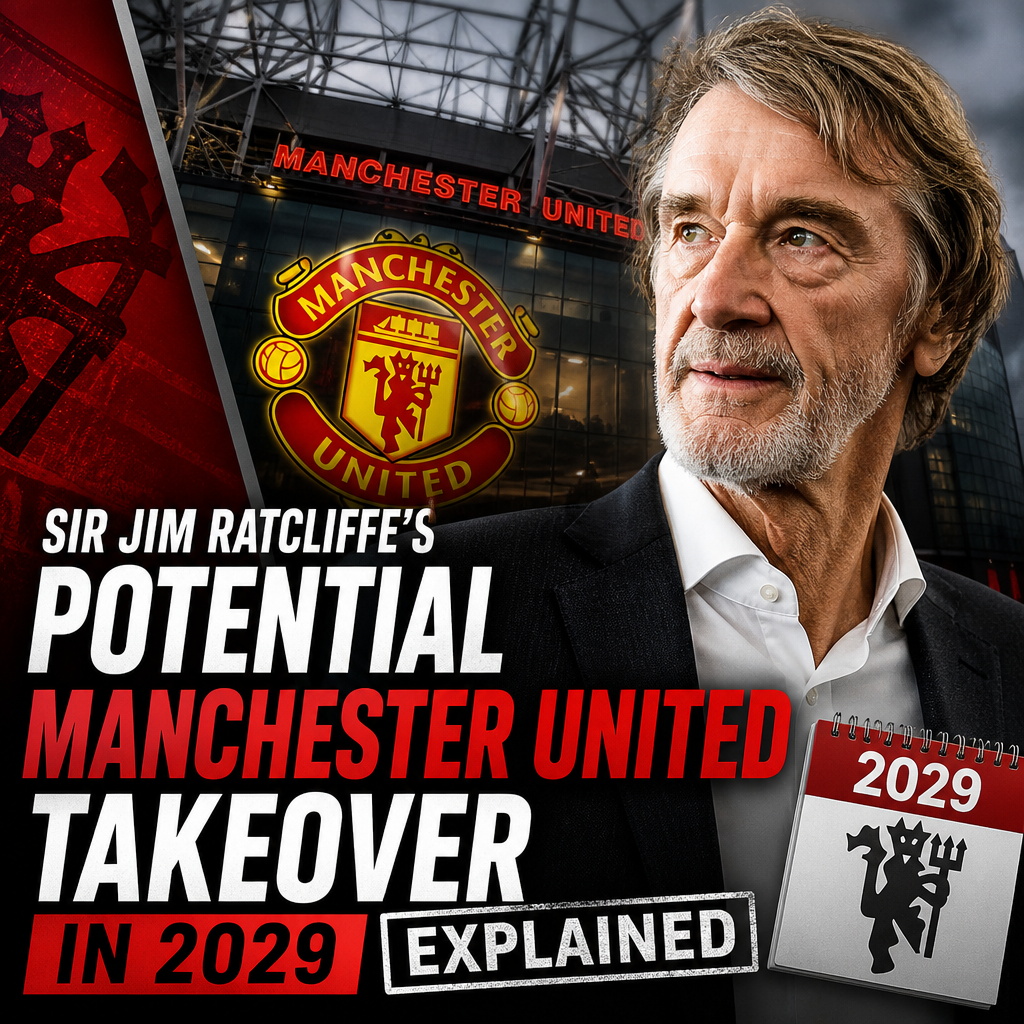
Sir Jim Ratcliffe Poised for Potential Manchester United Takeover in 2029
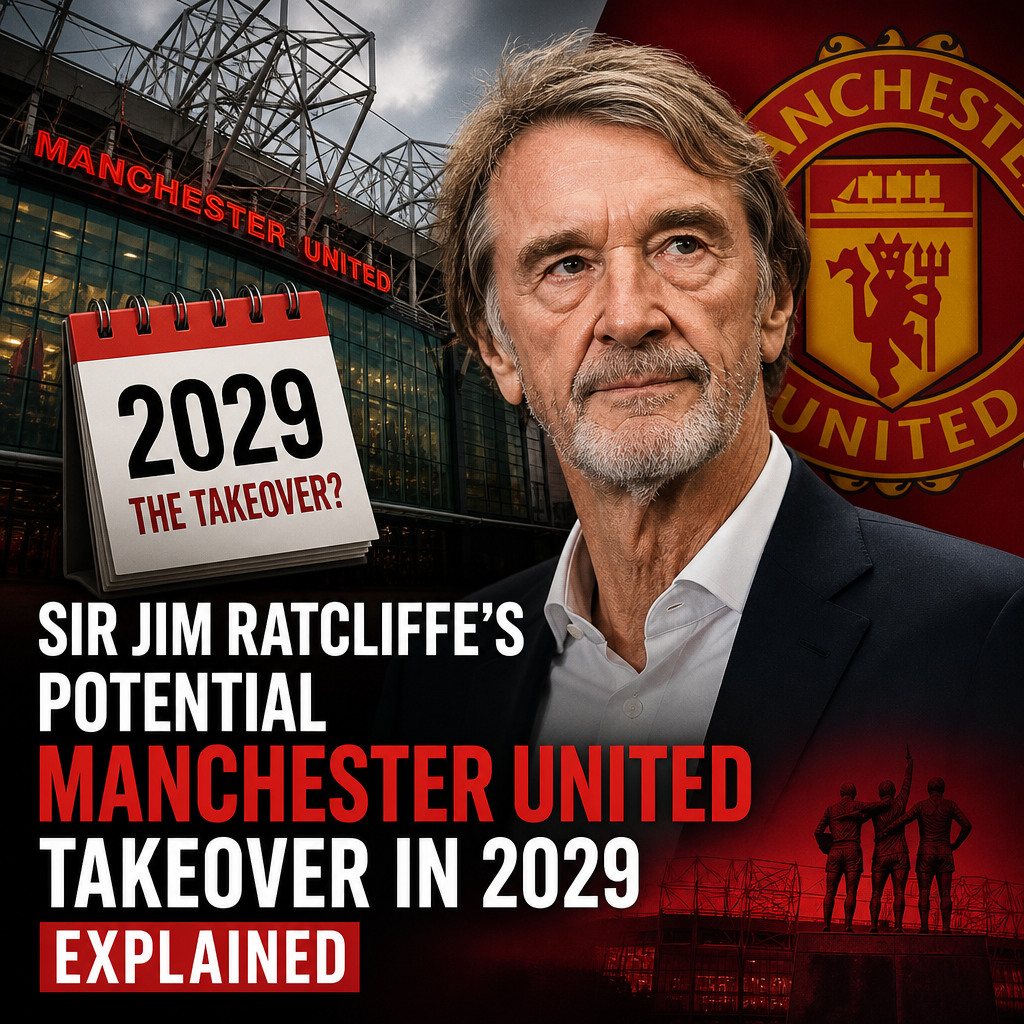
Manchester United fans and football industry watchers may soon witness a major shakeup in the club’s ownership structure. Sir Jim Ratcliffe, the British billionaire and founder of the chemical giant INEOS, could have the unique opportunity to secure majority ownership of Manchester United in the second half of 2029. This potential takeover hinges on a key clause embedded within the club’s $550 million refinancing agreement, which offers a strategic advantage in repaying loans and reshaping United’s financial future.
The Refinancing Agreement and Its Implications
In 2029, Manchester United will unlock a significant financial opportunity thanks to a clause allowing the club to repay its loans without penalties starting from June that year. This means United can pay down debts early, eliminating the costly fees typically associated with early repayments. The absence of these penalties could ease the financial burden on the club’s ownership, paving the way for a change in control.

This scenario raises the possibility that INEOS, under Sir Jim Ratcliffe’s direction, could step in to assume the remaining Glazer-era debts. The Glazer family, United’s current owners since 2005, have faced increasing pressure over the years due to the substantial debt leveraged onto the club. If INEOS assumes this debt, it could mark the beginning of the end for the Glazer ownership era at Old Trafford.
Financial Benefits of a Potential Takeover
Should INEOS take over the remaining debt, the impact on Manchester United’s financial position could be substantial. Here are some of the key benefits that such a takeover may bring:
- Improved Financial Position: Repaying loans without penalty and assuming the debt under new ownership would improve the club’s balance sheet.
- Enhanced Borrowing Power: With better control over finances, Manchester United could unlock higher borrowing capacity.
- Funding for Stadium Development: The increased borrowing power could be crucial in funding much-needed infrastructure projects, including the construction of a new stadium estimated between £2 billion and £3 billion.
The club has long been rumored to consider building a new state-of-the-art stadium to replace Old Trafford, which has been their home since 1910. Such a development would require massive investment, and a successful takeover by INEOS could provide the financial muscle needed to bring these ambitions to fruition.
Challenges in the Path to Ownership
Despite the promising prospects, there are significant hurdles to clear before Sir Jim Ratcliffe can take majority control:
- Glazer Family’s Willingness to Sell: Any takeover would require the Glazers to agree to sell their shares. The family has remained committed to the club despite widespread fan protests and controversies.
- Assumption of Additional Debt by INEOS: INEOS would need to take on further debt to fully assume ownership. This is a considerable challenge given INEOS’s current financial obligations, reportedly exceeding £10 billion.
- Regulatory and Approval Processes: Like any major football club acquisition, the deal would be subject to regulatory approvals, including those from the Premier League and other governing bodies.
What This Means for Manchester United Fans
For the millions of Manchester United supporters worldwide, this potential takeover brings a sense of cautious optimism. Many fans have long called for the removal of the Glazer family, whose leveraged buyout saddled the club with significant debt and restrictions on spending.
A new ownership structure under Sir Jim Ratcliffe and INEOS could revitalize the club not only financially but also on the pitch, if the new owners invest wisely. More resources could mean more freedom to sign top talent, upgrade training facilities, and compete at the highest levels domestically and in Europe.
Conclusion
The clause in Manchester United’s refinancing agreement marks a critical juncture that might enable Sir Jim Ratcliffe to secure majority ownership by mid-2029. This development could transform the club’s financial landscape, helping to erase Glazer-era debts and unlock new possibilities, including a multi-billion-pound stadium project.
However, anything beyond speculation depends on key decisions from both the Glazers and INEOS, as well as regulatory green lights. Until then, Manchester United’s future remains a topic of intense discussion, with fans eagerly watching for any signs of change.
Source: @TelegraphDucker