The Rise, Fall, and Rebirth of Como: A Tale of Ownership and Ambition
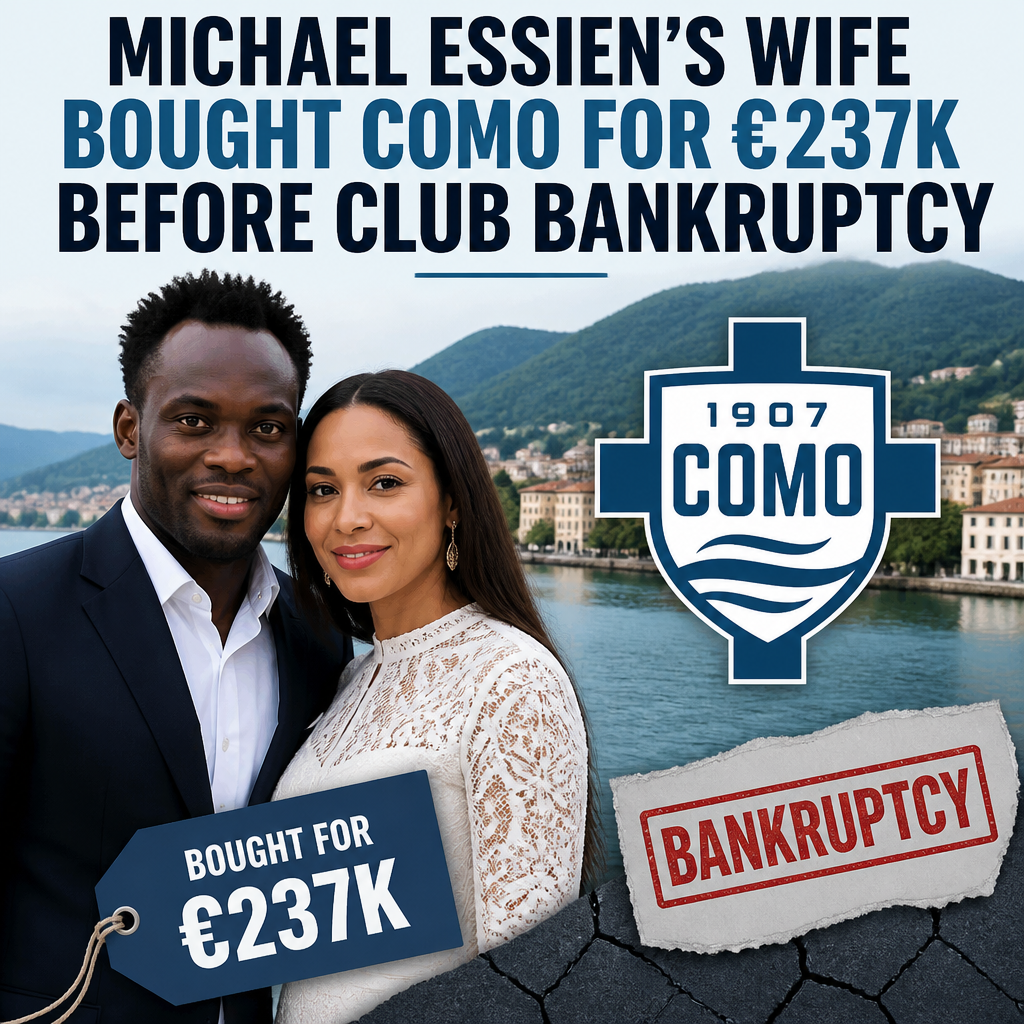
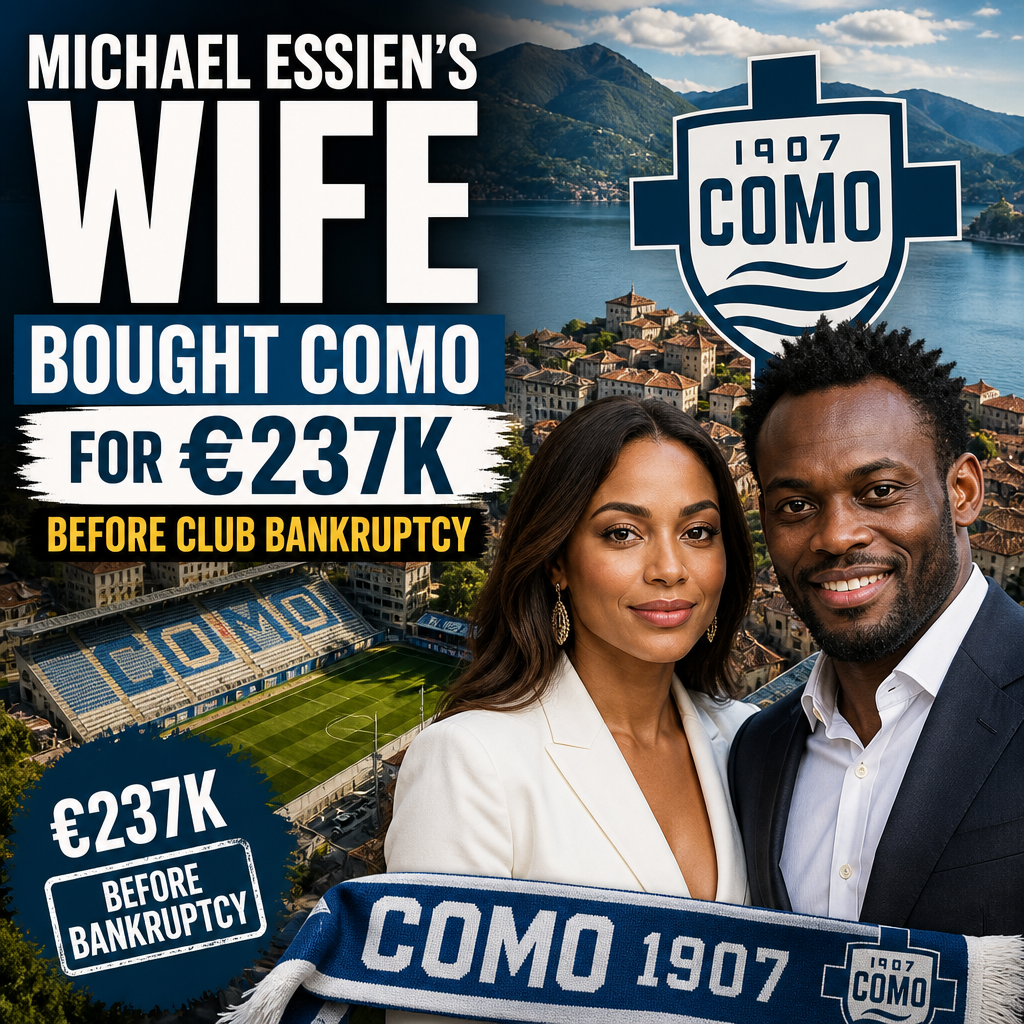
Northern Italy’s football landscape has witnessed dramatic stories of glory and despair over the years. One of the most fascinating and lesser-known episodes revolves around the club Como, a team with a storied history yet recent turbulent times. Did you know that the wife of former Chelsea midfielder Michael Essien bought Como for just €237,000 in 2017, only to lose everything just a few months later? This remarkable chapter highlights both the challenges of football club management and the club’s eventual resurgence.
Como Football Club in 2017: A Club in Crisis
By March 2017, things were very different for Como. The club was floundering in the lower divisions of Italian football, grappling with financial difficulties and on the verge of bankruptcy. The once-proud club needed a savior to steer it away from collapse.

At this critical juncture, Akosua Puni Essien, wife of former Chelsea star Michael Essien, made headlines by stepping in. She acquired the club’s assets for just over €237,000, a modest sum considering the club’s history and potential. This acquisition made her the first foreign female entrepreneur in Italian football history—a groundbreaking appointment spotlighted across the sport.
The Challenges of Running Como
Owning a football club is no easy feat, especially when saddled with financial woes and uncertain futures. Unfortunately, Akosua Puni Essien faced immense challenges after purchasing Como.
Problems Faced
- Financial Guarantees: Shortly after the acquisition, Como struggled to provide the Italian Football Federation (FIGC) with the necessary financial guarantees, which are essential for registration in professional Serie C.
- Non-Admission to Serie C: Due to these financing issues, the club was denied entry to Serie C, effectively excluding them from the professional third division of Italian football.
- Impending Bankruptcy: These setbacks culminated in the club going bankrupt, a bitter twist just months following the acquisition.
The Aftermath
Following bankruptcy, Como was forced to re-found itself in Serie D, the fourth division of Italian football. This was a humbling blow for a club with ambitions and history that deserved so much more.
The Turning Point: Indonesian Billionaire Investors
Though the Essien family’s venture ended in disappointment, the story didn’t finish there. In 2019, two Indonesian billionaire brothers, Robert and Michael Hartono, owners of the Djarum Group, stepped in.
What the Hartono Brothers Brought to Como
- Financial Backing: Their investment injected much-needed financial stability and ambition to the club.
- Professional Management: The brothers brought a more sustainable operational approach to ensure long-term success.
- Rise Through the Divisions: With improved resources and management, Como could finally pursue promotion and stronger performances.
Como Today: A Multi-Million Euro Club
From near bankruptcy and the brink of collapse to a club valued at more than €500 million, Como’s transformation is remarkable.
Key points about Como today:
- Valuation: The club’s value has soared beyond half a billion euros, a staggering increase from the €237,000 purchase price in 2017.
- Competitive Ambitions: Como now aims higher, with professional stability and on-field competitiveness to match.
- Symbol of Resilience: The club’s journey highlights how football institutions can rise again with the right vision and resources.
Conclusion
The story of Como football club is one of extraordinary upheaval, bold ownership moves, and relentless determination. Akosua Puni Essien’s purchase marked a historic moment but also illustrated the challenges outsiders often face in navigating Italian football’s complex financial requirements. Her brief ownership period may have ended in loss, but it set the stage for a remarkable rebirth.
Thanks to the vision and investment of the Hartono brothers, Como now stands as a shining example of how football clubs can rebuild and thrive even after near ruin. The club’s journey from €237,000 to over €500 million in value in just a few short years is a testament to perseverance, smart investment, and the enduring passion for the beautiful game in northern Italy.