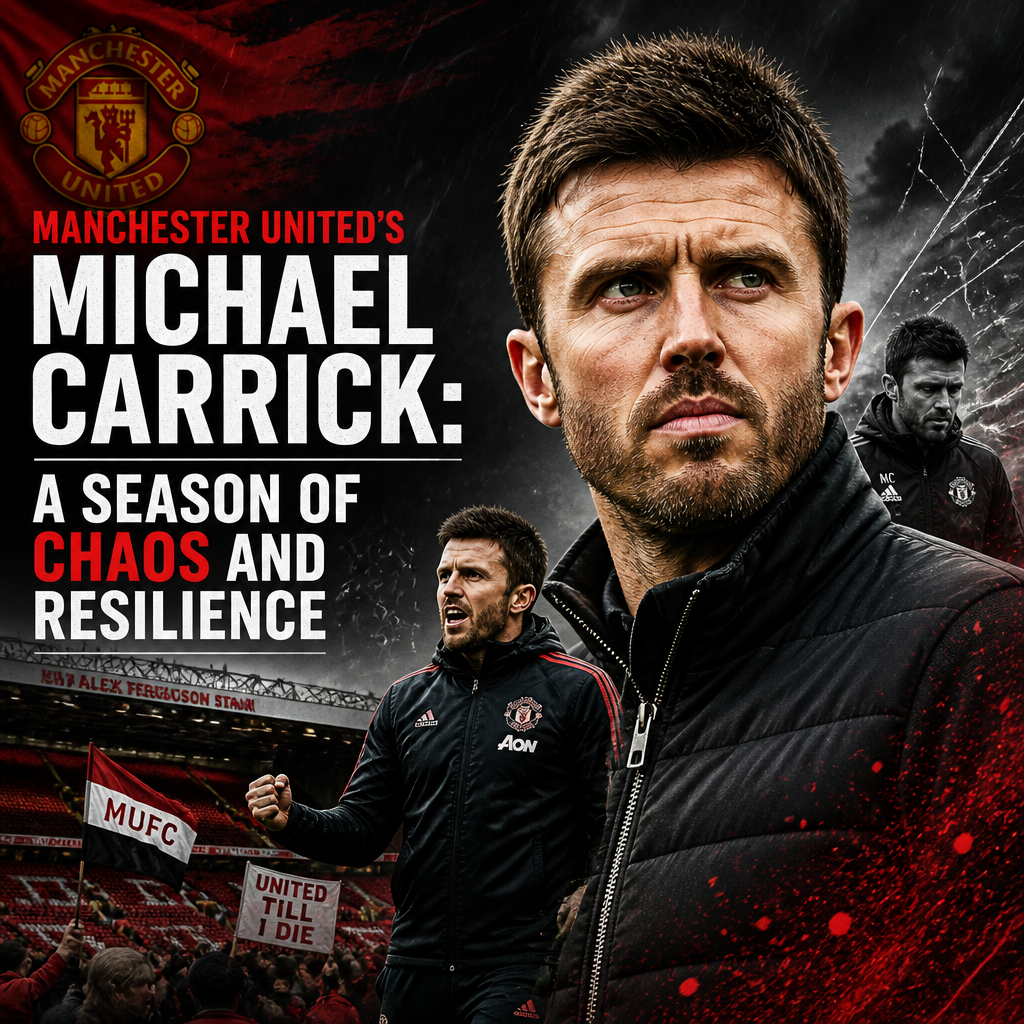
Michael Carrick’s Final Lap at Old Trafford: A Tale of Resilience and Farewell
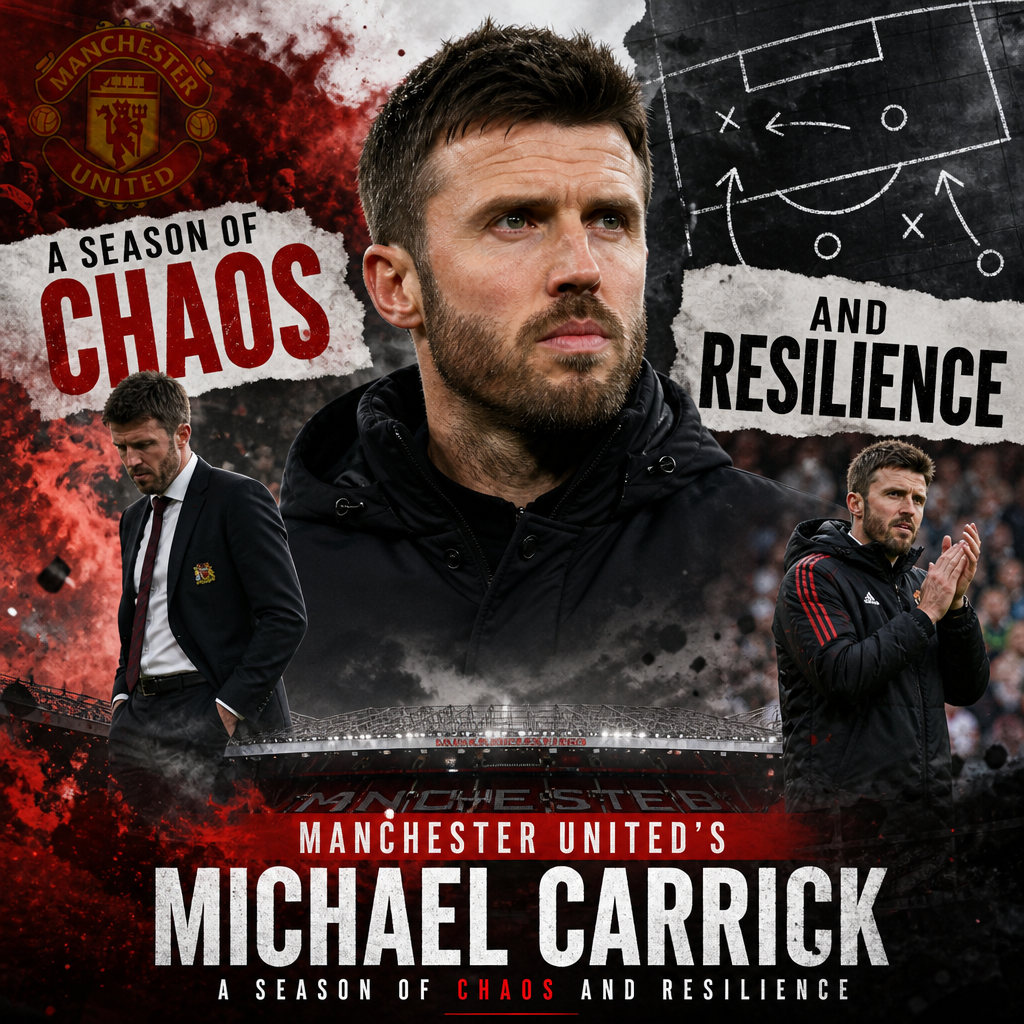
It was just after 6pm on Sunday, 8 November, when the message landed: Manchester United were 4-2 down to Aston Villa at Old Trafford. The home crowd, resigned to defeat, braced for another painful loss. But football, as often, had a different plan.
The Drama of a Stoppage-Time Comeback
Despite the odds, United mounted an incredible fightback, scoring twice in stoppage time to secure a thrilling 4-4 draw. It was a rollercoaster night that perfectly encapsulated the spirit Michael Carrick had encouraged in his team. When Patrick Dorgu scored the equaliser, Carrick raised an arm in celebration – a rare show of emotion before beginning what became his final lap around the pitch.

Carrick: The Man Behind the Manager
Carrick’s walk around the pitch was more than a farewell gesture; it was an embrace of the collective spirit he’s defined throughout his tenure. As the United supporters sang his name, he positioned himself between the crowd and his players, shielding them from the boos and fury that had greeted the team just two weeks earlier after a 3-0 loss to Bournemouth.
This act of solidarity revealed the true character of the 45-year-old – someone who always prioritised the club and players over personal glory. His leadership style, founded on empathy and selflessness, earned him loyalty and respect, even when results faltered.
The Tumultuous Tenure: Ups and Downs
Carrick’s time as interim manager has been far from smooth. The Bournemouth defeat seemed to signal the end, yet it took United 44 hours to announce that Carrick would continue. This delay underscored the turbulence within the club’s hierarchy.
Since then, Carrick’s side recorded one win, one draw, and one loss:
- Chelsea (Loss 2-0): United showed promise in the first half but conceded early after the break. A red card for Lisandro Martinez further hampered the team, sealing the defeat.
- Roma (Win 3-2): Facing a 2-0 deficit within 17 minutes, United mounted a stirring comeback reminiscent of Carrick’s playing days under Sir Alex Ferguson.
- Aston Villa (Draw 4-4): Two early errors, largely defensive, put United on the back foot again. Yet the team’s grit shone through to snatch a point.
These mixed results led to a critical question—did Carrick’s stock rise, or was it clear he wasn’t the right man for the job? Ultimately, the club’s decision indicated the latter.
Behind the Scenes: A Change Was Inevitable
As fans celebrated late drama on the pitch, United’s front office was already considering the bigger picture. Chief Executive Omar Berrada and Director of Football Jason Wilcox, present at Old Trafford, watched the final moments with a detached pragmatism.
Within days, these officials flew to Monaco to consult with minority owner Sir Jim Ratcliffe, signalling an imminent managerial change. This marked the third consecutive mid-season replacement for Manchester United, reflecting ongoing instability.
The Contrast With Last Season’s Hope
Carrick’s replacement may not have surprised many, but the context is revealing. Last season, after 12 wins in 17 games, optimism ran high at Old Trafford. The team had returned to the Champions League, and internal dynamics appeared harmonious.
Key developments included:
- Promising youth integration: Players like JJ Gabriel had been assimilated into the squad, showing the club’s commitment to nurturing talent.
- Tactical optimism: Senior staff discussed the exciting potential of a midfield partnership between Bruno Fernandes and Youri Tielemans.
- Recruitment challenges: While still an issue, the mood suggested Manchester United were heading in the right direction.
Now, with the season in full swing and the same challenges unresolved, the club is opting for a fresh start.
Looking Ahead: What Next for Manchester United?
The decision to part ways with Carrick, despite his loyalty and efforts, highlights the immense pressures and expectations at Old Trafford. As the club searches for stability and progress, they must address deeper concerns around recruitment, squad harmony, and consistent performances.
In reflecting on Carrick’s final days managing United, the message is clear: the spirit and collective determination he fostered remain vital, even as the club embarks on a new chapter.
Michael Carrick’s journey from player to interim manager may be ending, but his legacy of resilience and leadership at Manchester United will endure far beyond this dramatic final lap.