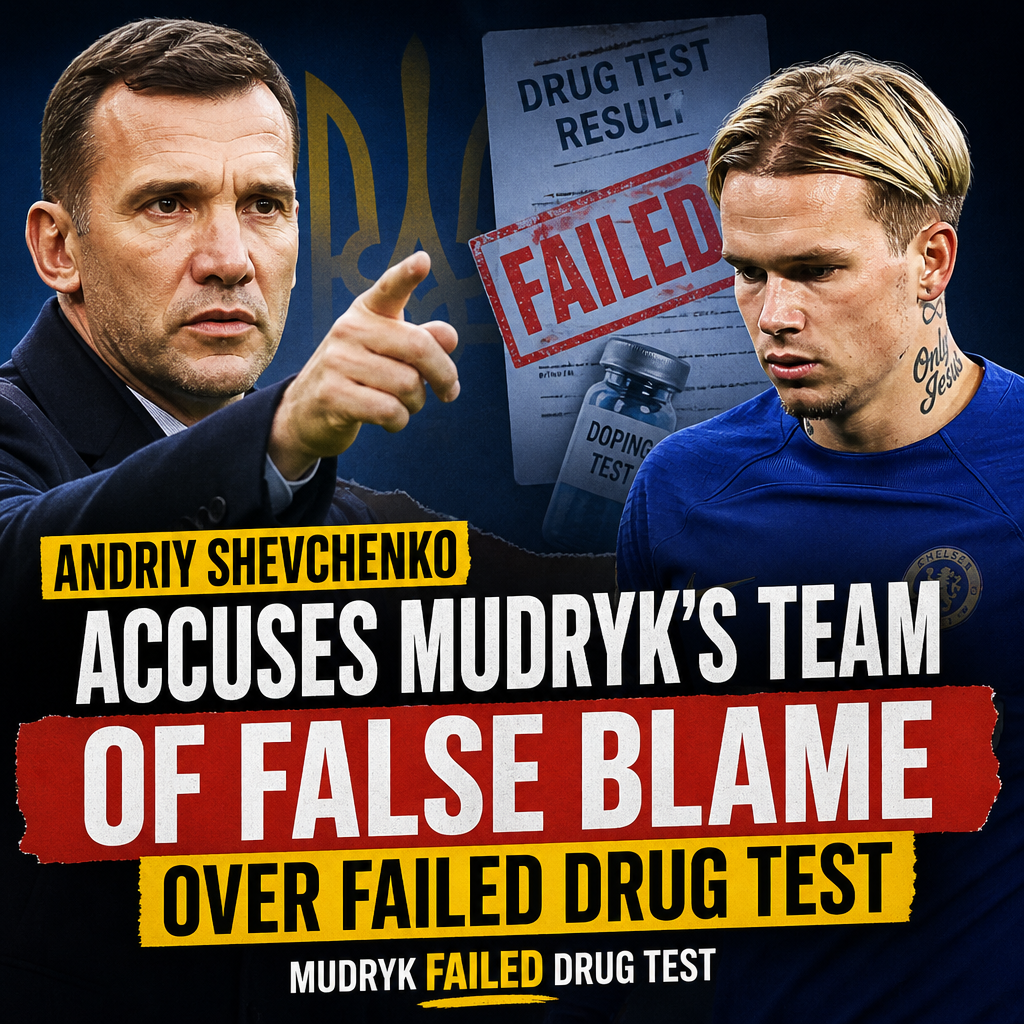
Andriy Shevchenko Responds to Mykhailo Mudryk’s Drug Test Controversy
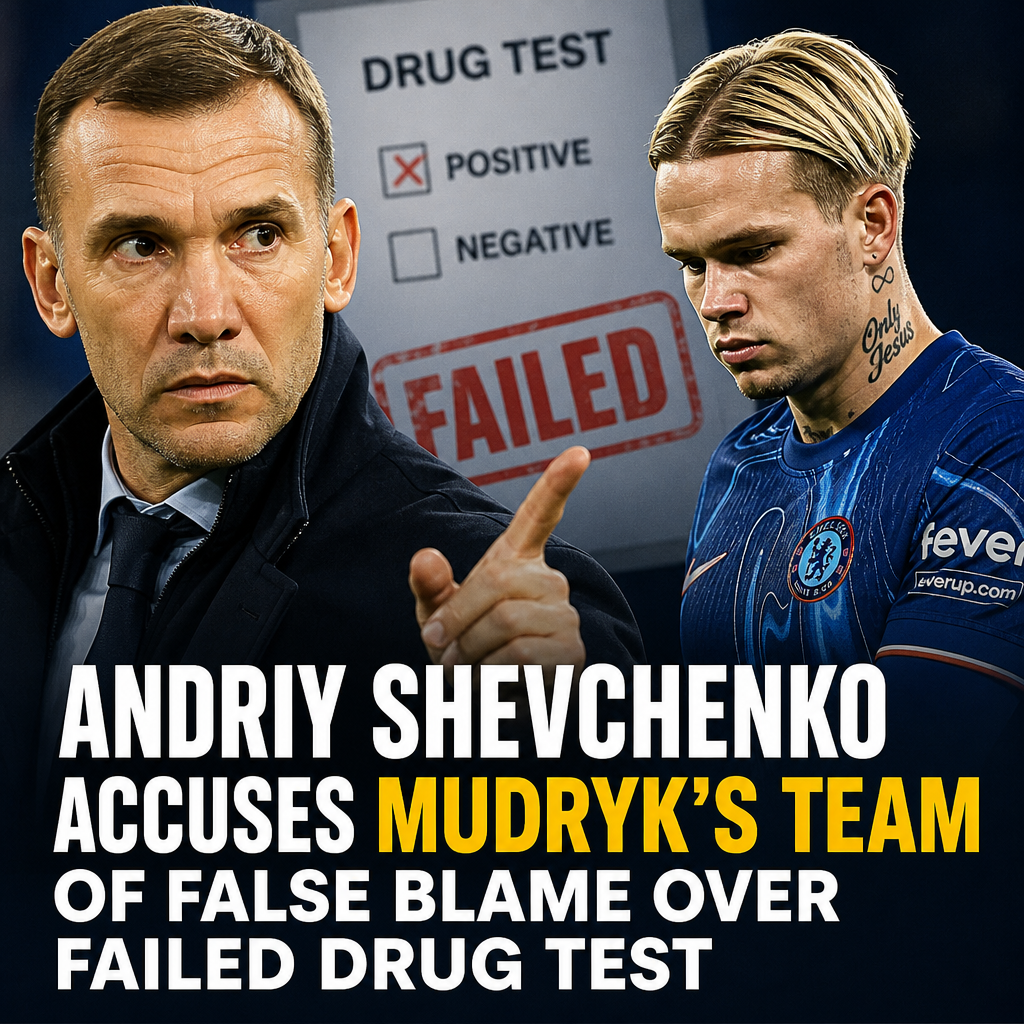
The controversy surrounding Mykhailo Mudryk and his failed drugs test has stirred significant debate in the football world. Recently, Andriy Shevchenko, president of the Ukrainian Football Association (UAF), accused Mudryk’s representatives of trying to manipulate the situation by seeking someone to falsely take the blame for the positive test. This blog post unpacks the details of this ongoing saga and what it means for the parties involved.
Background: Mudryk’s Suspension for Meldonium Use
Mykhailo Mudryk, the talented winger on loan at Tottenham from Chelsea, was suspended for 20 months effective from November 2024 to July 2026. The suspension followed a positive test for the banned substance meldonium, detected in October 2024. Meldonium has been a controversial substance in sports due to its performance-enhancing effects and is strictly prohibited by anti-doping agencies.

Mudryk’s Claims: Blaming the Ukrainian FA
In a recent interview, Mudryk denied intentional doping and placed suspicion on the Ukrainian Football Association (UAF), alleging that the substance entered his body while on international duty.
“This drug could only have got into my body where I was, and that’s Ukraine,” Mudryk stated.
He implied negligence or wrongdoing on the part of the national team’s medical staff, suggesting that the UAF bears responsibility for his positive test result.
Shevchenko’s Rebuttal: “Baseless Slander”
Andriy Shevchenko strongly refuted Mudryk’s accusations. Speaking to Tribuna, Shevchenko called the claims “baseless slander” and provided additional context regarding the actions of Mudryk’s representatives.
Key Points from Shevchenko’s Statement:
- Allegation of False Responsibility: Mudryk’s representatives allegedly approached the UAF multiple times, asking for an employee willing to falsely take responsibility for the meldonium detection.
- Principles of the UAF: Shevchenko highlighted that such a request goes against the principles and integrity upheld by the UAF.
- Failed Investigations: Despite thorough investigations, the UAF was unable to determine how the banned substance entered Mudryk’s system.
- Compliance with Chelsea’s Requests: The national team staff complied fully with Chelsea’s instructions to avoid administering any medication to Mudryk during international duty.
- Personal Specialists Allowed: Mudryk was permitted to bring two personal specialists to training camps to oversee his medical needs.
The Stakes: What This Means for Ukrainian Football and Mudryk
This dispute impacts multiple facets of Ukrainian football:
- Reputation of the UAF: The accusation challenges the association’s professionalism and medical protocols during international duty. Shevchenko’s firm denial seeks to protect the organization’s integrity.
- Mudryk’s Career and Image: The 20-month suspension severely disrupts Mudryk’s playing career. His insistence on external culpability indicates the high stakes involved in maintaining his public image and professional relationships.
- Chelsea and Tottenham’s Position: Both clubs face scrutiny regarding their handling of Mudryk’s fitness and compliance with doping regulations during his loan spell.
Conclusion
The conflict between Andriy Shevchenko and Mykhailo Mudryk’s camp highlights the complexities around doping accusations in football. While Mudryk claims the banned substance entered his body during Ukrainian national team duty, Shevchenko insists the UAF operated transparently and ethically, raising serious questions about attempts to shift blame.
As investigations continue behind the scenes, this case remains a cautionary tale about doping controls, responsibility, and the importance of maintaining trust in football institutions.
Follow #Shevchenko #Mudryk #Ukraine #Chelsea #CFC for ongoing updates on this developing story.