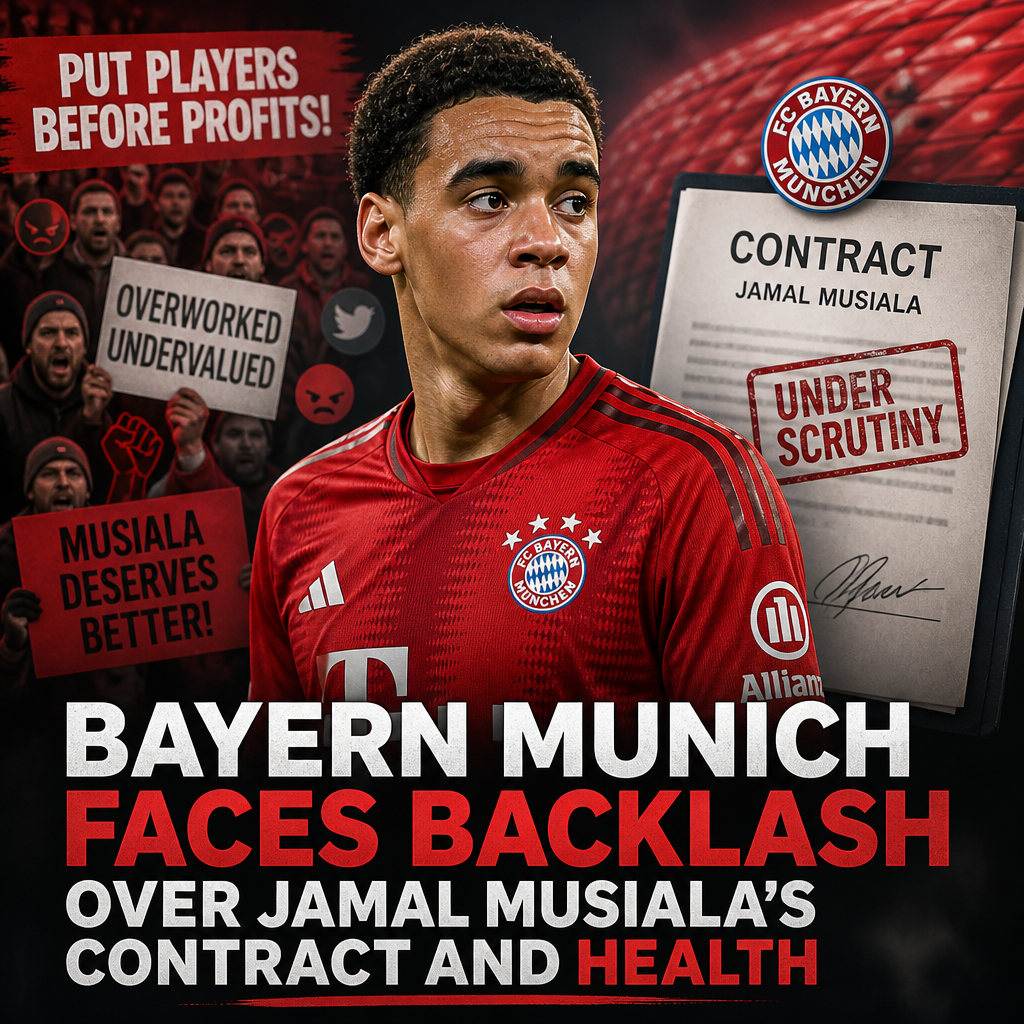
Bayern Munich’s Leadership Faces Backlash Over Handling of Jamal Musiala’s Health and Contract Concerns
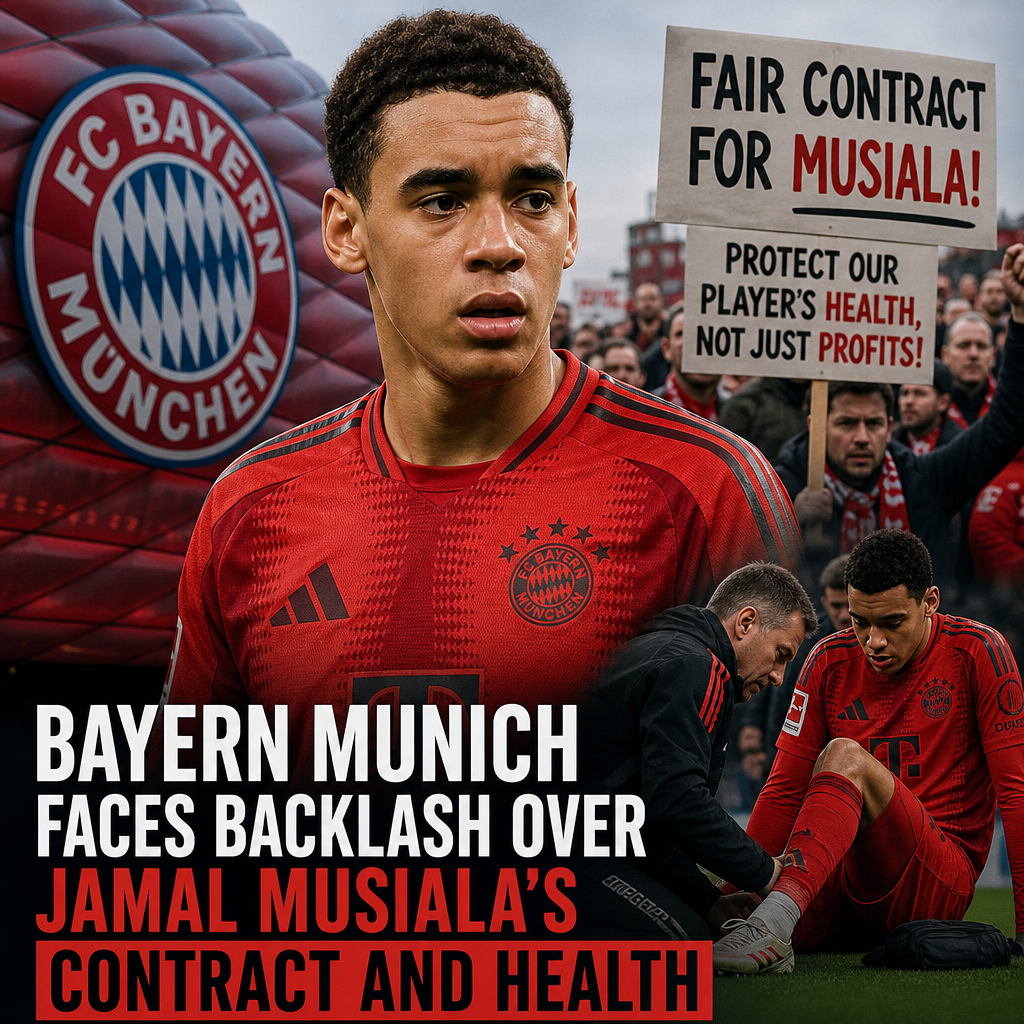
Bayern Munich is currently embroiled in controversy following public comments made by senior club executives about Jamal Musiala’s contract and his future performance after his neurological diagnosis. This has sparked widespread condemnation from players, unions, and medical charities alike.
What Happened: Medical Diagnosis and Career Impact
In August 2026, a startling incident brought Musiala’s health into the spotlight. The 23-year-old midfielder collapsed twice during pre-season matches, prompting medical evaluations. Musiala was diagnosed with a neurological dysfunction that causes absence seizures. He emphasized these seizures are treatable but acknowledged the challenges ahead.

Since the diagnosis, Musiala has seen limited playing time and suffered another reported seizure episode in November, raising concerns about his ability to return to peak form and the impact on his promising career.
Executive Comments Spark Controversy
Over the following weeks, three prominent Bayern figures—Honorary President Uli Hoeness, board member Karl-Heinz Rummenigge, and CEO Jan-Christian Dreesen—publicly questioned the prospects of Musiala’s contract and performance:
- Uli Hoeness described the situation as a “dilemma,” suggesting that Musiala might never regain his previous level.
- Karl-Heinz Rummenigge cast doubt on the sustainability of Musiala’s €23–25 million gross annual salary if his performance does not rebound.
- Jan-Christian Dreesen echoed concerns about the future prudence of the contract extension, which runs until 2030.
These statements, widely perceived as casting doubt on Musiala’s value to the club during a vulnerable time, prompted immediate backlash.
The Backlash: Players, Unions, and Medical Charities Speak Out
Team Captain Joshua Kimmich’s Strong Reproach
Following Bayern’s Champions League match against Lille, captain Joshua Kimmich openly rebuked the leadership’s public handling of the situation. He called it an “absolute no-go,” emphasizing the need to respect Musiala’s dignity:
“The club is bigger than the player, yes, but it is not bigger than the person.”
Kimmich’s stance underscored the importance of protecting players, especially those facing health issues.
Players’ Unions Condemn the Leadership
The criticism extended beyond Bayern’s locker room to the players’ unions:
- FIFPRO, the global players’ union, accused Bayern Munich of deploying a “coordinated strategy to put pressure on Musiala” during potential contract negotiations.
- The German footballers’ union (VDV) also expressed disapproval, stressing that clubs have a duty of care towards their players.
Both unions’ statements highlight professional football’s ongoing challenges around player welfare and contractual fairness.
Medical Charities Emphasize Employer Obligations
Medical organizations joined in the criticism, particularly UK charity Epilepsy Action, which stated the public is “rightly outraged” over Bayern’s approach. They reminded employers that their obligations do not change simply because an employee is diagnosed with a seizure disorder.
This was a crucial reminder that health conditions, especially neurological ones, demand sensitivity and privacy, rather than public second-guessing.
Bayern’s Response and Attempt to Resolve the Situation
To manage the escalating controversy, Bayern’s sporting director Max Eberl met with Musiala’s management agency, 11WINS. The club and agency then issued a joint statement including the following points:
- Full Support: Bayern reiterated that Musiala’s health is the “top priority” and pledged comprehensive support throughout his recovery. Notably, there were no wage discussions during the meeting.
- Timeline Clarification: It was confirmed Musiala’s seizure symptoms were first examined on 22 April 2025—two months after signing his contract extension—debunking rumors that the condition was hidden during negotiations.
- Confidentiality: Both sides agreed to continue any further discussions privately to respect Musiala’s dignity and prevent further public speculation.
Conclusion: A Lesson in Leadership and Compassion
Bayern Munich’s recent mishandling of Jamal Musiala’s medical condition and contract situation serves as a cautionary tale about leadership in elite sports. Publicly questioning a player’s health and future amid a serious neurological diagnosis not only violates privacy but risks alienating teammates, supporters, and wider football communities.
As the club works to rebuild trust and focus on Musiala’s wellbeing, the episode emphasizes the crucial balance between professional expectations and human compassion. Bayern’s experience should encourage other organizations to adopt more sensitive, private, and supportive approaches when dealing with player health issues—prioritizing people over contracts and headlines.