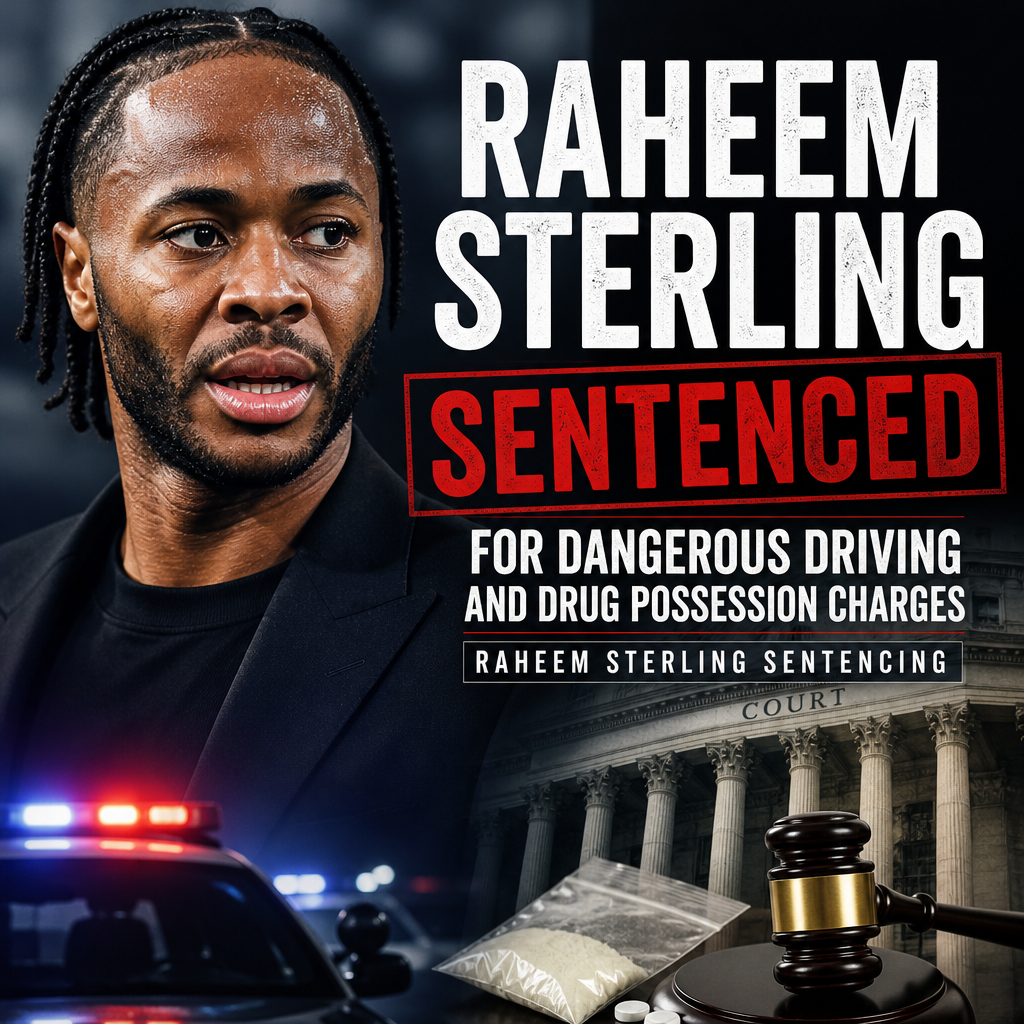
Raheem Sterling Arrested Following Lamborghini Crash on M3
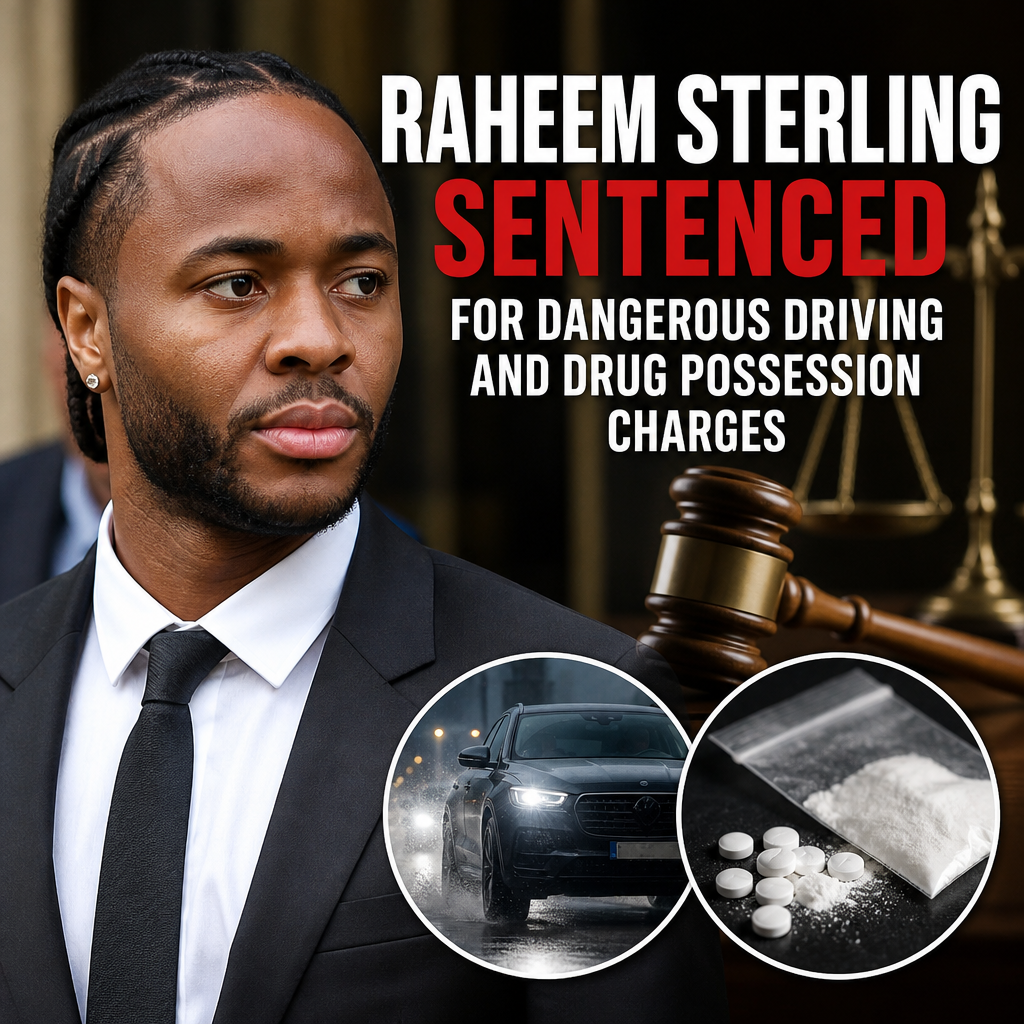
Former England footballer Raheem Sterling was arrested in May 2026 after crashing his Lamborghini Urus on the M3 near Hampshire. The high-profile incident quickly drew public attention, not only because of Sterling’s sporting background but also due to the serious charges he faced in connection with the crash.
Details of the Incident and Arrest
The crash occurred on the M3 motorway, where Sterling lost control of his luxury vehicle. Following the accident, police arrested him on suspicion of multiple offenses. According to reports, the charges filed against Sterling included:

- Dangerous driving on the M25, M3, A327, and Minley Road
- Possession of nitrous oxide, classified as a Class C drug
- Failing to provide a specimen for analysis
These charges raised significant concerns about road safety and responsible driving, especially given Sterling’s public profile as a former professional athlete.
Legal Proceedings and Guilty Plea
Sterling appeared at Basingstoke Magistrates’ Court for a sentencing hearing held on November 25, 2026. He pleaded guilty to all the aforementioned charges. Despite the severity of the offenses, he avoided immediate imprisonment.
Instead, the court handed down a 12-month jail sentence, suspended for 18 months. This means Sterling would not serve time in prison if he complied with the conditions set by the court during the suspension period.
Sentencing Details and Additional Penalties
Alongside the suspended jail term, Sterling received several other penalties aimed at ensuring his accountability and improving road safety:
- 24-month driving ban: Sterling is prohibited from driving on public roads for two years.
- Requirement to retake driving test: After the ban, he must retake and pass his driving test before regaining his license.
- 100 hours of unpaid community work: To contribute positively to the community and reflect on the consequences of his actions.
These penalties serve both as punishment and rehabilitation, emphasizing the gravity of dangerous driving and drug-related offenses on the road.
Implications and Public Reaction
The case highlighted important issues around celebrity responsibility and public safety. Raheem Sterling, once praised for his footballing talent, now faces a challenging period both legally and personally.
Many fans expressed disappointment over the dangerous driving charge, reminding the public that no one is above the law, regardless of fame or fortune. The incident also reignited public discussions on the prevalence and risks associated with nitrous oxide misuse.
Key Takeaways
- Dangerous driving has serious legal consequences. Sterling’s case underscores how reckless behavior on busy motorways can lead to severe penalties.
- Drug possession while driving greatly exacerbates charges. Nitrous oxide, though sometimes seen as a “party drug,” is illegal and dangerous when combined with driving.
- Suspended sentences come with strict conditions. Compliance with bans and community work is vital to avoid custodial sentences.
- Regaining driving privileges requires retraining. The requirement to retake the driving test reflects the court’s focus on road safety reform.
Raheem Sterling’s arrest and sentencing serve as a cautionary tale for drivers everywhere about the importance of responsible behavior behind the wheel. It’s a reminder that dangerous driving and drug use have far-reaching consequences—not just for the individual, but for all road users.