So, you’ve opened and funded your new betting account. You navigate to your favourite team’s next match, and suddenly you’re faced with a screen full of numbers and phrases: ‘Over/Under’, ‘Handicap’, ‘BTTS’. It can look more complicated than the sport itself.
Welcome to your guide to betting markets. A “market” is simply a specific type of bet you can place on an event. While there can be hundreds for a single match, most of them are based on a few simple concepts.
In this guide, we, as your betting coach, will walk you through the most common bet types you’ll encounter. We’ll use clear, simple examples, mostly from football, to give you the confidence to explore beyond just betting on who will win.
The Basics: Match Result (1X2)
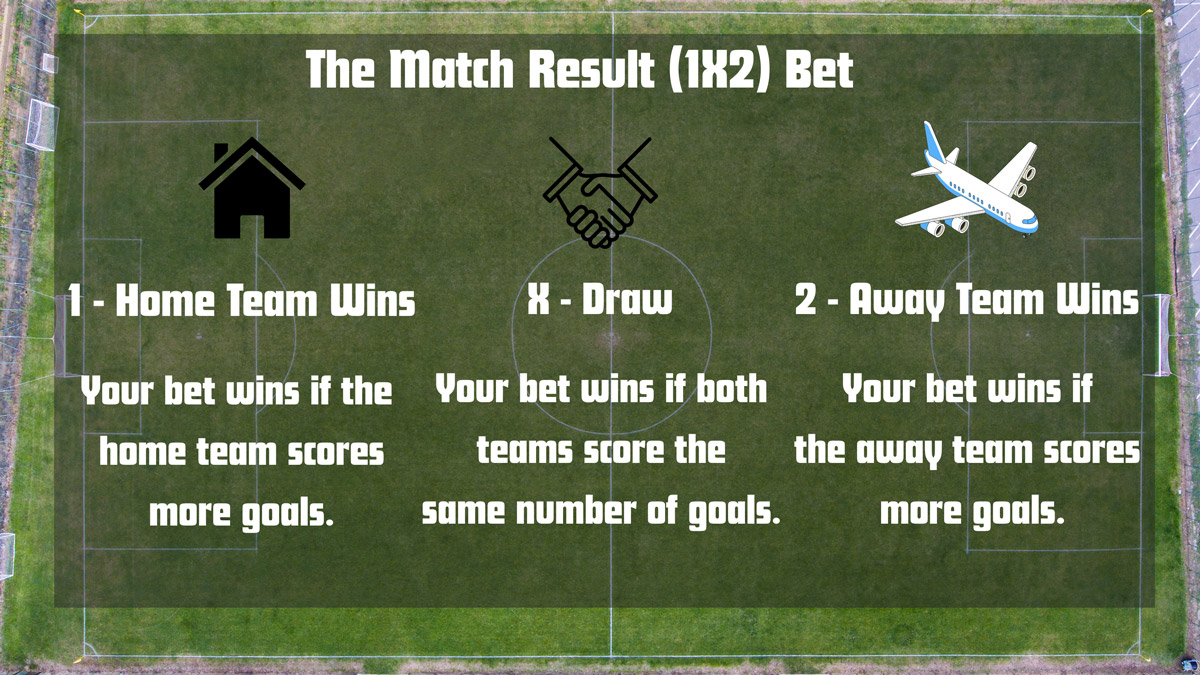
This is the most popular and straightforward bet in the world. You are simply betting on the final outcome of the match. There are only three possibilities:
- 1: The home team wins.
- X: The match ends in a draw.
- 2: The away team wins.
In the UK, this is known as ‘Match Result’ or ‘1X2’. It’s important to know that in US sports, you’ll often see this same bet called the ‘Moneyline’.
Over/Under Goals (Totals)
This market allows you to bet on the total number of goals scored in a match, without caring who wins or loses. The bookmaker sets a line, and you bet on whether the final goal tally will be over or under that line.
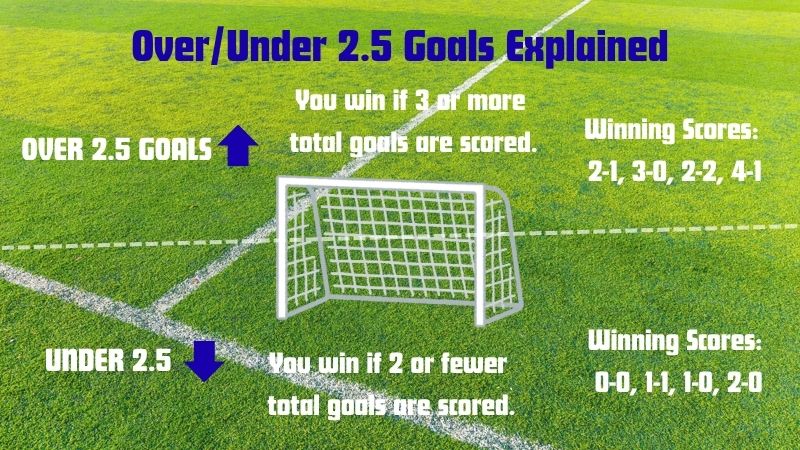
The most common line is Over/Under 2.5 Goals. The “.5” is used to ensure there are only two possible outcomes—there can never be half a goal, so your bet can’t be a draw.
- You bet on ‘Over 2.5’: You win if 3 or more goals are scored in total (e.g., 2-1, 3-0, 2-2).
- You bet on ‘Under 2.5’: You win if 2 or fewer goals are scored in total (e.g., 0-0, 1-1, 2-0).
Handicap Betting (The Spread)
Handicap betting is used when one team is a heavy favourite. To make the match more even from a betting perspective, the bookmaker gives the underdog a virtual “head start” (+) and the favourite a virtual “disadvantage” (-).
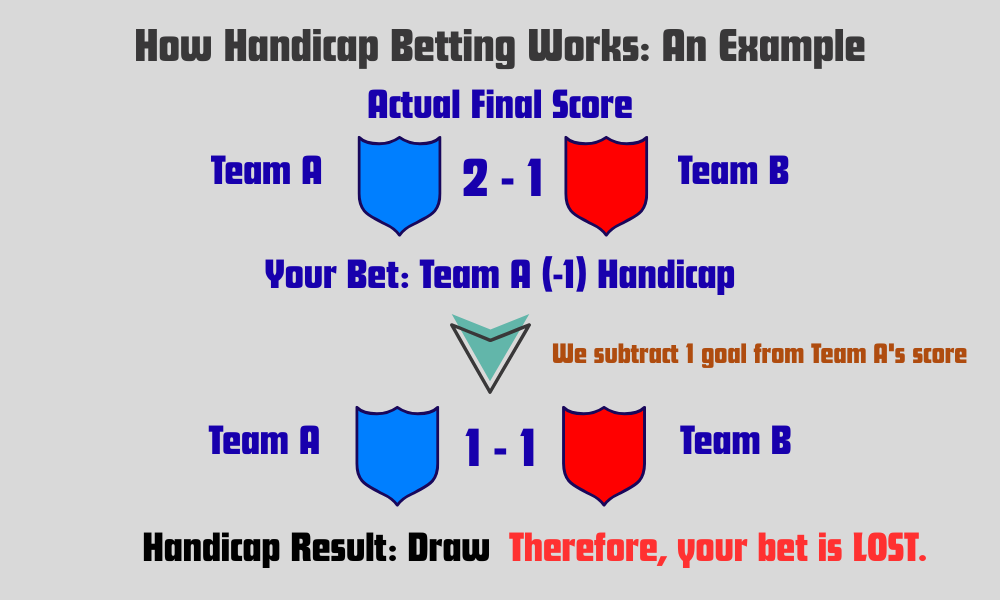
Let’s say you bet on Manchester United (-1). This means you are betting on them to win the match after one goal has been subtracted from their final score.
- If Man Utd win 2-0, the ‘handicap result’ is 1-0. Your bet wins.
- If Man Utd win 2-1, the ‘handicap result’ is 1-1 (a draw). Your bet loses.
- If Man Utd draw or lose, your bet also loses.
This type of bet is also widely known as ‘The Spread’, especially in American sports like the NFL and NBA.
H2: The Accumulator (Acca)
An accumulator is a high-risk, high-reward bet where you combine four or more selections from different events into a single wager. To win, all of your selections must be correct.
For example, you could combine:
- Manchester City to win.
- Arsenal to win.
- Liverpool vs Chelsea – Over 2.5 Goals.
- Tottenham to win.
The odds of each selection are multiplied together, meaning you can get a huge potential payout from a very small stake. However, if just one of those results doesn’t happen, your entire bet loses.
Both Teams to Score (BTTS)
This is another simple and very popular market. You are betting on a simple ‘Yes’ or ‘No’ outcome:
- BTTS – Yes: You win if both teams score at least one goal (e.g., 1-1, 3-1, 2-4).
- BTTS – No: You win if one or both teams fail to score (e.g., 0-0, 2-0, 0-3).
It doesn’t matter who wins the match, only whether both sides find the back of the net.
Conclusion: What’s Next?
You’ve now learned the rules for the most common betting markets. You can confidently look at a list of odds and understand what 1X2, Over/Under, Handicaps, Accumulators, and BTTS all mean. Mastering these basics is the first crucial step to betting smarter.
As you get more experienced, you might explore more advanced concepts like Value Betting or Betting Exchanges, but for now, focus on understanding these core types.
Conclusion: Pre-Match vs. In-Play
You’ve now learned the rules for the most common betting markets. You can confidently look at a list of odds and understand what 1X2, Over/Under, and Handicaps all mean.
These are the fundamental building blocks of betting. But all of these bet types exist in two very different environments: before the game starts (pre-match) and while it’s in progress. The latter, known as Live Betting, is a fast-paced world of its own with unique opportunities and risks. Understanding it is essential for any modern punter.
Read Next: An Introduction to Live Betting: A Beginner’s In-Play Guide