Borussia Dortmund Players Skip Stadium Showers After Champions League Win in Baku
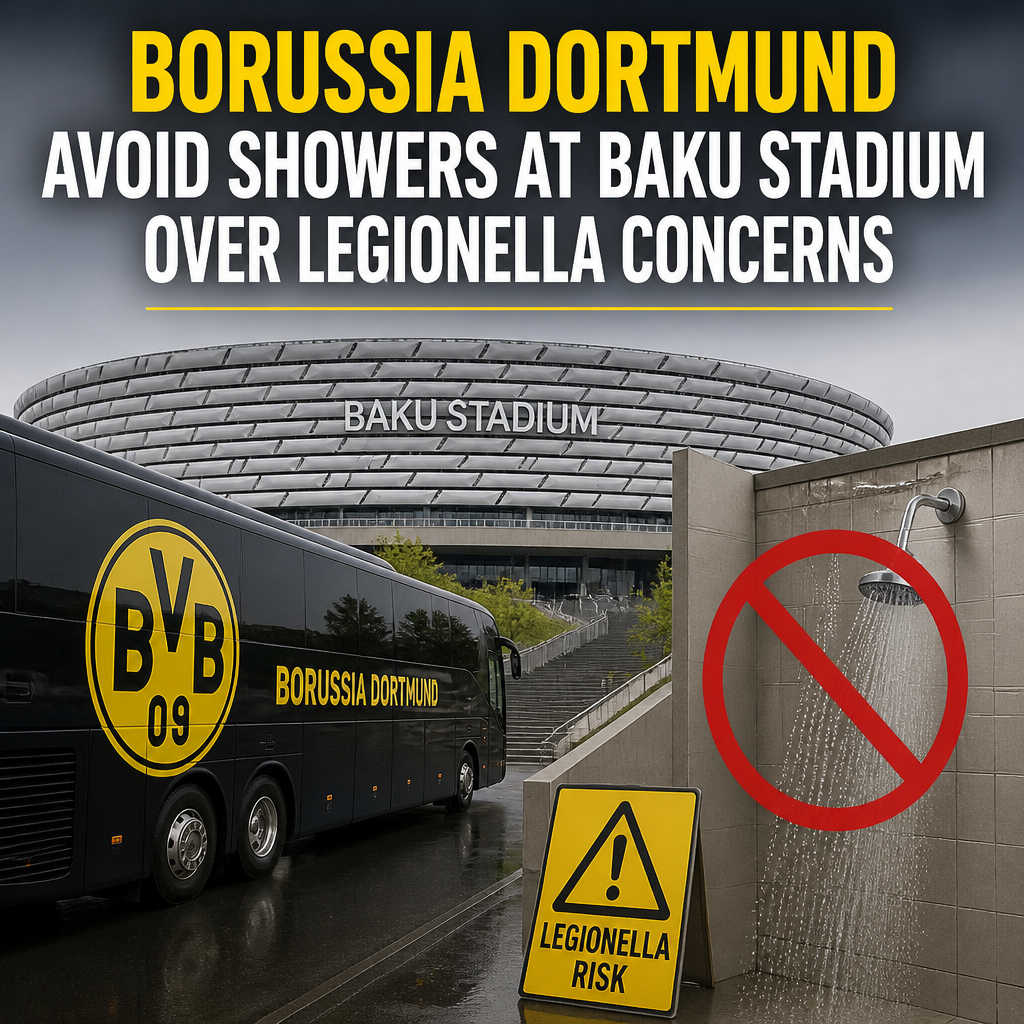
In a surprising turn of events following their 2–1 UEFA Champions League victory against FK Sabah on October 20, 2026, Borussia Dortmund players chose not to use the shower facilities at Baku Olympic Stadium. Instead, the team left the stadium still sweating in their match and training gear and boarded the team bus to head back to their hotel. The decision raised eyebrows among fans, commentators, and even their opponents.
The Decision to Avoid Showers
After the hard-fought victory, Borussia Dortmund players typically would freshen up in the stadium’s shower facilities before heading to their hotel. However, on this occasion, the team decided against using the showers altogether. According to reports, including those from Bild via Yahoo Sports, the club was concerned about potential health risks linked to the stadium’s water system.

The players’ decision was not made lightly. By skipping the post-game showers and changing later at their hotel, the club prioritized the health of its players over convenience. This unusual measure demonstrated Borussia Dortmund’s proactive approach to player welfare during international fixtures.
Health Concerns: Potential Legionella Risk
The root cause of Borussia Dortmund’s choice seems to be fears about Legionella bacteria contamination in the shower water system. Legionella bacteria are known to inhabit water systems and can cause Legionnaires’ disease, a severe form of pneumonia if inhaled from contaminated water aerosols.
Coach Niko Kovač addressed the situation by stating:
“We were told that we shouldn’t shower here.”
This advisory was not only followed on match day but was also observed after the team’s training session at the same venue the day before the match. The coaching staff’s emphasis on caution reflected the seriousness with which the club approached player health concerns.
Staff Comments on the Facilities
In addition to addressing the Legionella concerns, Borussia Dortmund’s sporting director Ole Book commented on their experience with the stadium’s amenities:
“The hotel facilities were simply more inviting.”
This suggests that beyond health issues, the players preferred relaxing and recovering in the comfort of their hotel. It’s a reminder of how crucial the right environment is in professional sports—both physically and mentally—for optimal recovery after such demanding matches.
Reaction from FK Sabah
Interestingly, the host team FK Sabah expressed confusion and surprise over Dortmund’s choice to avoid the stadium showers. Sabah players reportedly used the same facilities without incident.
This contrast highlights different risk perceptions or perhaps varied advice given to the two clubs regarding the stadium’s water system. It also raises questions about the consistency of facility maintenance and communication with visiting teams.
What Does This Mean for Future Matches?
Borussia Dortmund’s decision to forego showering on-site could set a precedent for other clubs playing at the Baku Olympic Stadium or similar venues where water quality is questionable. Clubs may demand clearer information from stadium management on hygiene standards and water safety to protect their players.
Summary
- Borussia Dortmund skipped showers post-match at Baku Olympic Stadium on October 20, 2026.
- The decision stemmed from health concerns about Legionella bacteria in the water system.
- Coach Niko Kovač confirmed the club acted on advice not to shower at the venue.
- Sporting director Ole Book preferred the hotel’s more inviting facilities.
- FK Sabah players used the showers without issues, expressing confusion at Dortmund’s precaution.
- The incident raises broader questions about stadium upkeep and visiting teams’ safety worldwide.
Borussia Dortmund demonstrated a commendable commitment to player safety by avoiding potentially risky facilities after their hard-fought Champions League win. This episode underscores the unseen challenges teams can face during international competitions and the importance of cautious decision-making off the pitch.