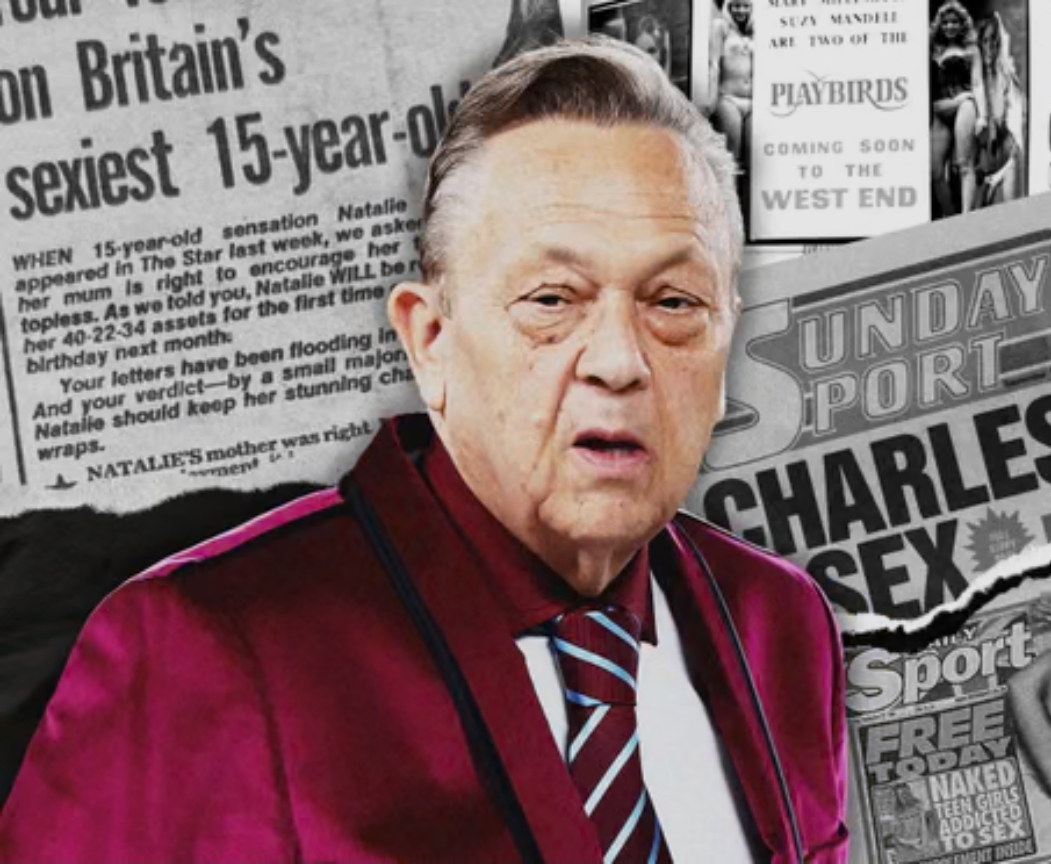
David Sullivan’s £150m Lawsuit Against the BBC: What You Need to Know
In October 2026, David Sullivan, co-owner of Premier League club West Ham United, filed a £150 million libel and malicious falsehood lawsuit against the BBC. This high-profile legal action has captured widespread media attention, following a controversial BBC Panorama documentary that aired earlier that year.
The Background of the Lawsuit
The dispute stems from a Panorama documentary titled “Predator: The Billionaire Football Boss,” which aired in early 2026. This investigative program focused on serious allegations made by seven women against David Sullivan. The women accused Sullivan of sexual misconduct and abuse of power, relating to his past roles managing adult and sports newspapers during the 1980s and 1990s.
- The documentary detailed the allegations in-depth, highlighting claims of inappropriate behavior linked to Sullivan’s influence.
- The program raised significant public and media concern, putting Sullivan’s reputation under intense scrutiny.
Sullivan’s Response and Denial
David Sullivan has categorically denied all of the allegations featured in the documentary, maintaining that the claims are baseless and false. Despite the public backlash, Sullivan insisted on his innocence and criticized the BBC for what he described as irresponsible journalism.

The Fallout for West Ham United
Following the broadcast and the increased pressure:
- An inquiry by the Independent Football Regulator was launched to assess Sullivan’s suitability to hold an influential role within football governance.
- Amid the ongoing controversy, Sullivan made the significant decision to resign from his roles as co-chairman and director of West Ham United.
- His resignation marked a major shift within the club’s leadership and underscored the seriousness of the allegations in the public eye.
The Lawsuit: Allegations of Defamation and Financial Harm
Sullivan’s lawsuit against the BBC alleges that the Panorama documentary caused catastrophic damage to multiple areas of his life, including:
- His personal and professional reputation
- His financial standing and relationships with banking institutions
- The trust and goodwill he had developed over decades in the business and sports sectors
The suit claims that the BBC acted with malice and knowingly broadcast falsehoods, which led to his severe personal and economic losses.
What This Means for Media and Public Figures
This case has broader implications beyond just Sullivan and the BBC:
- It highlights the risks and responsibilities for media outlets when reporting on allegations against powerful individuals.
- The lawsuit has sparked debates on the balance between investigative journalism and the protection of an individual’s reputation.
- For public figures, particularly in sports and business, it underscores the potential consequences of media scrutiny and the legal avenues available in response.
Current Status and What to Watch For
As of late 2026:
- The High Court case is ongoing, with both sides preparing for what promises to be a prolonged and closely watched legal battle.
- The outcome of this lawsuit could influence future standards in both journalism and libel law, especially involving high-profile cases.
Conclusion
David Sullivan’s £150 million lawsuit against the BBC is a landmark case that encapsulates modern challenges at the intersection of media, law, and reputation. It serves as a reminder of the power of investigative journalism and the serious implications such reporting can have on individuals’ lives and careers. As the legal proceedings continue, both football fans and media watchdogs will be paying close attention to the developments and the eventual verdict.