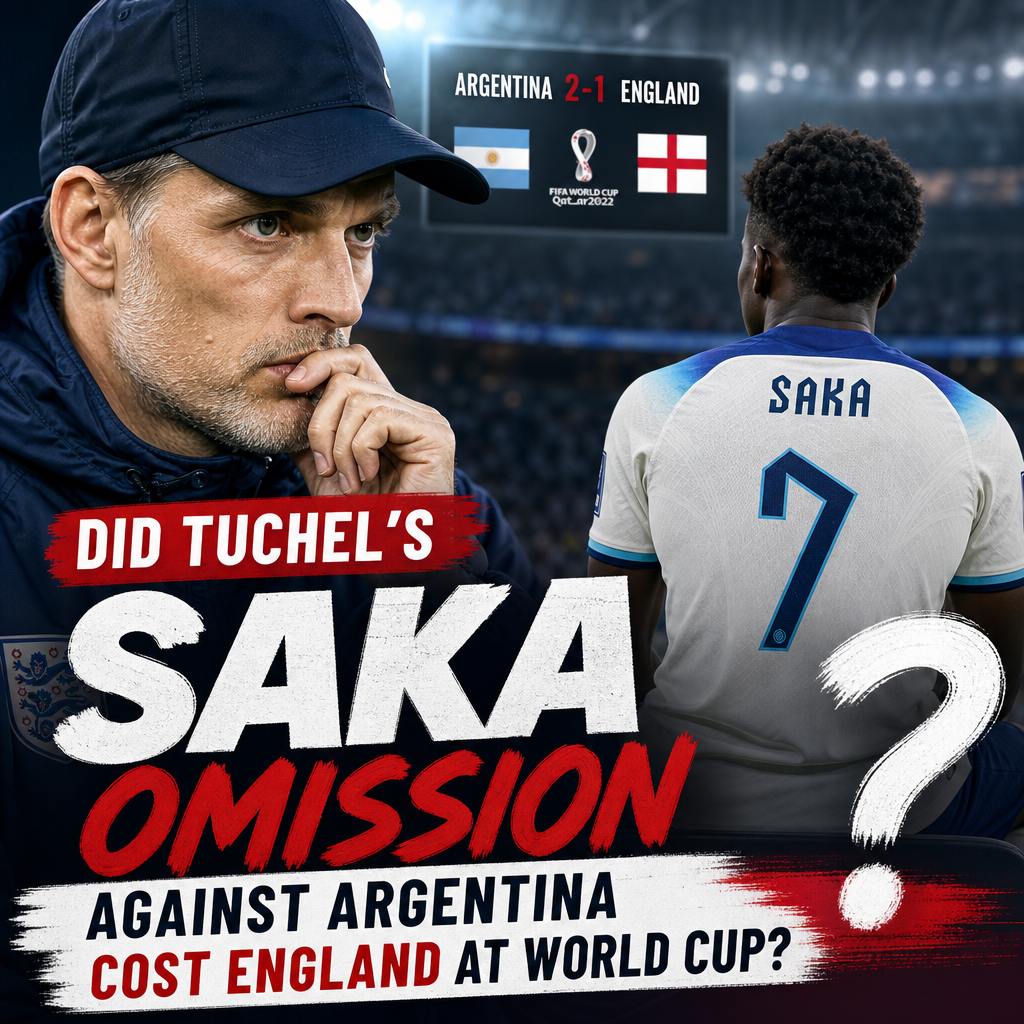
Analysis: Is Tuchel’s Saka Call vs Argentina His Biggest Mistake?
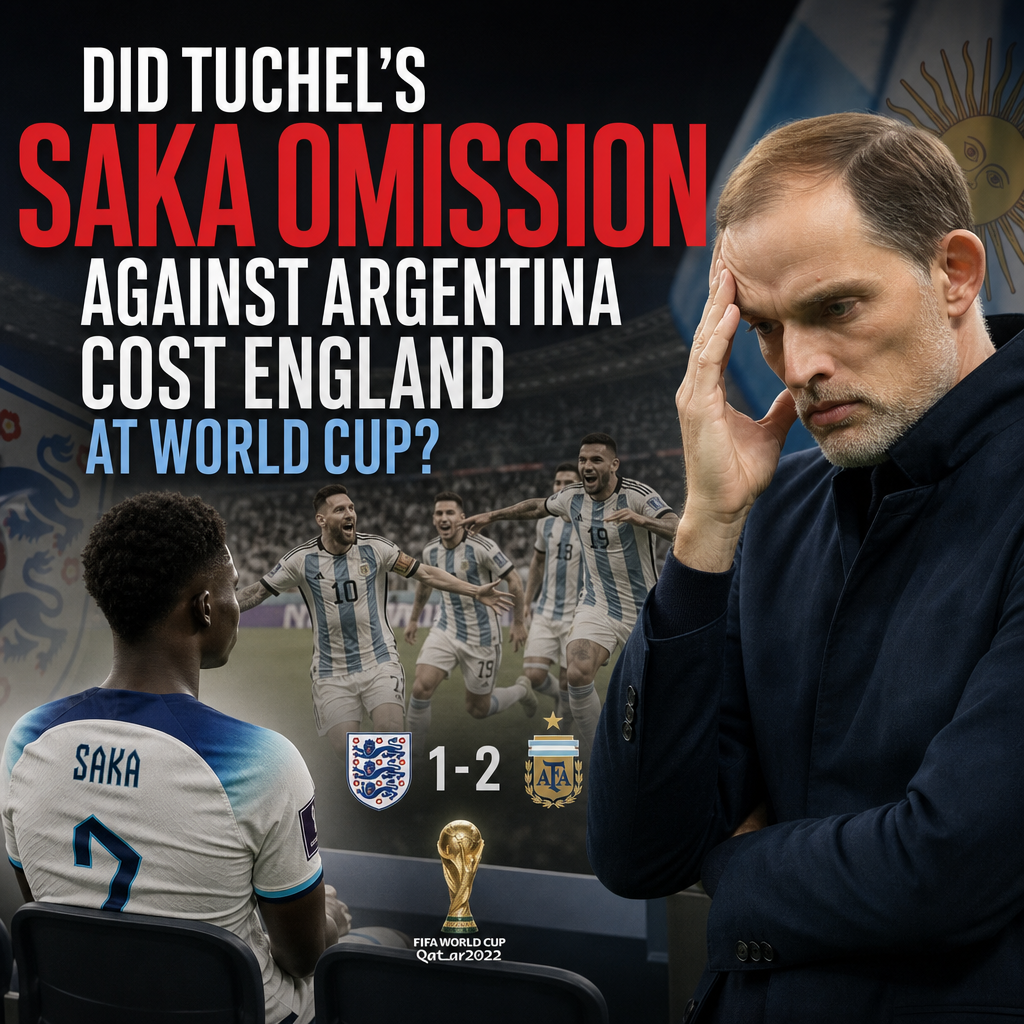
England’s run to the bronze medal at the World Cup marked the nation’s best performance since 1966. Under new manager Thomas Tuchel, the team delivered a thrilling 6-4 victory over France, showcasing exciting talent and grit. However, despite these accomplishments, several tactical decisions, especially regarding player selection, have sparked debate. Central to this conversation is Tuchel’s choice not to start Bukayo Saka in the crucial semi-final against Argentina.
Saka’s Role in England’s World Cup Journey
Bukayo Saka entered the tournament as England’s standout player on the right wing. His season at Arsenal, while taxing due to injury, still highlighted his importance. Despite a subdued performance in the Champions League final and persistent injury issues affecting the final months of the club season, Saka continued to be an offensive threat for England.

- Injury management: Saka missed starting the first two group stage matches because of a nagging problem.
- Impact performance: When on the pitch, he made his influence felt, racking up three assists in just 192 minutes.
- Key player status: Behind Harry Kane and Jude Bellingham, Saka remained England’s best and most experienced forward.
Tuchel himself described Saka as a “key player” following the victory over France, underscoring the winger’s importance to the team’s overall strategy.
The Controversial Omission Against Argentina
Despite Saka’s status and contributions, Tuchel opted not to start him in the semi-final. Instead, the squad relied on alternatives like Marcus Rashford and Bukayo Rogers, with Rogers notably assisting Anthony Gordon’s goal. Yet the question lingers — would starting Saka have changed the outcome?
Why Saka Should Have Started
Saka’s attributes make him a valuable asset, particularly:
- Ball-carrying ability: His dynamic runs can break opposition lines, crucial in high-pressure knockout games.
- Counter-attacking threat: England needed quick transitions against Argentina’s defensive setup.
- Defensive resilience: His Arsenal experience taught him how to contribute defensively, a necessity in matches where control is critical.
While the Argentine defeat was a collective disappointment with multiple tactical shortcomings, many believe Saka’s presence could have added the creative spark and pace England needed in that tight contest.
Beyond the Saka Decision: Other Tactical Concerns
The semi-final was not the only moment during the tournament where Tuchel’s choices came under scrutiny.
- Late-game vulnerability: For the second game running, England were hanging on nervously in the final 15 minutes.
- Defensive frailties: The team struggled to maintain leads, notably collapsing from 4-0 down to 4-3 against France before securing a narrow win.
- Risk management: Questions remain about defensive setups and substitutions that may have allowed opposing teams back into games without sufficient resistance.
Although some aspects can be attributed to player errors or fatigue, the aggregate evidence suggests that Tuchel’s defensive game management has room for significant improvement.
What This Means for Tuchel’s England Future
Despite the bronze medal milestone, Tuchel’s World Cup debut as England manager has not been entirely smooth. His decision-making, particularly regarding Saka and defensive strategies, reflects a balancing act between managing a squad and adapting to the pressures of the tournament stage.
- Regret and reflection: Tuchel has openly acknowledged regrets, particularly about not starting Saka in the semi-final.
- Team evolution: This tournament is a foundation; lessons learned will shape squad selections and tactical approaches.
- Next steps: England’s path forward depends on addressing defensive frailties and fully harnessing talents like Saka to maximize creative options.
Conclusion
Thomas Tuchel may have delivered England’s best World Cup performance in over five decades, but his decision to leave Bukayo Saka out of the starting lineup against Argentina remains a significant talking point. While that single change may not have guaranteed victory, the evidence suggests Saka’s qualities could have tipped the balance in a fiercely contested match.
Tuchel’s journey with England is just beginning. If the team can learn from these tactical debates, especially around key players like Saka, the next phase of their development looks promising. Until then, the question stands: was omitting Saka in that moment Tuchel’s biggest mistake? The answer might lie in future decisions and how England build on this historic World Cup.