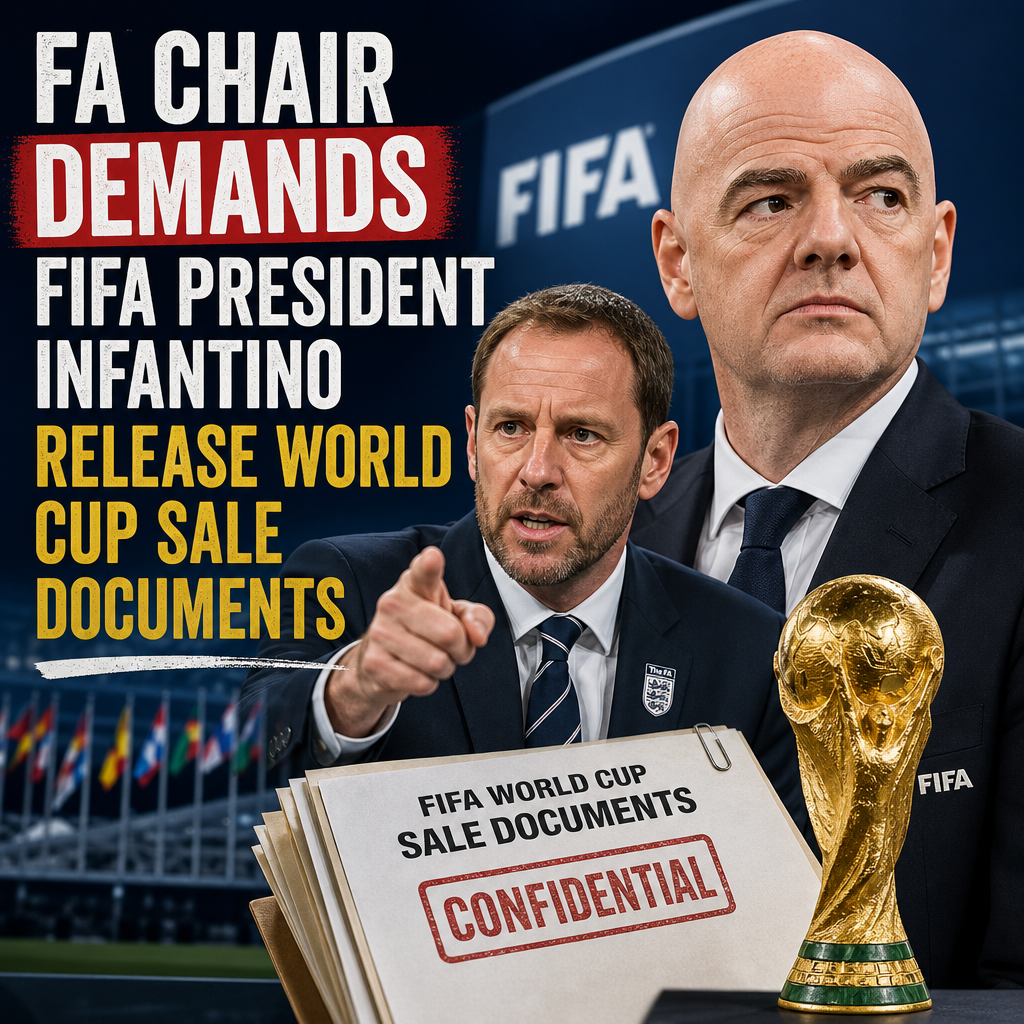
FA Chair Demands Full Disclosure from FIFA on Controversial World Cup Investment Plan
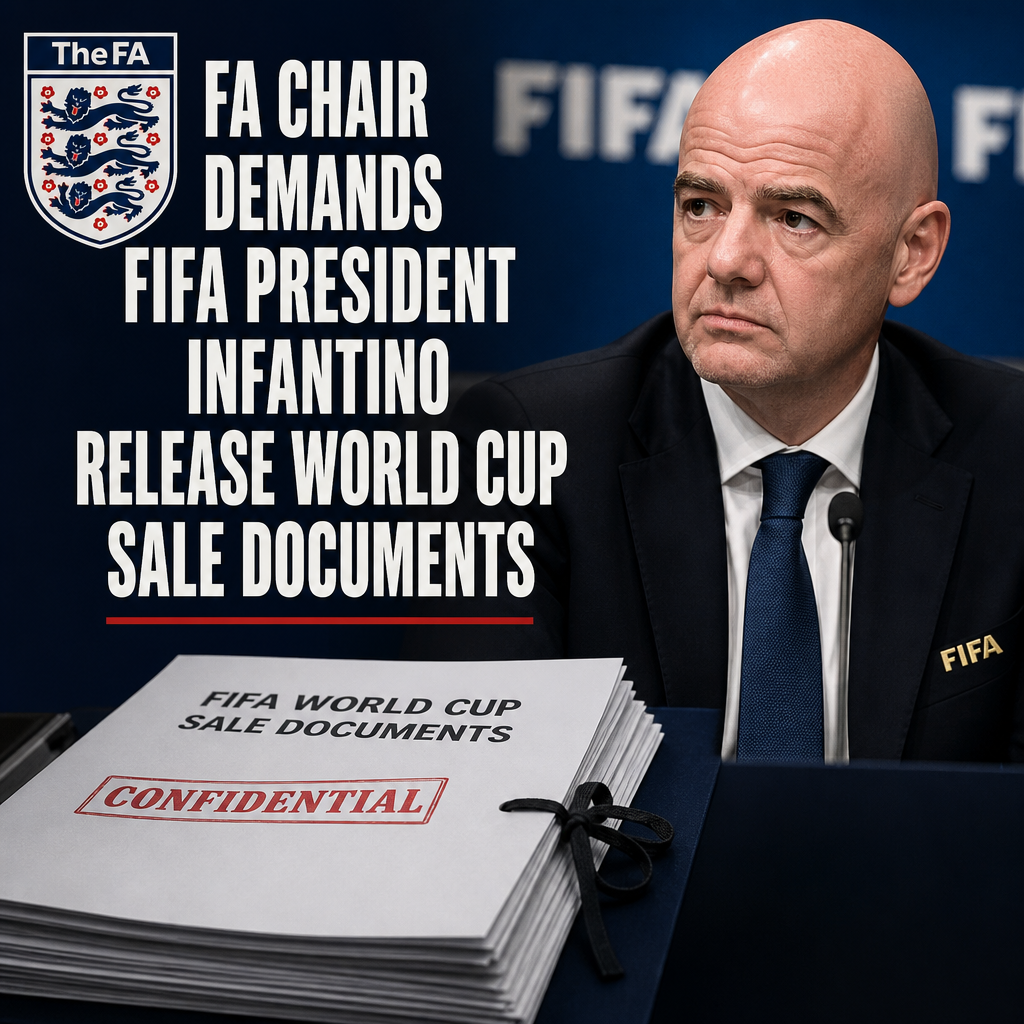
The chair of the English Football Association (FA), Debbie Hewitt, has publicly called on FIFA president Gianni Infantino to release all documentation related to the abandoned plan to sell a stake in the World Cup to private investors. This controversial proposal sparked fierce opposition across the footballing world, prompting UEFA to threaten a boycott of all FIFA competitions until the plan was withdrawn.
Background: The Abandoned Private Investor Plan
Earlier this year, FIFA unveiled a proposal to open up the World Cup to private investment. This would have represented a significant shift in the governance and financing of the tournament, allowing financial stakeholders outside traditional football bodies to buy stakes in the event. The backlash was swift and widespread:

- European football body UEFA vehemently opposed the plan.
- Many clubs, players, and fans criticized the move as a threat to the integrity of the sport.
- Under intense pressure, FIFA quickly shelved the proposal.
Despite the withdrawal, lingering questions remain over the transparency and decision-making process behind the plan.
The FA Chair’s Call for Transparency
Debbie Hewitt, who holds the dual role of FA chair and FIFA vice-president as well as a member of the FIFA Council, has stepped forward to demand accountability. She has formally written to Gianni Infantino requesting:
- The full release of all documents and communications related to the private investor scheme.
- Disclosure of information concerning the suspension of a ban imposed on US striker Folarin Balogun during the recent World Cup, which reportedly followed a phone call from then-US President Donald Trump to Infantino.
Hewitt’s request is aimed at ensuring all FIFA Council members have access to critical information ahead of the next Council meeting scheduled for October 15th.
FIFA’s Response and Continued Uncertainty
In August, Infantino issued an apology regarding the poor handling of the private investor proposal. FIFA’s management board subsequently issued a statement pledging a comprehensive review. However, there remain unresolved issues:
- FIFA has not publicly confirmed who is leading the investigation into the failed scheme.
- No timeline has been released for when the review will be completed.
- Complete transparency and accountability have yet to be achieved.
UEFA’s Reaction and Legal Actions
UEFA, the European governing body for football, has openly expressed its dissatisfaction with Infantino’s leadership:
- UEFA claims it has “lost confidence” in Infantino.
- The organization has taken legal steps in the US court system, seeking access to documents concerning the private investor plan.
- UEFA is actively preparing to challenge Infantino’s leadership by identifying credible candidates for the FIFA presidential election.
The Upcoming FIFA Congress and Leadership Challenge
Infantino recently confirmed his intention to seek re-election at the FIFA Congress scheduled for March next year. With UEFA’s deadline for candidate submissions set for November 18th, the next few months are critical for the future direction of FIFA.
Why This Matters
The controversy over the abandoned World Cup stake sale and the Balogun ban suspension phone call highlights several key issues within international football governance:
- Transparency: Stakeholders demand clarity about decision-making processes that affect the sport globally.
- Integrity: Football organizations must uphold the integrity of competitions and resist undue external influence.
- Accountability: FIFA leadership is under pressure to answer questions and ensure responsible governance.
As the FA chair presses for full disclosure, the football world watches closely to see whether FIFA can restore trust and move forward.
In conclusion, Debbie Hewitt’s call for the release of all documentation related to the World Cup private investor plan and the Balogun case underscores the ongoing challenges FIFA faces around transparency and governance. With UEFA’s mounting legal pressure and an impending election for the FIFA presidency, the coming months will be decisive for shaping the future of international football administration.