FIFA Leadership Apologises Amid Controversy Over Private Investment Plan
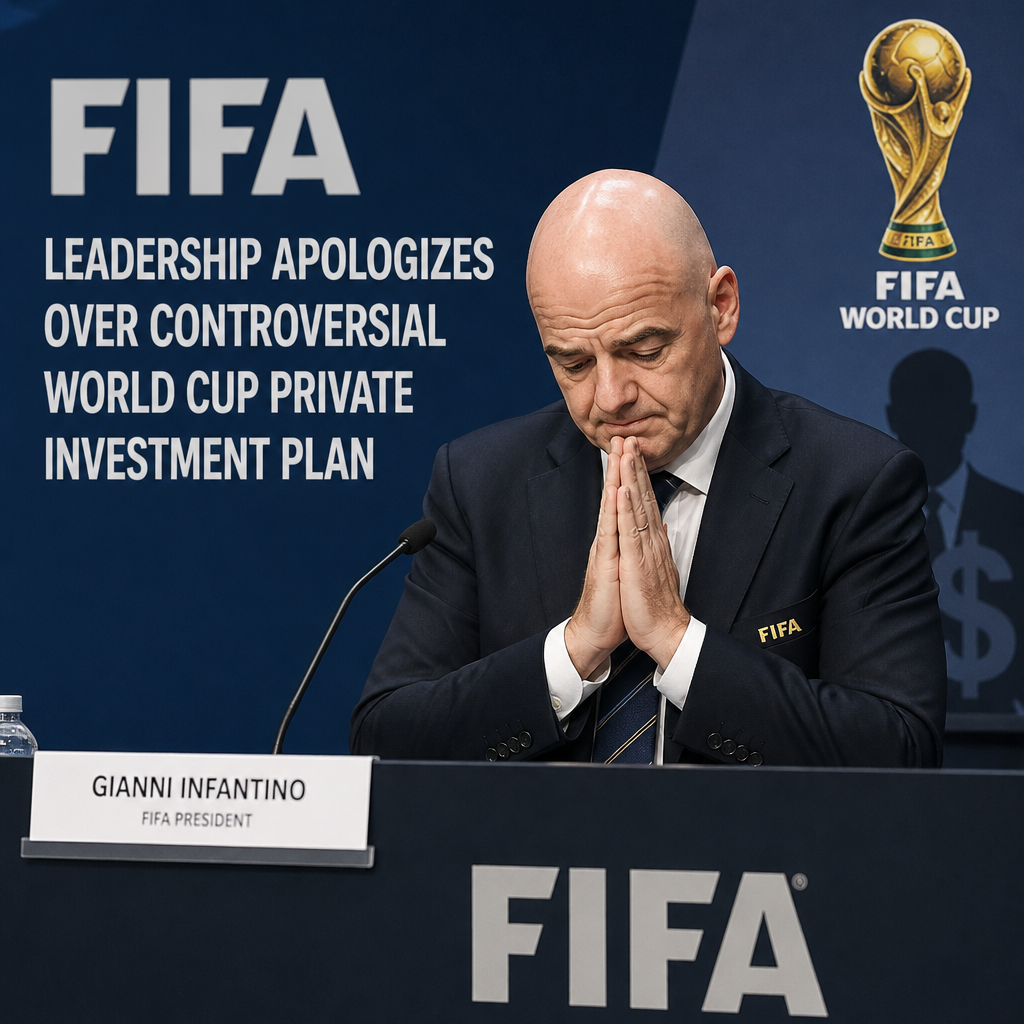
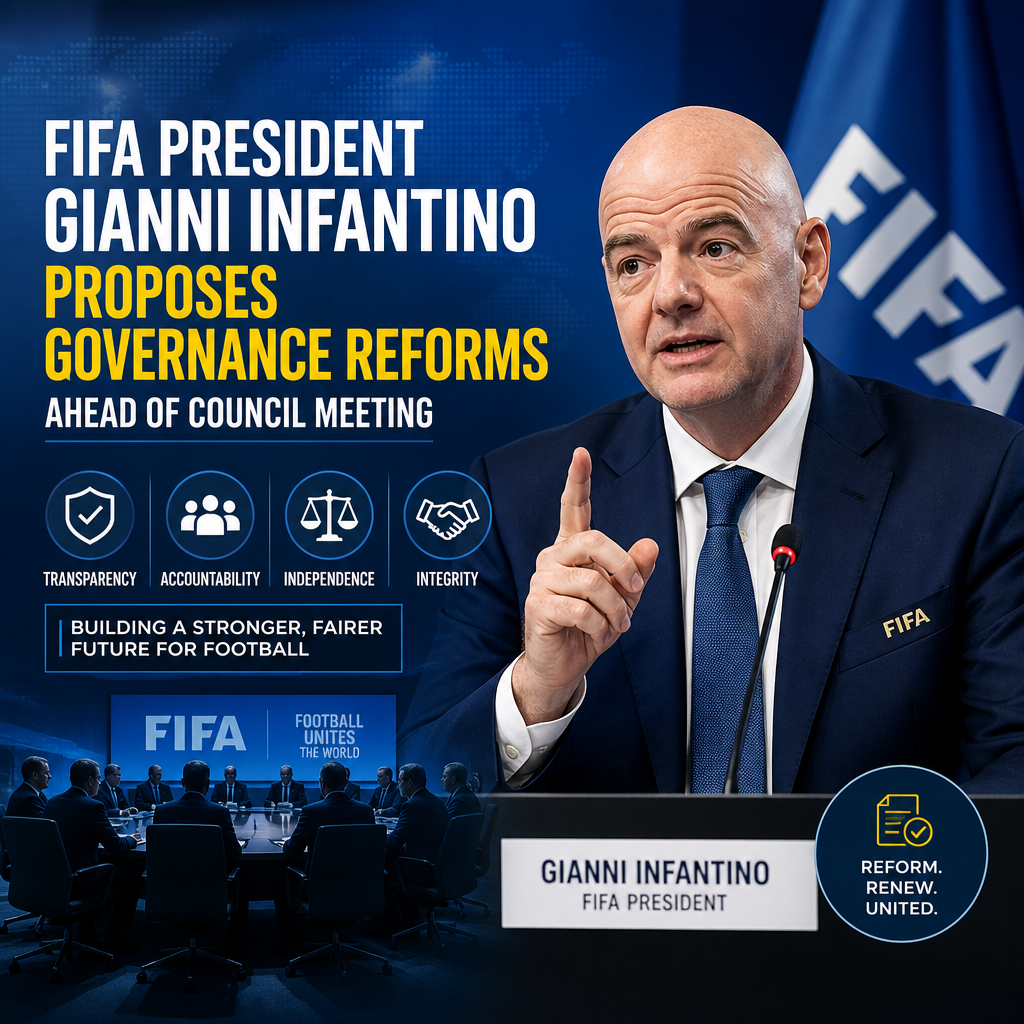
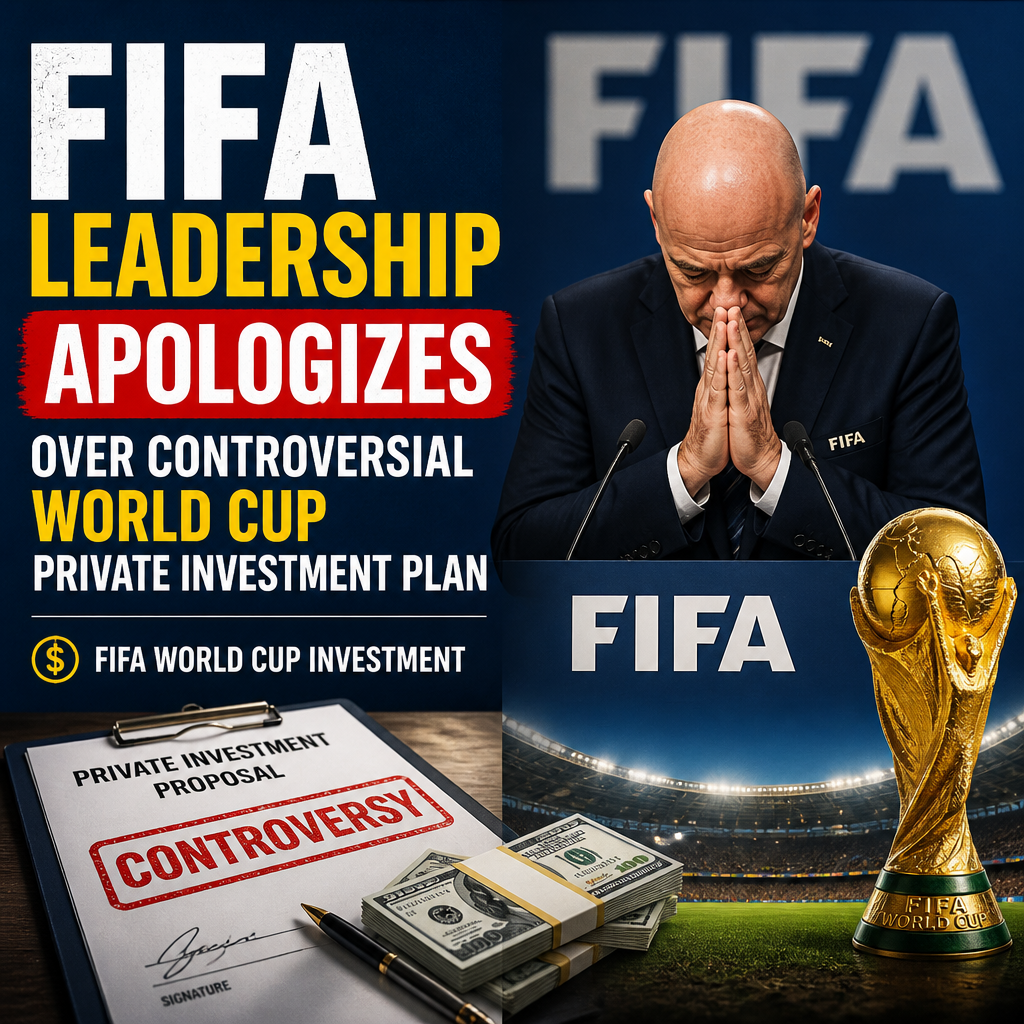
FIFA’s leadership issued a formal apology on Wednesday following widespread backlash over a contentious proposal to open the World Cup to private investment. Despite the criticism, they reaffirmed their full support for FIFA President Gianni Infantino, even as calls for his resignation intensify.
The Controversial Proposal
At the heart of the controversy was FIFA’s plan to create a new commercial entity—FIFA Forward Enterprise (FFE)—valued at $20 billion. This subsidiary would oversee major football events including the World Cup and the Club World Cup, with the goal of attracting private investment.

According to FIFA, the plan could potentially:
- Raise up to $4.2 billion in funding
- Provide a one-off payment of $20 million to each of FIFA’s 211 member associations in early 2027
- Increase funding allocations for each member from $8 million to $20 million for the 2027–2030 period
The proposal was initially pitched as a means to bring substantial financial benefits to global football bodies.
Backlash and Fallout
However, the reaction to the plan was overwhelmingly negative. Instead of smoothing relations and offering financial incentives, it ignited fierce opposition — especially from UEFA, European football’s governing body. UEFA’s response was drastic: they threatened to boycott the upcoming World Cup, the most prestigious event in world football.
This strong opposition put significant pressure on FIFA leadership and President Gianni Infantino. Internal dissent grew, with some voices within FIFA questioning Infantino’s leadership and demanding he step down over how the proposal was handled and subsequently leaked to the media.
FIFA’s Official Statement and Apology
In the wake of the controversy, FIFA’s leadership convened a meeting in Rabat, Morocco. Following this gathering, they released a statement to clarify their position and apologize for missteps:
“FIFA’s leadership acknowledges that errors were also made after the proposal was leaked to media. Following a meeting in Rabat, Morocco, the FIFA Secretary General and members of the FIFA Management Board in attendance reaffirmed their full support for FIFA President Gianni Infantino, as the only official elected by the 211 FIFA Member Associations.”
This statement emphasized a commitment to unity and transparency, aiming to restore trust within the football community.
Infantino Withdraws the Plan
Faced with an escalating crisis, Gianni Infantino formally withdrew the FFE proposal last Saturday. In doing so, he admitted the misjudgment but stressed that his vision for FIFA remains focused on improving and uniting the sport globally:
“Our purpose has always been—and will always be—to unite and improve.”
Despite this, the episode has left lingering questions about governance, transparency, and the future direction of FIFA.
What This Means for FIFA and World Football
The fallout from the private investment plan highlights the complexity of managing football’s global ecosystem. The episode underscores several key takeaways:
- Governance Sensitivity: Transparency and consensus within FIFA and its member associations are critical when proposing plans that fundamentally alter football’s commercial landscape.
- Member Association Interests: Any financial reform must balance the varied interests of national football bodies worldwide, rather than focusing exclusively on commercial gain.
- Leadership Scrutiny: Gianni Infantino’s leadership is under increased scrutiny, with calls for reform and accountability within FIFA growing louder.
Looking Ahead
While the FFE plan is on hold indefinitely, FIFA will likely continue exploring ways to boost investment and funding for member associations. However, future initiatives must be introduced with greater caution, inclusiveness, and clear communication to prevent similar controversies.
The commitment to uniting global football remains paramount, and lessons learned from this episode may shape FIFA’s strategic approach in the years to come.
FIFA’s apology and reaffirmation of support for Gianni Infantino mark a pivotal moment as the organisation seeks to navigate the delicate balance between innovation and tradition in football governance. Fans, players, and stakeholders worldwide will be watching closely to see how FIFA rebuilds trust and advances the beautiful game in a sustainable and equitable way.