On May 27, 2015, plainclothes Swiss police, acting on behalf of the FBI, descended upon a luxury hotel in Zurich and emerged with some of the most influential figures in global soccer. This dramatic raid was the culmination of an intense, multi-year investigation by the U.S. Justice Department into corruption within the sport. The resulting indictments shook the soccer world to its core and precipitated the downfall of FIFA President Sepp Blatter, who had held the position for 17 years. Now, nearly a decade later, Blatter remains a controversial figure in the sport, especially as he criticizes his successor, Gianni Infantino, for his political engagements and leadership style.
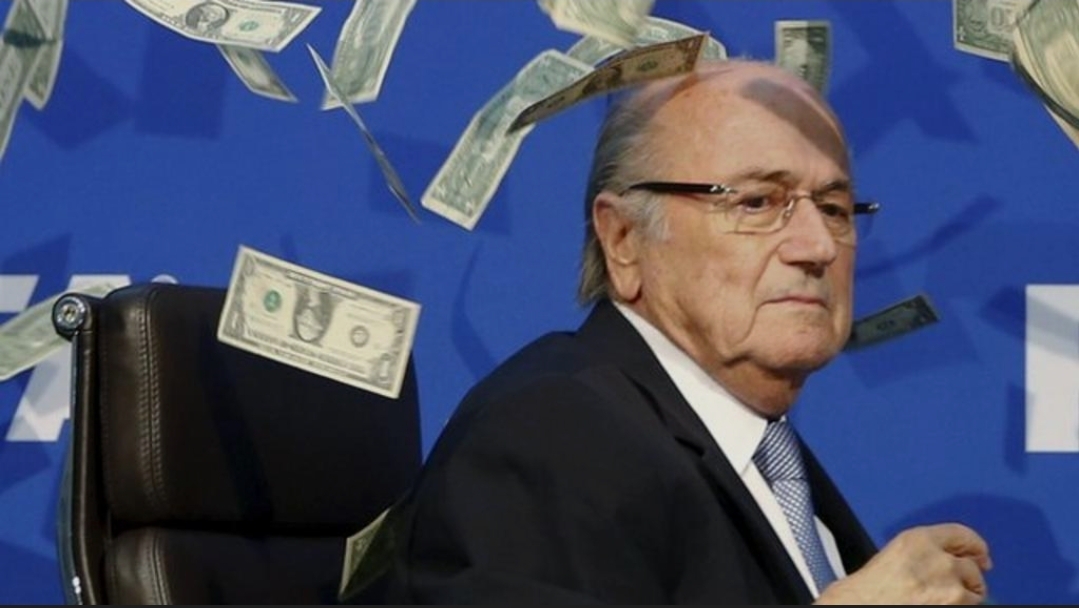
The End of an Era: The 2015 FIFA Raids and Blatter’s Downfall
The events of May 27, 2015, marked a turning point for FIFA, the sport’s most powerful governing body. Swiss law enforcement, cooperating with the FBI, arrested several high-ranking officials in a luxury Zurich hotel. These arrests exposed widespread corruption, including bribery, racketeering, and money laundering, implicating some of the game’s top executives. The U.S. Justice Department’s indictments forced Blatter to resign, ending his nearly two-decade reign and opening a new chapter for FIFA.
Despite facing a suspension from all official soccer activities, Sepp Blatter was acquitted of fraud charges in a Swiss court ruling upheld in 2023. However, he has remained vocal, recently emerging as a sharp critic of Gianni Infantino, who stepped into the presidential role following Blatter’s exit.

Gianni Infantino’s Leadership Style Under Scrutiny
Blatter’s assessment of Infantino’s leadership paints a picture of a president who operates like an isolated monarch. Infantino has been described as a leader who avoids casual interactions with FIFA staff, refusing greetings and even solitary elevator rides alongside colleagues. This behavior, critics argue, fosters an atmosphere of detachment and control within FIFA’s headquarters.
But where Infantino seems most publicly engaged is international politics, particularly in his courted relationship with former U.S. President Donald Trump. Infantino’s alliances have sparked intense debate within and outside the world of football, especially given FIFA’s strict rules about political neutrality.
Controversy Over Infantino’s Relationship with Donald Trump
Infantino’s recent activities, including participation in Trump’s inaugural Board of Peace while donning a red USA baseball cap, have raised eyebrows. Shortly before that, he awarded Trump a specially created FIFA Peace Prize, a move that many perceived as politicizing a traditionally neutral organization. Opponents within FIFA and beyond argue that this directly contradicts FIFA’s foundational principles.
Blatter himself criticized this alignment with Trump as “submissive.” He suggested that Infantino’s gestures toward Trump are driven by financial and political dependence, particularly concerning Saudi Arabia’s involvement. Saudi Arabia’s billion-dollar investment in FIFA’s Club World Cup and its hosting of the 2034 World Cup underpin FIFA’s reliance on Middle Eastern funding. According to Blatter, Infantino’s relationship with Trump might be a strategic play to gain influence, potentially softening U.S. policies detrimental to FIFA’s interests. However, to date, there is no evidence Infantino has successfully swayed Trump’s controversial policies.
The World Cup Boycott Debate
In light of Infantino’s closeness to Trump, campaigns to boycott the upcoming World Cup have emerged. Critics argue that such political entanglements compromise the integrity of the tournament and question whether fans and players should participate under these circumstances.
Blatter has explicitly voiced opposition to any boycott. He emphasizes football’s core protagonists—the players—and their overwhelming desire to compete. He warns that excluding entire associations from the tournament would be wildly unpopular and risk alienating billions of fans worldwide. From his perspective, football transcends politics, and the World Cup should remain a unifying global event.
Looking Ahead: FIFA’s Political Balancing Act
The FIFA scandal of 2015 forever altered the world of soccer governance, breaking years of silence around corruption and mismanagement at the top. As FIFA moves forward under Infantino’s leadership, the tensions between maintaining political neutrality and engaging with powerful international figures remain apparent.
Blatter’s criticisms underscore the challenges FIFA faces as it navigates the complex intersections of sports, politics, and finance. While Infantino pursues funding and influence from global leaders like Trump and Saudi Arabia, the global football community watches closely, debating the true cost of these relationships.