A Week is a Long Time in Football Politics
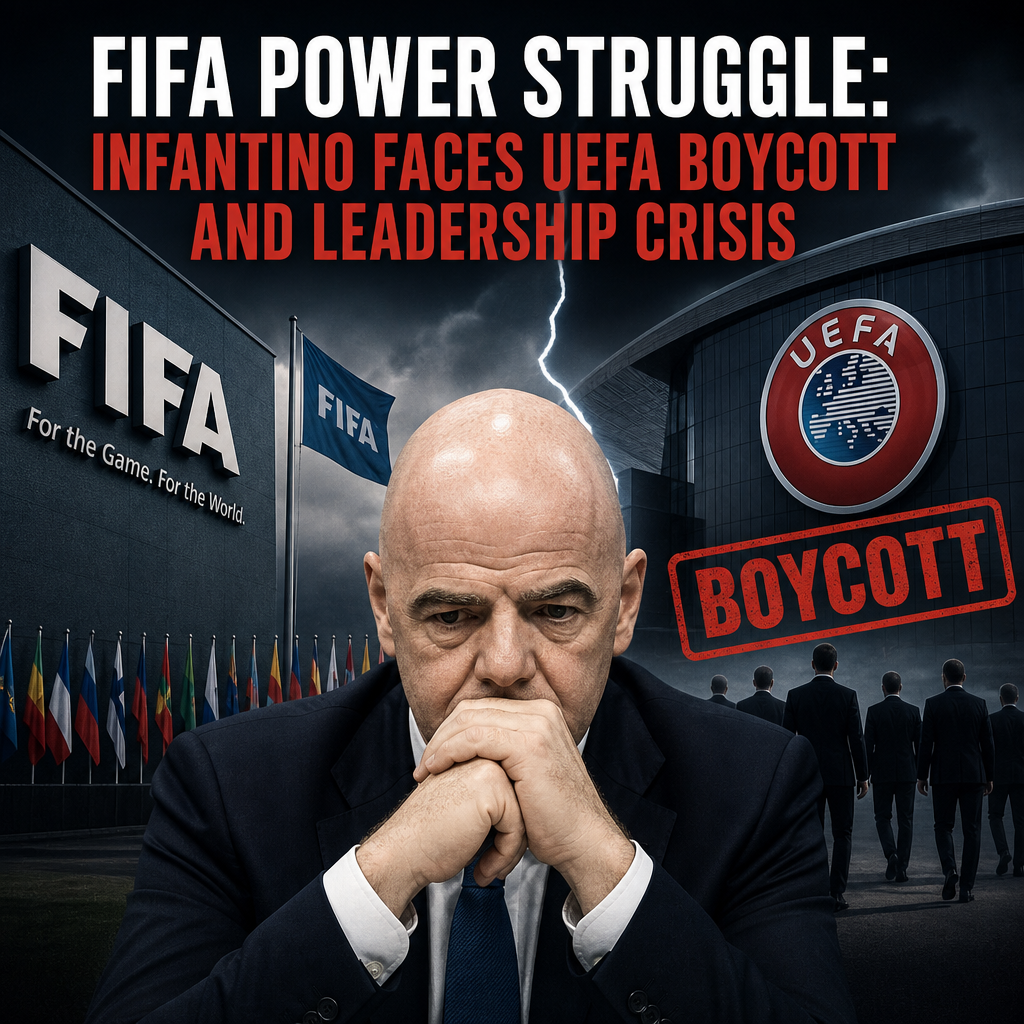
In the world of football, where power, influence, and money intertwine, the saying “a week is a long time in politics” has never been more apt. The recent developments surrounding Gianni Infantino, the president of FIFA, illustrate just how quickly fortunes can change in the highest echelons of the game’s governance.
Infantino’s Once-Unshakable Position
Just a week ago, Gianni Infantino was widely seen as an impregnable figure in world football politics. As the president of FIFA, he held arguably the most powerful job in the sport. His influence extended globally, shaping major tournaments like the World Cup and steering the future of football on multiple continents.

Infantino’s tenure was marked by ambition and sometimes controversy, but his grip on power appeared solid. The support of regional football bodies and influential allies seemed to guarantee his position for the foreseeable future.
The Controversy That Shook FIFA
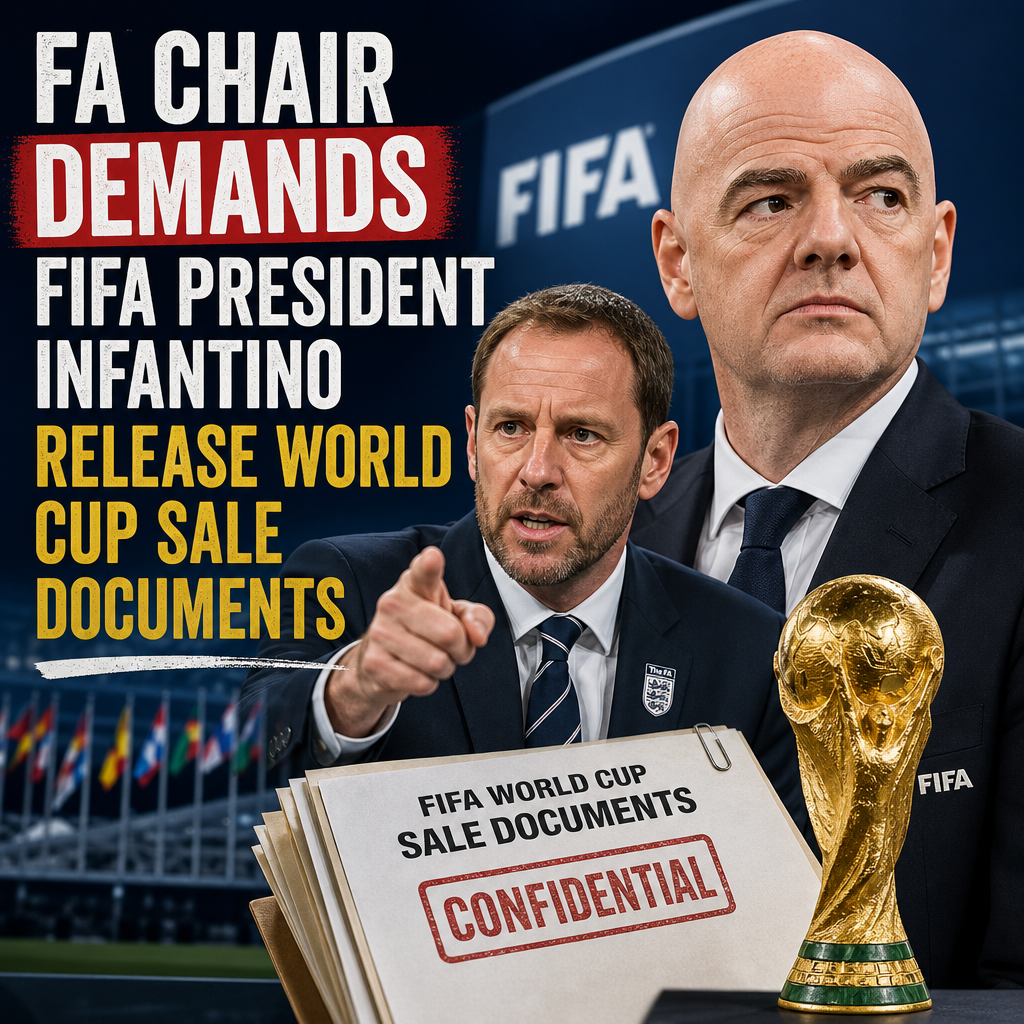
Everything changed dramatically when news broke that Infantino was attempting to sell stakes in FIFA competitions to private investment firms. What made this revelation explosive was the apparent secrecy: it allegedly occurred without the full knowledge or consent of the FIFA Council or the broader football community.
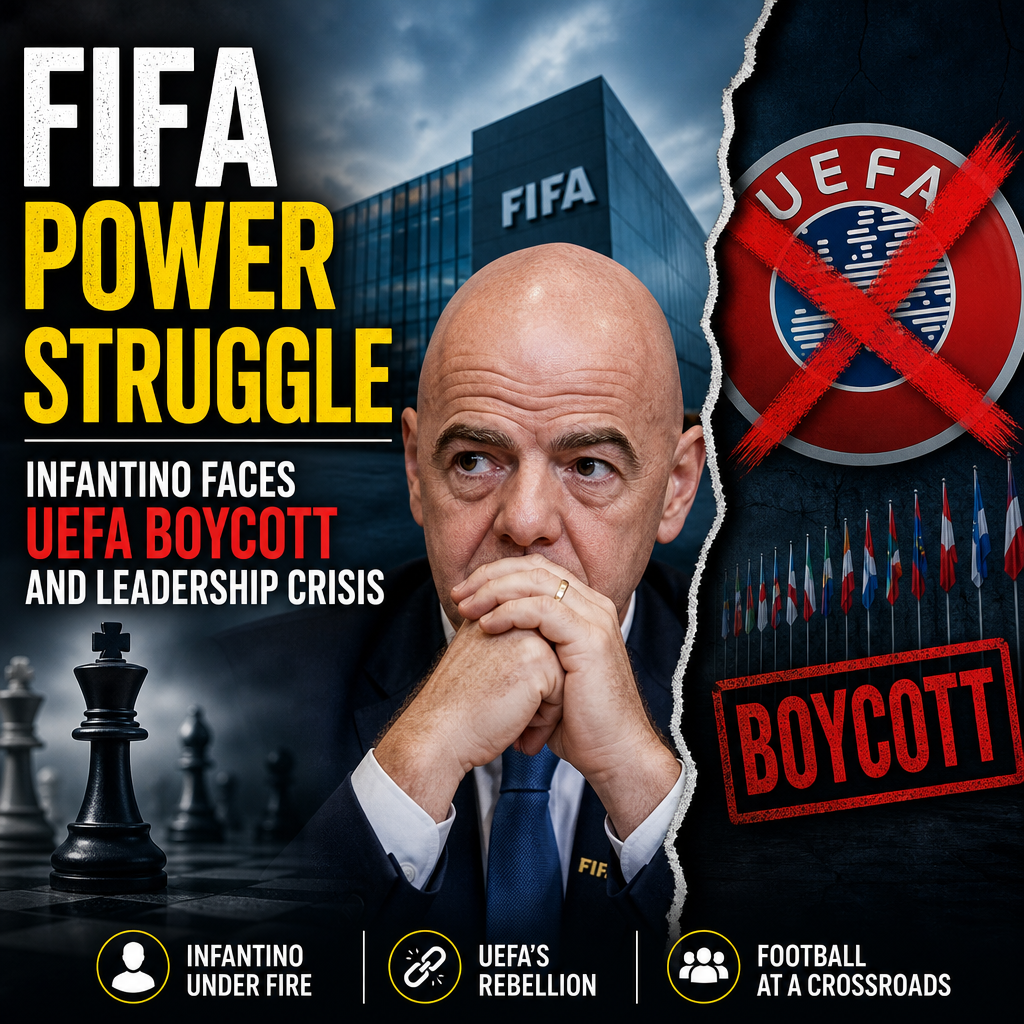
This move struck a nerve in one of FIFA’s most important regions—Europe. UEFA, long a critical voice of scrutiny towards Infantino, reacted strongly. On Thursday, UEFA threatened to boycott all FIFA competitions, including the flagship World Cup. This was not just posturing; it was a clear signal that Europe’s governing body was ready to leverage its substantial influence to challenge Infantino’s authority.
UEFA’s Power Play: A Chance to Unseat Infantino
UEFA’s threat can be seen as the organization’s trump card. Traditionally a staunch supporter of FIFA’s global role, UEFA has reached a breaking point. By isolating Infantino, UEFA is positioning itself as the leader of a movement to demand accountability and possibly replace the current FIFA president.
For UEFA, this is an opportunity that may not come again. The threat to boycott FIFA competitions would have massive financial and reputational consequences for FIFA and for football worldwide. Leveraging this power highlights how football politics can be ruthless and tactical.
Other Discontented Confederations
UEFA is not alone in its dissatisfaction with Infantino’s leadership. Concacaf, the confederation responsible for North and Central America and the Caribbean, has called for a “full review” into FIFA’s leadership. This is especially significant since Infantino worked closely with Concacaf on organizing the 2026 World Cup.
Even the Asian Football Confederation (AFC), considered one of Infantino’s loyal bases, has shown skepticism by withholding overt support. These cracks in formerly steadfast alliances demonstrate the widespread unease and political isolation facing Infantino.
The Fall of Key Allies
In any political struggle, betrayal or abandonment by close allies often signals critical moments. Infantino was abandoned by two of his closest confidants:
- Carlos Cordeiro, senior adviser, who stepped away amidst the turmoil.
- Kevin Lamour, FIFA’s chief operating officer, who also distanced himself from the embattled president.
These departures undermine Infantino’s capacity to govern effectively and survive the growing backlash.
Infantino’s Backtrack and UEFA’s Ultimatum
In the early hours of Saturday, Infantino attempted damage control by backtracking on the private investment stake sale plans. But this did little to placate UEFA. The confederation responded with a decisive statement: it had lost confidence in Infantino’s leadership.
This declaration was a devastating blow. It formalized a growing opposition within global football governance and set the stage for what may become one of the most significant political battles in FIFA’s recent history.
What Happens Next?
With battle lines clearly drawn, the future of FIFA’s leadership is uncertain. Here are some potential scenarios:
- FIFA Council Intervention
The Council could launch investigations into Infantino’s conduct, possibly leading to sanctions or pressure for his resignation. - Leadership Challenge
UEFA and other confederations may rally behind an alternative candidate, challenging Infantino in the next FIFA presidential election. - Negotiated Settlement
There could be a political compromise, where Infantino agrees to reforms in exchange for continued support. - Continued Turmoil
Without a clear resolution, FIFA risks prolonged instability, damaging both its reputation and the global football calendar.
Conclusion
In football politics, a week can transform an impregnable presidency into a precarious position. Gianni Infantino’s recent struggles reflect deeper tensions within FIFA and the international football community’s demand for transparency and integrity. As UEFA and other confederations take a stand, the coming weeks will be crucial for determining the future leadership and direction of world football.
One thing is clear: in the world of football governance, nothing is ever certain for long.