Pierluigi Collina Defends Referees Amid Controversy Over Argentina vs Egypt Match
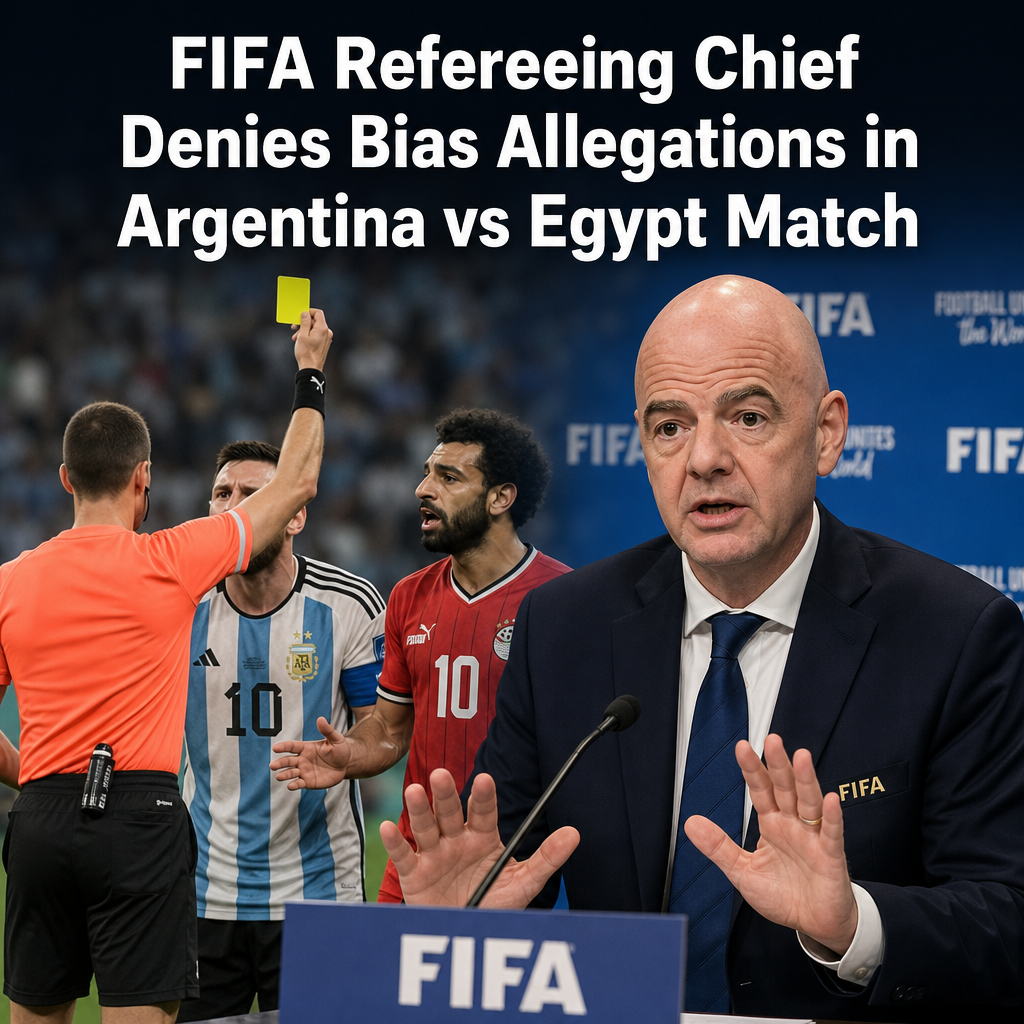
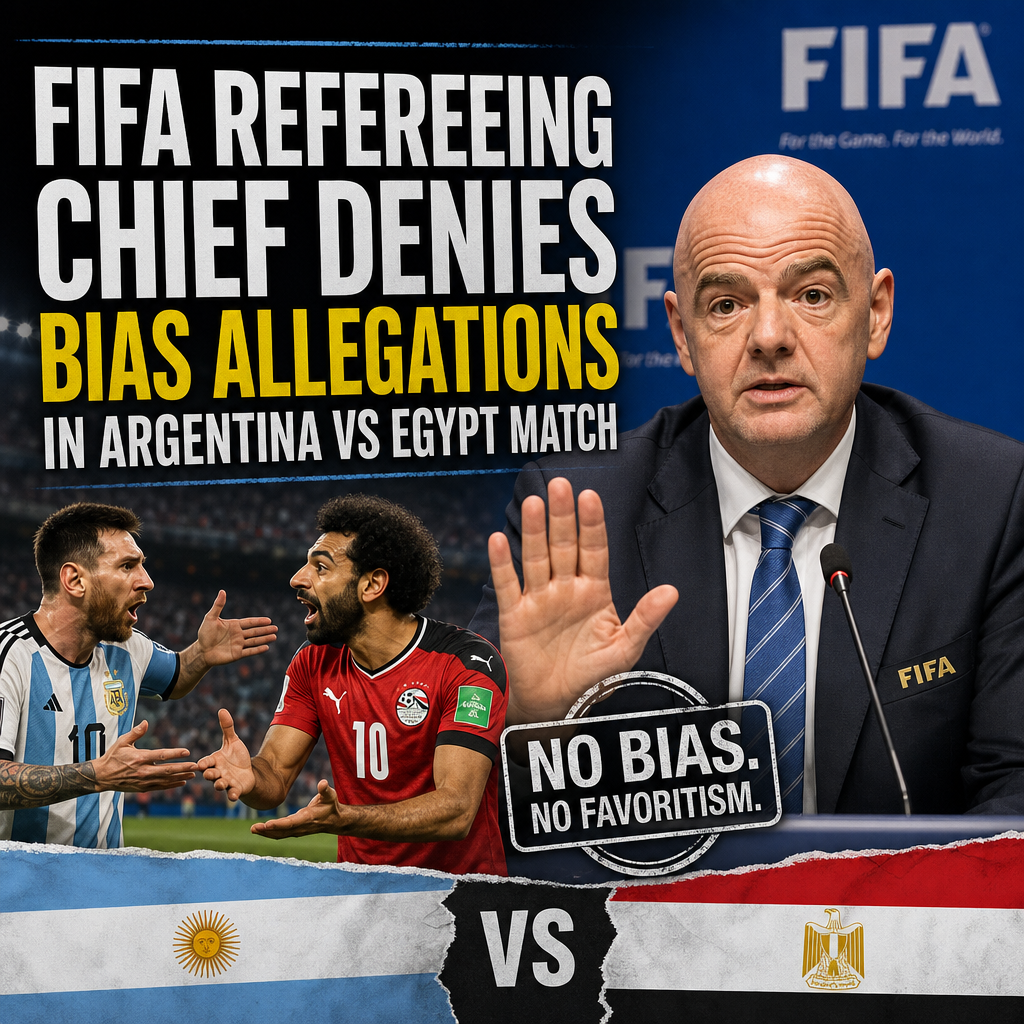
The recent World Cup round of 16 match between reigning champions Argentina and Egypt has ignited a heated debate around refereeing standards and potential bias. The Egyptian Football Association (EFA) lodged a formal complaint following a highly contentious game that ended in dramatic fashion, sparking accusations of discrimination and undue influence on match officials.
The Controversial Match and Allegations
Argentina, facing a seemingly insurmountable 2–0 deficit against Egypt, staged an incredible comeback in the final 11 minutes of the game. A video assistant referee (VAR) decision ruled out Egypt’s potential third goal, a pivotal moment that intensified scrutiny of the officiating.

Following the match, the EFA accused referee François Letexier of bias against Egypt, echoing claims made by Egypt’s manager, Hossam Hassan. Hassan suggested that “pressures from the Argentina side” and financial motivations to keep superstar Lionel Messi involved in the tournament had prompted FIFA to sabotage the game. These serious allegations questioned not only the referee’s integrity but also the entire governing body’s fairness.
Pierluigi Collina’s Firm Rebuttal
Pierluigi Collina, FIFA’s chief refereeing officer and one of the most respected voices in football officiating, responded strongly to these accusations. Collina emphasized the importance of maintaining trust and integrity within the sport, pushing back against what he described as unfounded attacks on match officials.
“Of course, constructive discussion about decisions will always be part of football, but unfounded allegations have no place in our sport,” Collina stated.
He went further to highlight the personal risks referees face when their integrity is called into question:
“Nobody can question the integrity of the FIFA World Cup match officials. When this happens, it may provoke reactions that lead to threats against them and their families. This is not right.”
The Independence of FIFA Refereeing
Collina also addressed concerns about external influence on referees, explicitly denying any claims that FIFA’s refereeing team could be swayed by powerful figures, including FIFA President Gianni Infantino.
“Equally, nobody can claim that FIFA Refereeing can be influenced by anyone, not even by the FIFA President. He has always shown his full support for FIFA Team One while trusting us to work with complete independence.”
He reassured fans and teams alike that referees operate independently and with integrity, just like players and coaches:
“Match officials make honest decisions and, just like players and coaches, they always try to do their best.”
Why This Matters for Football Fans and Players
The heated accusations against the refereeing team reflect a larger ongoing debate in football about the use of technology, potential biases, and the pressure officials face at the highest level. VAR has been both praised and criticized since its introduction, and moments like the Egypt-Argentina game highlight how crucial decisions can dramatically affect outcomes and fan perceptions.
Moving Forward: Respecting Officials and the Game
Football thrives on passion, competition, and fairness. Constructive criticism of refereeing decisions is essential for the sport’s growth and transparency. However, it is equally important to respect the professionalism and dedication of match officials.
The FIFA World Cup represents the pinnacle of international football, and officials like François Letexier and overseers such as Pierluigi Collina work under immense pressure to ensure the game is played fairly.
Key Takeaways
- Argentina staged a late comeback against Egypt in the World Cup round of 16, leading to accusations of refereeing bias.
- The Egyptian Football Association filed a formal complaint following a controversial VAR decision.
- FIFA’s chief refereeing officer, Pierluigi Collina, strongly rejected allegations of outside influence or bias.
- Collina stressed the independence and integrity of FIFA referees, warning against dangerous and unfounded claims.
- Respect for referees is crucial to maintaining the spirit and fairness of football at the highest level.
In an age where every decision is scrutinized, Collina’s message serves as an important reminder that referees are integral to the game’s integrity and deserve support, not baseless accusations. As fans, players, and officials look ahead to the remainder of the tournament, trust and respect must underpin every discussion about the beautiful game.