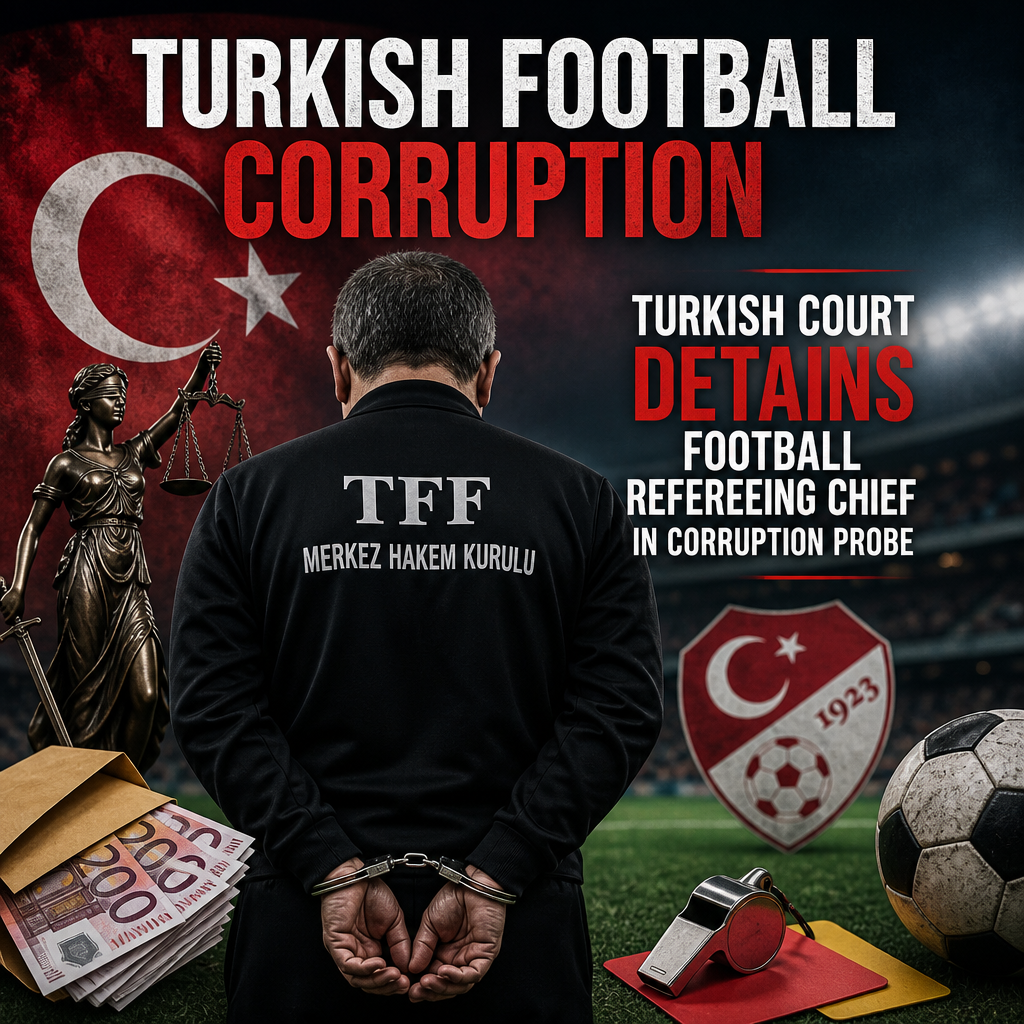
Football and “gangsters” have crossed paths in a few different ways over the years—but it’s rarely as simple as players actually becoming gangsters. Instead, the connection between the sport and organized crime tends to manifest through various forms of criminal involvement around the game, influence from criminal networks, or the hooligan culture that embodies gang-like attributes. Understanding these intersections sheds light on how crime and football intertwine without reducing players to mere stereotypes.
Players Caught Up in Crime
One of the most direct ways football has intersected with crime is through individual players who become embroiled in legal trouble. These cases often involve players who find themselves on the wrong side of the law for reasons ranging from violence to more serious offenses.
René Higuita, the flamboyant Colombian goalkeeper famous for his “scorpion kick,” once found himself indirectly involved in a criminal case connected to ransom demands by cartel figures in Colombia. Although not a criminal himself, his association with sensitive figures brought unwanted scrutiny.
Similarly, Brazilian goalkeeper Bruno Fernandes de Souza’s story is a dark one. He was convicted of murder in a high-profile case, underscoring the severity of some players’ encounters with crime outside the pitch.
English midfielder Joey Barton is another example of a player whose career was marked by multiple violent incidents and jail time. His troubles, however, were more about personal behavior than ties to organized crime.
It’s important to note that these instances typically represent isolated criminal behavior rather than players leading gangster lives.
Organized Crime Influencing Football
The influence of organized crime in football is more systemic and often has historical roots, especially in countries where cartels or criminal organizations had both the financial resources and motivation to entrench themselves in the sport.
In Colombia during the 1980s and 1990s, notorious drug cartels such as the Medellín Cartel heavily invested in football clubs. This infusion of illicit money pumped life (and substantial resources) into clubs, elevating local football leagues’ standing. However, this also brought significant risks; players and referees sometimes faced threats or coercion to influence match outcomes favorably for the financial backers.
This dynamic showed that while football could be a lucrative front for laundering money or gaining influence, it also exposed the sport to violence and corruption, tarnishing its reputation.
Club Ownership and Corruption
Criminal influence in football isn’t limited to players or on-field events. The very ownership and management of clubs have, at times, been shadowed by corruption or criminal elements.
Money laundering through football clubs is a known tactic wherein illicit funds are funneled through seemingly legitimate transactions related to player transfers, sponsorships, or ticket sales. This makes clubs perfect vehicles for organized crime groups seeking to clean their dirty money.
Match-fixing scandals, though not necessarily involving traditional gangsters, often reveal a web of illegal activity orchestrated by betting syndicates or corrupt officials. A notorious example is the Calciopoli scandal in Italy, where referees were manipulated to favor certain teams. While not a gangster operation in the classic sense, it showed the lengths to which organized corruption can go within the sport.
Some leagues still grapple with shadowy ownership structures that obscure who ultimately controls clubs, raising questions about potential criminal links.
Football Hooligan Firms: The Closest to “Gang” Culture
Perhaps the most vivid association between gang culture and football comes from the world of football hooligan firms — organized supporter groups that often behave like gangs themselves.
In England and parts of Europe, firms such as West Ham United FC’s Inter City Firm or Chelsea FC’s Headhunters became infamous for their territorial rivalries, orchestrated violence, and collective identities. These groups had names, internal hierarchies, and engaged in confrontations that at times blurred the lines between passionate support and criminal behavior.
These hooligan firms maintained territories and rivalries akin to street gangs, often involving illegal activities such as violence, vandalism, and even clashes with law enforcement.
Importantly, these were not players but supporters, representing one of the closest real-world connections football has to organized gang culture.
Pop Culture Exaggeration of Football and Gangsters
Movies and media have played a significant role in amplifying and sometimes distorting the connection between football and gangster life. Films like Green Street and The Football Factory dramatize the violent clashes between football firms, often intertwining them with gang-style narratives.
While entertaining, these portrayals tend to blur reality by suggesting a tight-knit association between football and gang criminality. In truth, the relationship is more nuanced and fragmented. Players rarely live gangster lives, and many criminal influences are indirect or historical rather than ongoing open affiliations.
Conclusion
The narrative that footballers regularly cross into gangster life is more myth than reality. While crime has intersected with football in various forms—through player misconduct, organized crime influence, ownership corruption, and hooligan firms—the reality is typically a complex web of isolated incidents, historical influences, and cultural phenomena rather than a direct pipeline from pitch to prison gang.
Understanding these different layers helps fans and observers appreciate the challenges football faces without sensationalizing its darker chapters. The beautiful game remains just that for most involved—not a backdrop for gangster dramas, but a sport loved worldwide with its own set of human imperfections and fascinating stories.