You’ve set up your account and mastered the art of bankroll management. You have your stake ready—a carefully calculated 1-2% of your total funds. Now you face the most intellectually rewarding part of sports betting: deciding where to place your money based on smart analysis, not just gut feeling.
Welcome to your guide on how to analyse a football match. Many beginners bet based on club loyalty or simple name recognition, which is the fastest way to deplete a bankroll. A strategic punter, however, makes decisions based on evidence.
This article will provide a simple, repeatable checklist to guide your pre-match research. Following these steps won’t guarantee a win—nothing can—but it will ensure that every bet you place is a well-informed decision, dramatically increasing your chances of long-term success.
The Pre-Analysis: Where to Find Reliable Football Stats
Before you can analyse, you need data. Fortunately, there are many excellent and free resources available. A professional analyst uses multiple sources, but for a beginner, mastering one or two is perfect. Here are some of the best:
- Flashscore (or Soccerway): Perfect for checking recent form, head-to-head records, and basic match stats. Their interface is clean and very easy for beginners to navigate.
- WhoScored: Offers more detailed statistical analysis, including player ratings, tactical information, and strengths/weaknesses of teams based on data.
- Bookmaker’s Own Stats: Most major bookmakers have a statistics section for each match. This is often convenient as it’s right there on the page, but it’s always good to cross-reference with an independent source.
Just as bankroll management gives you financial discipline, analysis gives you betting discipline.
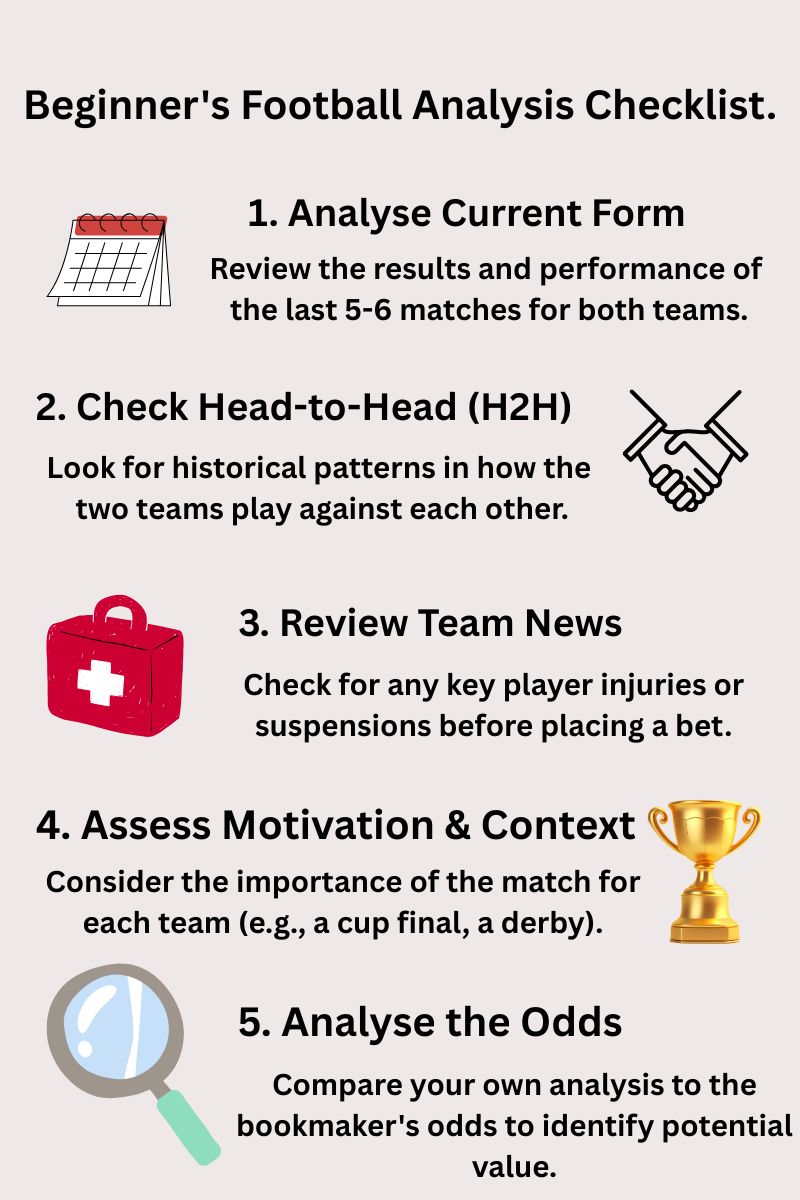
Your 5-Step Betting Analysis Checklist
1. Current Form: How Are the Teams Playing Right Now?
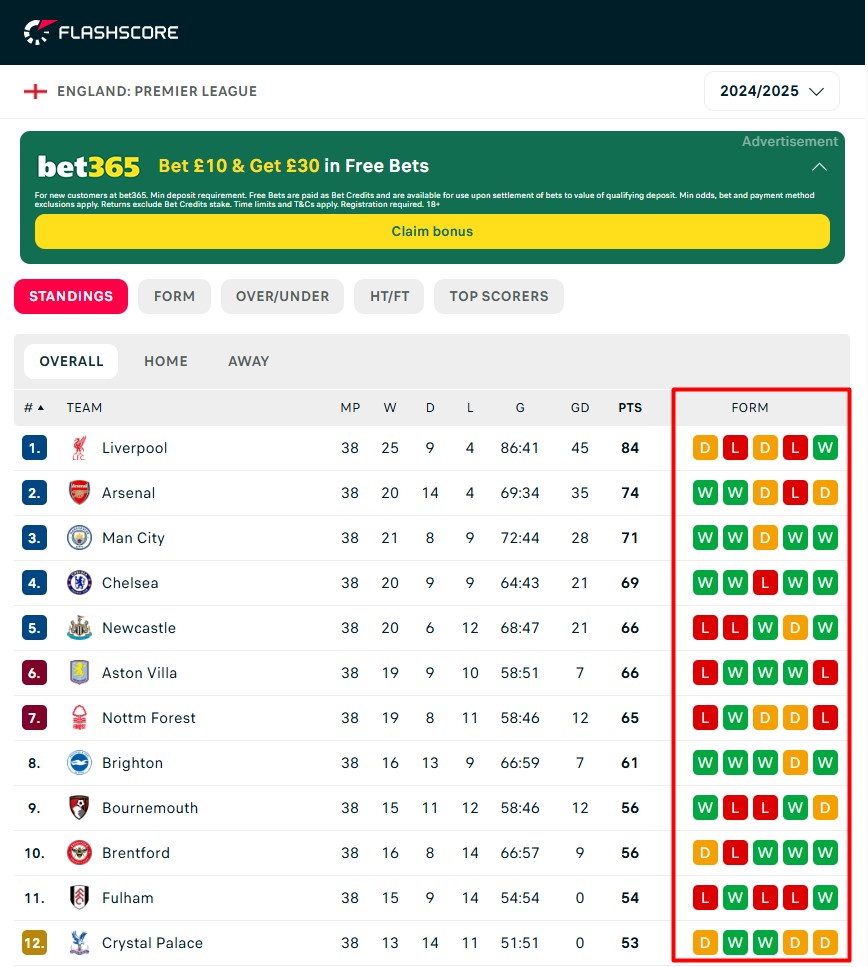
A team’s recent performance is the single most important factor to consider. Never look at the league table alone; a team’s position can be misleading. Instead, look at the results of their last 5-6 matches.
What to look for:
- Don’t just count wins and losses. Look for patterns. Is a team brilliant at home but poor on the road? Do they consistently beat weaker teams but struggle against the top half of the table?
- Look at the quality of the opposition. A run of five wins against bottom-of-the-league teams is less impressive than two wins and a draw against strong opponents.
- Check the scorelines. Is a team grinding out narrow 1-0 wins, or are they comfortably beating opponents by several goals? This can give you clues for Over/Under markets.
2. Head-to-Head (H2H) History: How Do They Play Against Each Other?
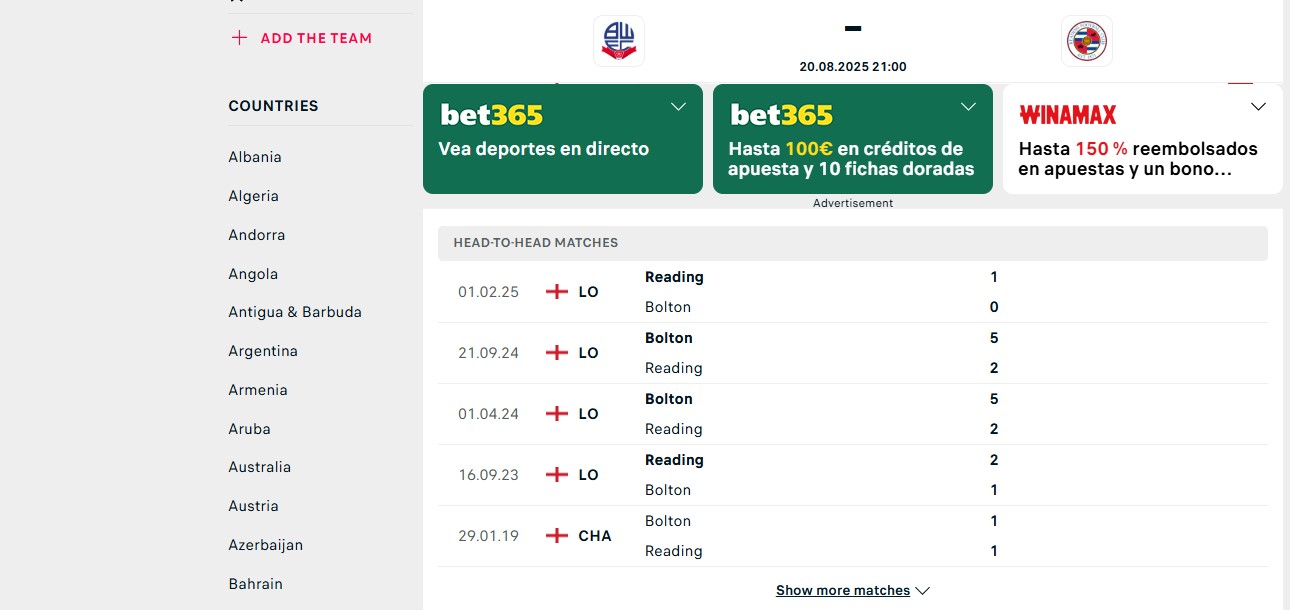
Some teams, for whatever reason, have a “bogey team”—an opponent they consistently struggle against, regardless of form or league position. That’s why checking the Head-to-Head (H2H) record is crucial.
What to look for:
- Focus on recent history. Look at the results from the last 2-3 seasons, as a result from 10 years ago is irrelevant.
- Look for recurring patterns. Does one team always win at home? Are the matches between them always low-scoring (Under 2.5 goals)? H2H stats can be a goldmine for predicting the type of game that will be played.
3. Team News: Injuries and Suspensions
This is where many casual bettors slip up. They place a bet early in the week, only to find out on match day that their team’s star striker and best defender are both out.
What to look for:
- Pay special attention to the ‘spine’ of the team. The absence of the starting goalkeeper, the main central defender, a key central midfielder, or the top goalscorer has a much bigger impact than a winger or full-back.
- Check official club websites or reliable sports news sources (like BBC Sport) for the latest injury updates as close to kick-off as possible.
4. Motivation and Context of the Match
Why does this match matter? The context can often be more important than form.
What to look for:
- Consider the competition. Is a top team playing a crucial Champions League match midweek? They might rest key players in their weekend league game, making an upset more likely.
- Factor in derby matches. Local derbies are often highly emotional and unpredictable where form can go out the window.
- Assess end-of-season scenarios. Does one team need a win to avoid relegation, while the other is safe in mid-table with nothing to play for? The more motivated team often has a significant edge.
5. Analyse the Odds Themselves
Finally, look at the odds offered by the bookmaker, which reflect the market’s opinion on the likely outcome.
What to look for:
- Look for a discrepancy. After your own analysis, do you strongly disagree with the odds? If your research suggests a match will be very close, but the bookmaker has one team as a massive favourite, you may have found a “value bet”.
- Don’t just bet on the favourite. The key to long-term success isn’t picking the most winners; it’s finding odds that offer good value.
Conclusion: From Guessing to Analysing
By following this football match analysis checklist for betting, you are no longer just guessing; you are building a case for your bet based on data and logic. This process is the foundation of any successful betting strategy. It won’t make you win every time, but it will ensure you are always making an informed, intelligent decision.
You now have the tools for financial and analytical discipline. The final opponent is often yourself.