Leverkusen Sack Erik Ten Hag After Just Two Bundesliga Matches in Charge
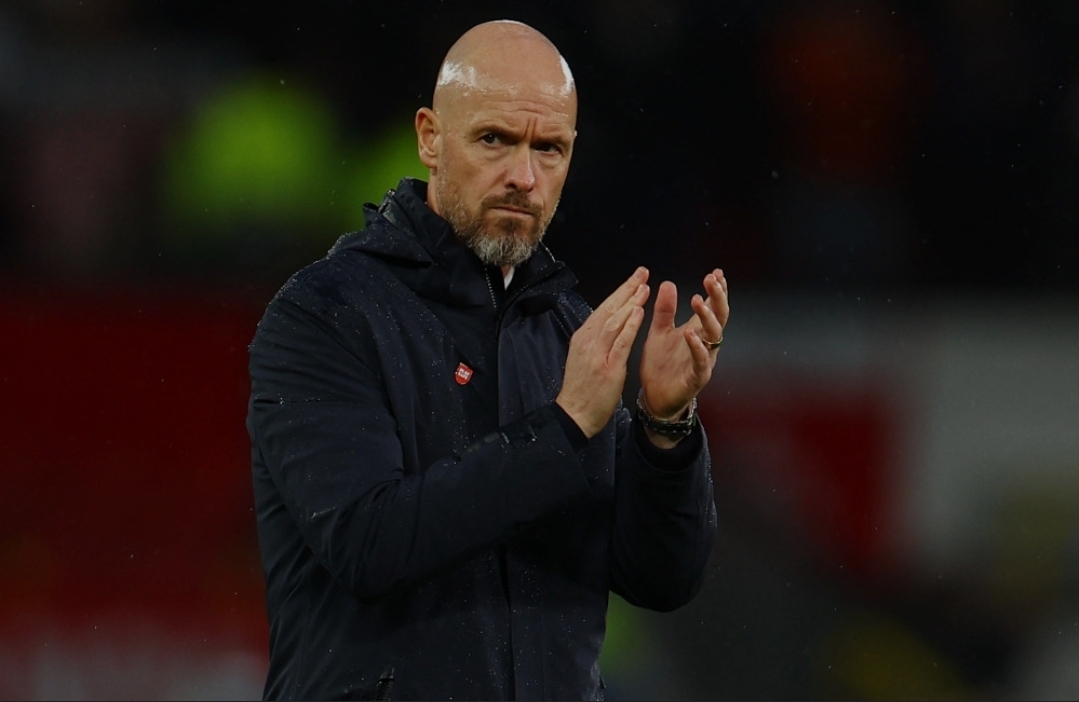
Leverkusen sack Erik Ten Hag after just two Bundesliga matches in charge, sending shockwaves through the football world. The swift dismissal of the highly regarded Dutch coach comes as a significant surprise, considering his impressive track record and the expectations surrounding his appointment. This unexpected turn of events raises questions about the pressures in modern football management and the club’s immediate objectives.
The Sudden End to Ten Hag’s Leverkusen Tenure
Erik Ten Hag’s stint at Bayer Leverkusen was startlingly brief. Appointed with high hopes to steer the team through a competitive Bundesliga season, Ten Hag’s tenure lasted a mere handful of weeks. Despite his promising credentials, the club cited “irreconcilable differences” and “a lack of alignment on the sporting project” as reasons for the split. This decision came after just two league matches, both of which failed to yield positive results.
The announcement was made unexpectedly, leaving fans and analysts alike perplexed. Such a rapid coaching change is unusual, particularly for a figure of Ten Hag’s calibre, who recently earned widespread acclaim for his achievements at Ajax. His ability to nurture young talent and instill a dynamic playing style seemed perfectly suited to Leverkusen’s ambitions.

What Went Wrong at Bayer Leverkusen?
Several factors contributed to this unprecedented parting of ways. Firstly, the transition period between Ten Hag and the previous management appears to have been contentious. Reports suggest that disagreements over transfer strategy and squad changes created underlying friction. The club’s board and the coach reportedly failed to reach consensus on several key decisions, stalling progress even before the season fully got underway.
Secondly, the tactical approach under Ten Hag did not immediately resonate with the squad. While it is natural for a new coach to require adjustment time, Leverkusen’s impatient response indicates a low tolerance for early setbacks. The players seemed to struggle adapting to Ten Hag’s preferred system, which emphasizes controlled build-up and high pressing.
In addition, the pressure of competing in a demanding league like the Bundesliga, where clubs are often quick to demand instant results, added to the intensity surrounding the new coach. Leverkusen, aiming to challenge for European qualification spots, could not afford to falter early in the campaign.
The Broader Implications for Bundesliga Coaching Stability
This incident underscores a growing trend in top-flight football: managerial instability. Clubs like Leverkusen often take bold risks by appointing high-profile coaches, but the impatience for immediate success can lead to hasty decisions. The fallout from Ten Hag’s quick exit will likely prompt other teams to reconsider their approach to coaching appointments.
For the Bundesliga, known for nurturing young coaches and promoting steady development, this episode raises concerns. Regular coaching changes can disrupt squad cohesion and hinder long-term progress. It also sends a cautionary message to prospective managers considering moves to the league that patience might be in short supply.
What Next for Erik Ten Hag and Bayer Leverkusen?
Following his departure, Ten Hag’s future remains a hot topic for speculation. Given his proven track record of success and tactical acumen, it is expected that he will soon find another opportunity at a top club. His brief spell in Germany, although disappointing, does little to tarnish his reputation as one of Europe’s brightest coaching minds.
As for Leverkusen, the immediate task lies in stabilizing the team and appointing a successor capable of uniting the squad. The club must address internal disagreements and recalibrate expectations to avoid repeating such turmoil. This period represents a critical juncture in Leverkusen’s quest to re-establish themselves as Bundesliga contenders.
Conclusion
Leverkusen sack Erik Ten Hag after just two Bundesliga matches in charge, a startling reminder of the ruthless nature of football management today. While the reasons are multifaceted, the incident highlights the demands placed on coaches and the high stakes involved in top-level competition. Both the club and Ten Hag face crucial paths ahead, with lessons to be learned from this turbulent episode. Fans and football enthusiasts will watch closely as both parties look to bounce back stronger from this unexpected setback.
Quick Recap:
Start Date:Began July 1, 2025
Competitions:DFB-Pokal (win), Bundesliga (loss + draw).
League Results:Defeat to Hoffenheim; Draw with Werder Bremen (conceded late equalizer).
Reason for Sacking:Poor start, weakened squad, lack of team cohesion & fit with playing style.
Historical Note:Earliest managerial dismissal in Bundesliga history.
Ten Hag’s Reaction:Called the dismissal unprecedented and cited lack of trust as key issue.
This decision was not easy for us. Nobody wanted to take this step,” sporting director Simon Rolfes said in a statement.
“The past few weeks have shown that the steps to build a new and successful team have not been effective,” Rolfes said.
Club CEO Fernando Carro said the decision was “painful, but necessary”.