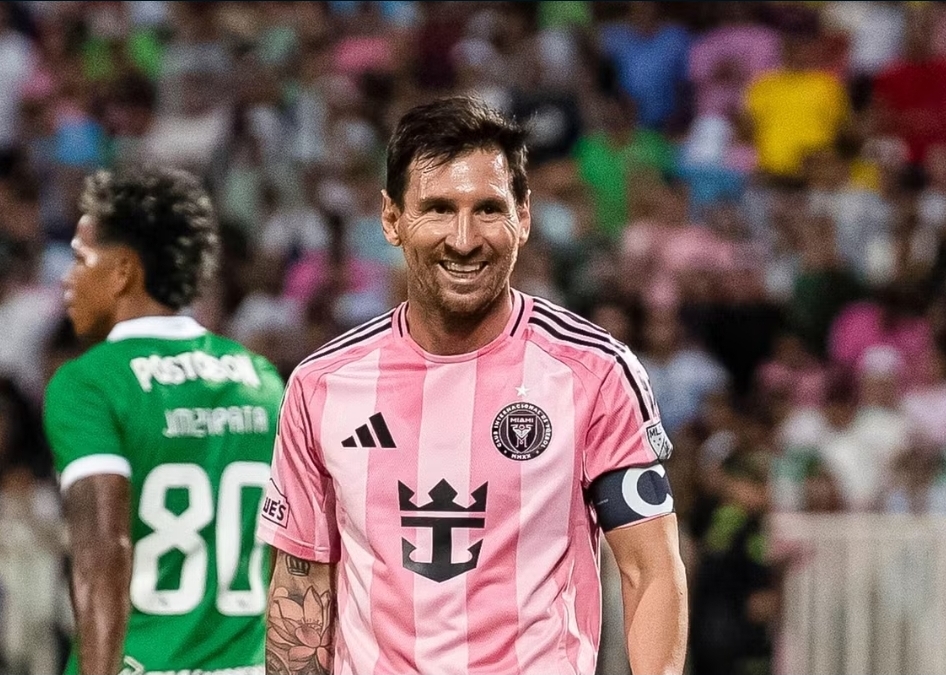
Lionel Messi has bought Catalan club Cornella and become the team’s new owner, marking a significant step in his enduring commitment to football in Catalonia. While the eight-time Ballon d’Or winner continues to dazzle on the pitch with Inter Miami in the United States and prepares to lead Argentina in the upcoming World Cup, his latest venture off the field highlights a deeper investment in nurturing local talent and strengthening the sport’s grassroots.
Lionel Messi’s New Role as Owner of Cornella
Cornella, a Spanish fifth-tier club based in the suburbs of Barcelona, officially announced Messi’s acquisition on Thursday. This move signals a fresh beginning for a club that has faced challenges in recent seasons. With back-to-back relegations leaving them vulnerable, the presence of a global icon like Messi not only boosts the club’s visibility but also injects hope for revival and growth. According to the club’s statement, Messi’s arrival is “the beginning of a new chapter” focused on “sporting and institutional growth” alongside sustainable development.
Messi’s involvement with Cornella comes as no surprise given his roots and history. Though he currently dazzles fans in Major League Soccer, his heart remains deeply connected to Catalonia—where he came through the ranks at Barcelona’s famed La Masia academy. The club praised this connection, emphasizing a shared vision to invest in local talent and maintain a strong bond with the community.

The Significance of Messi’s Ownership for Cornella and Catalonia
Cornella has traditionally been a fertile ground for discovering promising football players. Names such as Arsenal goalkeeper David Raya, as well as Jordi Alba—Messi’s former Barcelona teammate—have come through this club. Despite the recent struggles, the club and Messi are now focused on rebuilding a sustainable project, combining ambition with strong local roots.
This acquisition exemplifies how Messi’s legacy extends beyond just his personal achievements. It reflects a dedication to uplifting Catalan football infrastructure, especially at lower tiers where resources are limited but potential runs high. Reinforcing these foundations ensures a more vibrant and competitive future for Catalan clubs that often fly under the radar in global football discussions.
How Messi’s Acquisition Fits His Long-Term Vision
Messi’s decision to buy Cornella aligns with his previously stated intention to return to Catalonia after retiring from professional football. It’s a strategic move that combines his love for the region with a business-savvy understanding of football’s social impact.
The club’s announcement highlighted the “long-term vision and a strategic plan” focused on combining “ambition, sustainability, and a strong connection to its local roots.” Messi’s ownership is poised to emphasize youth development programs, which are critical in Catalonia where football’s future heartbeats strongly in smaller clubs like Cornella.
By investing in lower-league clubs, Messi can contribute to a pipeline of talent development that benefits not only the club but the wider Catalan and Spanish football ecosystems.
Messi’s Career Continues with a Global Focus
While stepping into this important off-field role, Messi is far from finished as a player. Currently starring in Major League Soccer for Inter Miami, he continues to influence the game globally. His performance remains stellar as he prepares to defend Argentina’s World Cup title this year in a tournament hosted across the USA, Mexico, and Canada.
At 38 years old, Messi is set to participate in his sixth World Cup, further cementing his status as one of football’s all-time greats. His legendary career began with Barcelona, where he spent 17 seasons and scored a record 672 goals—making him the club’s all-time leading scorer.
Football Legends Investing in Spanish Clubs
Messi’s new ownership comes shortly after a similar football investment by his great rival, Cristiano Ronaldo, who acquired a 25-percent stake in Spanish second-tier club Almeria just two months ago. This trend showcases how top footballers are turning to club ownership and investment as a way to extend their influence beyond their playing days, shape the future of the sport, and maintain ties to their roots.
While Ronaldo’s stake is in a second-tier team, Messi’s choice to take over a smaller, fifth-tier side like Cornella reaffirms his desire to focus on nurturing talent from the ground up rather than buying into established entities.
Looking Ahead: A New Era for Cornella
The future is bright for Cornella as Lionel Messi takes the reins. His dedication to the club’s success goes far beyond ownership—he embodies a vision of combining sporting ambition with community engagement and sustainability. For Cornella, this is a chance to rise from recent setbacks and reclaim a competitive position within Spanish football.
For football fans and observers alike, Messi’s move is more than a business transaction; it’s a heartfelt investment in the sport’s future—one that binds the legend even closer to Catalonia, where his journey began and where he plans to finish his football story.
As Cornella embarks on this new chapter, the football world will be watching closely to see how one of the greatest players of all time transforms a modest club into a beacon of local pride and sporting excellence.