Real Madrid and Milan: Giants of European Football
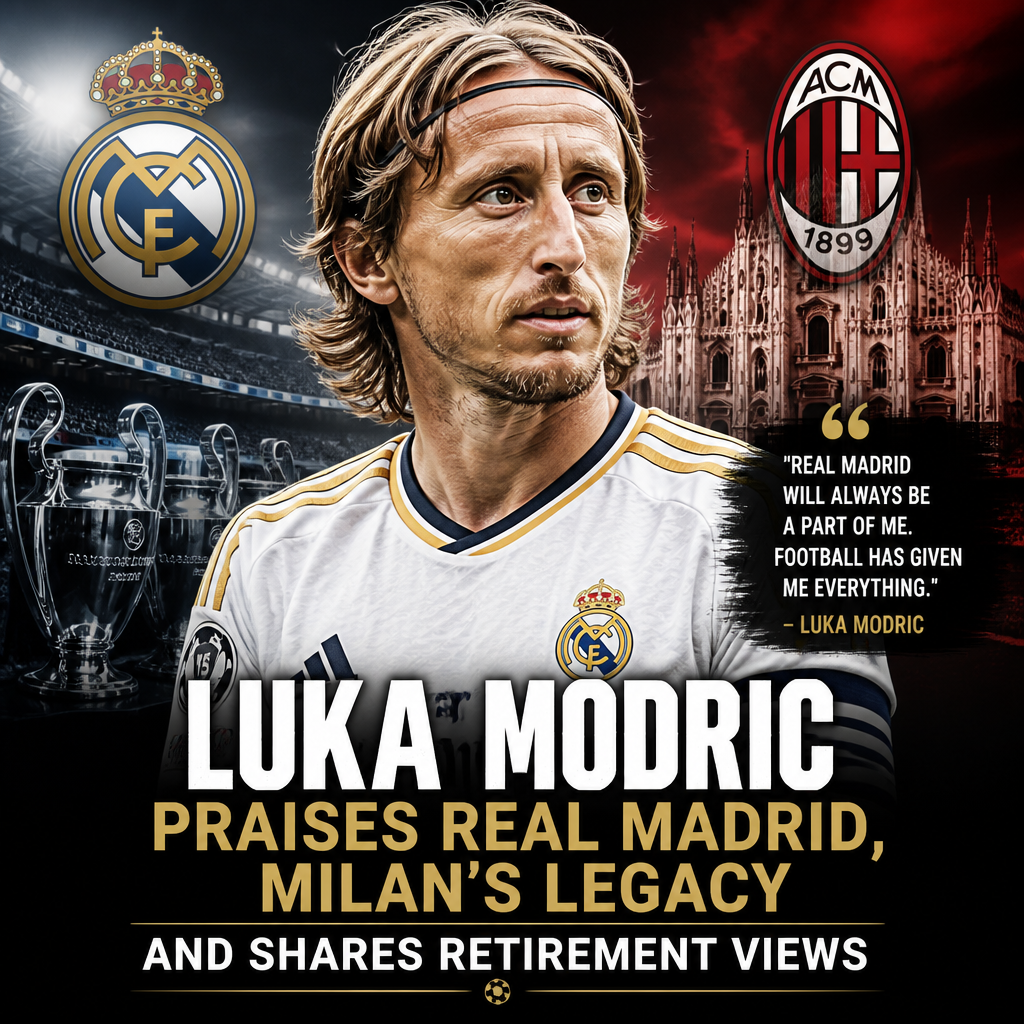
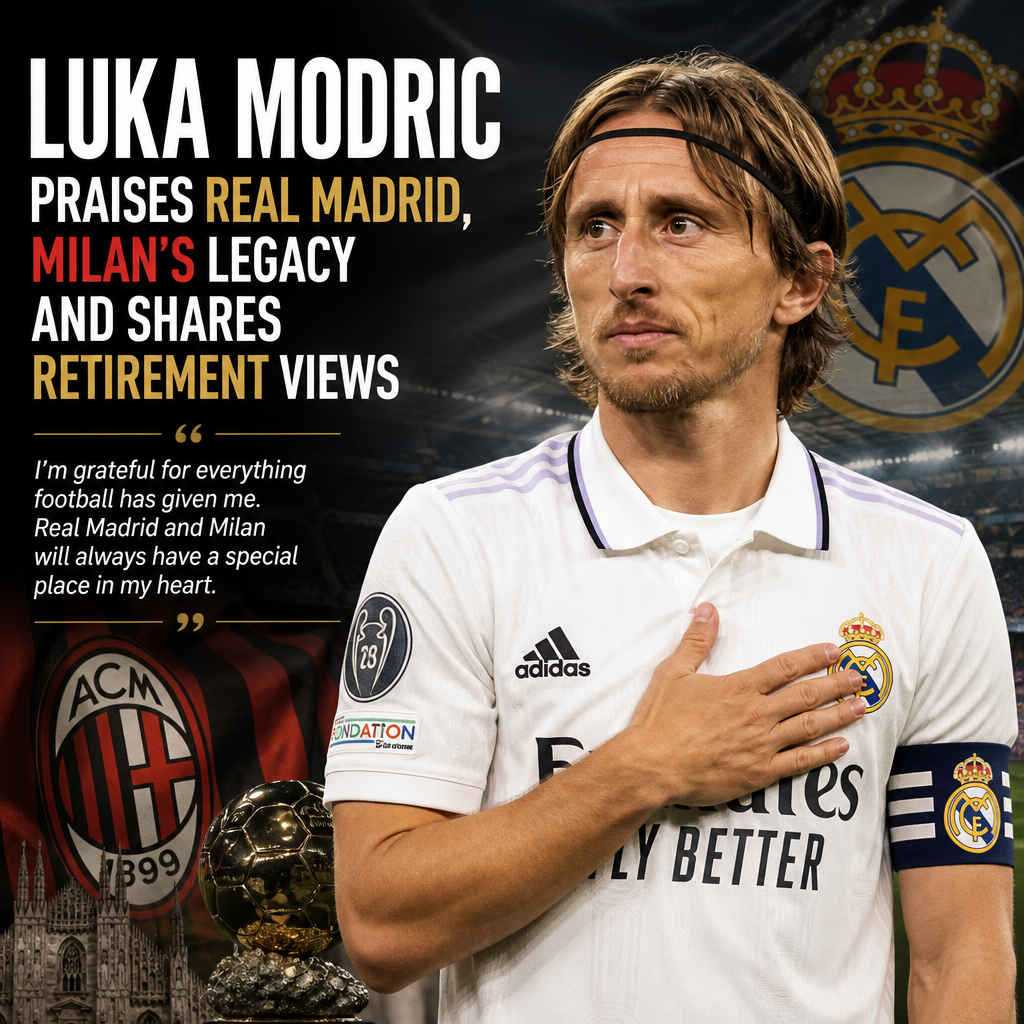 Modric referred to Real Madrid as the greatest team in history, highlighting their unparalleled success on the European stage. Equally, he praised AC Milan for its significant achievements, positioning the Italian giants as the second most European title-winning team after Madrid. Despite Milan’s recent struggles to capture titles, Modric emphasized their historic greatness, attributing it to their rich legacy. According to him: – Milan’s glory days were in the nineties and the early 2000s. – These periods set a bar for the club’s success. – The team needs to recapture the spirit and level of performance they once had. This respectful nod from one of the best midfielders of his generation underscores the enduring stature of these clubs in the landscape of world football. —
Growing Up Watching Milan: A Childhood Dream
Modric’s admiration for AC Milan dates back to his childhood. Growing up in Croatia, near the Italian border, he was deeply influenced by Italian football’s golden era. He said: > “I grew up watching a lot of Italian football matches because Italy is close to Croatia, and I followed it with passion, as it was at the time perhaps the strongest league in the world…” At that time, Serie A was home to some of the world’s greatest players—a status that rivaled today’s Premier League. For young Modric, Milan wasn’t just a club; it was a symbol of excellence and the team he admired most. His career path, which eventually led him to Milan, was unexpected. Reflecting on this, he noted how life is full of surprises and that joining a club he once idolized feels like a dream come true. —
Wisdom from Carlo Ancelotti: Advice and Support
Modric also shared insights into his relationship with Carlo Ancelotti, a figure who has been influential in his career. Ancelotti’s experience with Milan and his understanding of top-tier football made his advice invaluable. – They often discussed Milan during their time at Real Madrid. – Ancelotti shared his stories and experiences, giving Modric a window into the club’s culture. – Upon learning about their impending departures from Real Madrid, Ancelotti personally reached out to Modric. – The coaching legend was already aware of Milan’s interest in Modric and kept him informed throughout the process. This mentorship and guidance played a role in Modric’s decision to join Milan, highlighting the importance of trusted voices in a player’s career decisions. —

Defying Age: Modric’s Thoughts on Retirement
Turning 41 and still playing at a top level, Modric challenged the conventional mindset that age should dictate retirement in football. He explained his outlook with clarity: > “It seems there is a common idea that when one reaches a certain age, it is better to retire and step aside, but I do not see it that way as long as I feel content, because this is my life.” For Modric, football is more than a job—it is a passion that started when he was just six years old. His love for the game fuels his longevity, and he enjoys every aspect of it. – He acknowledges that football careers can’t last forever. – Yet, he chooses to continue as long as he feels happy and fulfilled. – His commitment to the sport is a testament to his dedication and passion. —
Conclusion: A Career Built on Passion and Respect for the Game
Luka Modric’s reflections provide an inspiring perspective on football, legacy, and personal ambition. By acknowledging the greatness of Real Madrid and Milan, honoring his childhood inspirations, and sharing his philosophy on aging and retirement, Modric reminds us that true athletes play for the love of the game. As he continues his journey, Modric remains a symbol of professionalism and passion—an example for younger players and fans worldwide who admire not just his skills but his attitude toward football and life.