Michael Carrick and Jason Wilcox: Clearing the Air on Manchester United’s Struggles
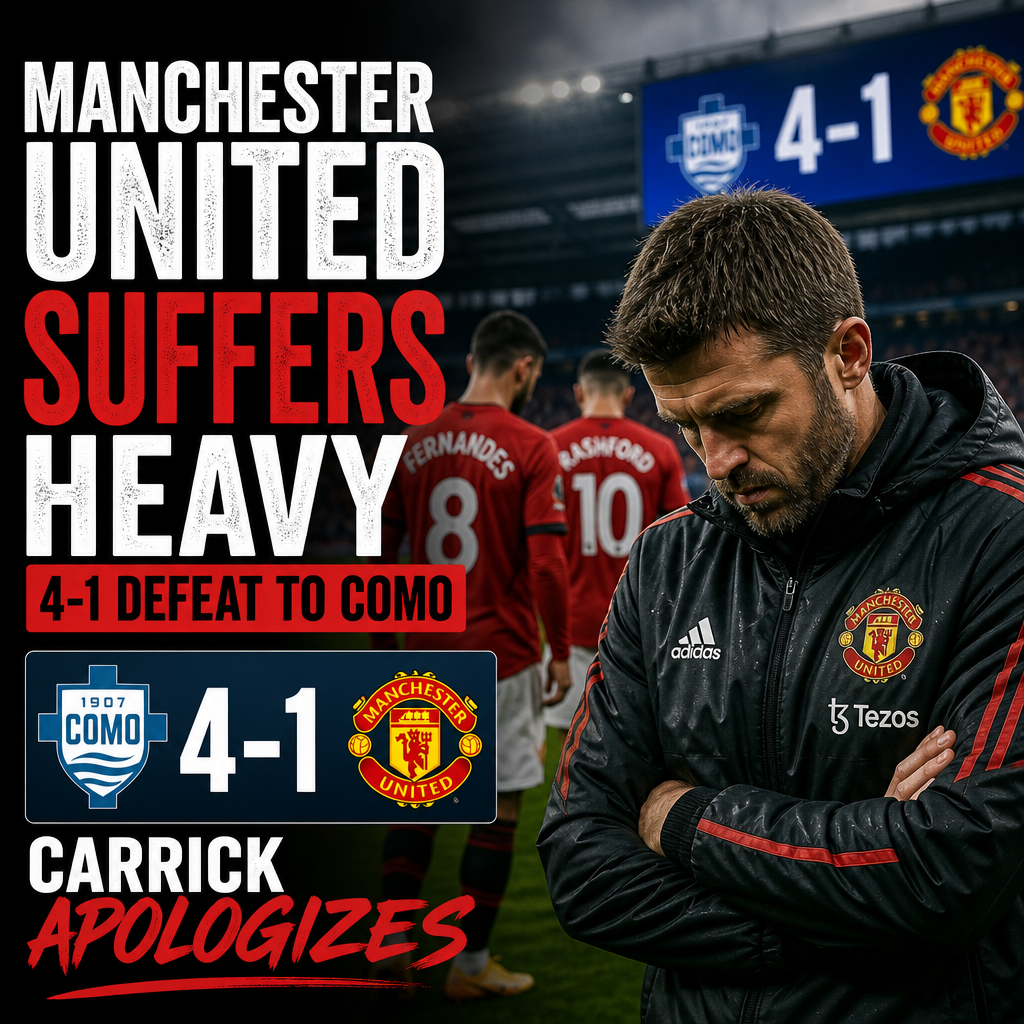
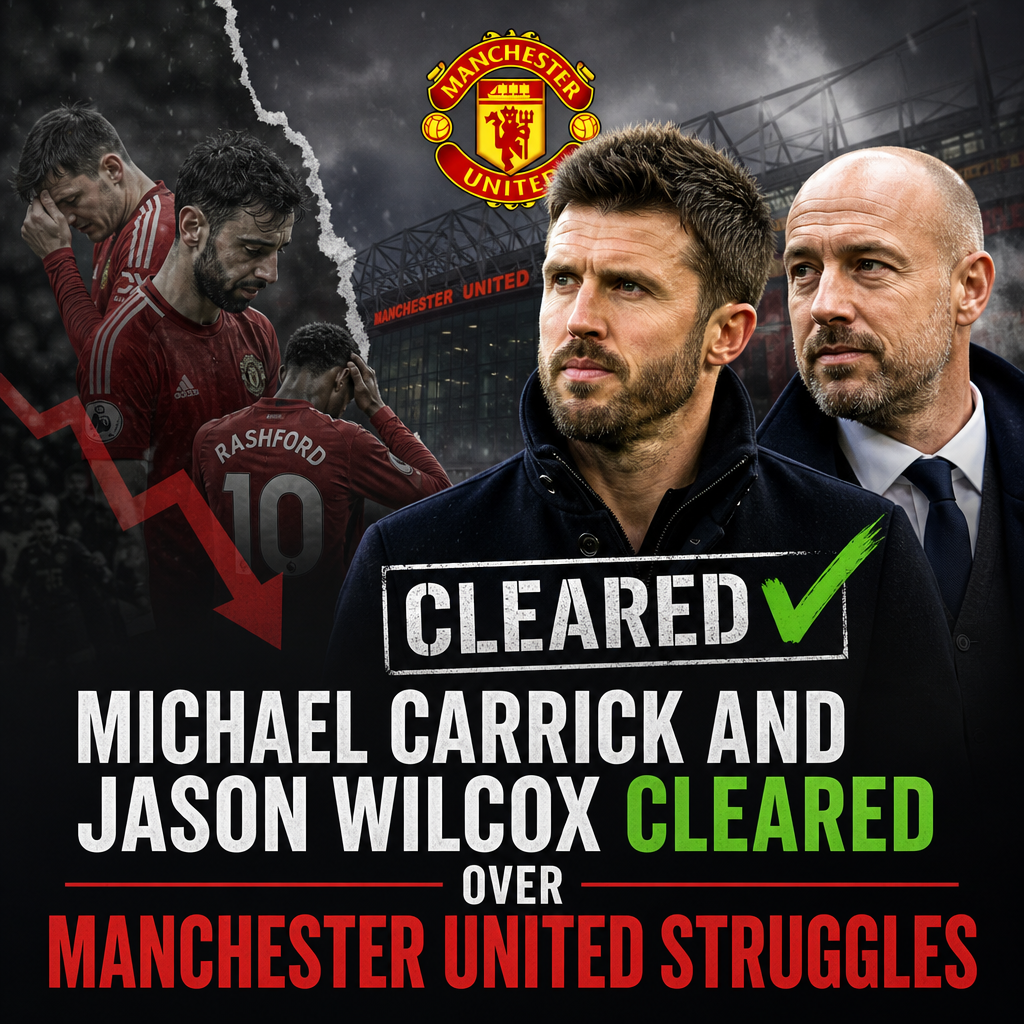
Manchester United has faced significant challenges this season, sparking intense debate among fans, pundits, and club insiders. At the heart of this discussion are key figures Michael Carrick, the club’s manager, and Jason Wilcox, the director of football. While some have criticized their roles in the club’s recent difficulties, several respected voices have stepped forward to clear both Carrick and Wilcox of some responsibility, pointing instead to deeper issues within Manchester United’s management structure.
Michael Carrick: Undermined During the Summer Transfer Window
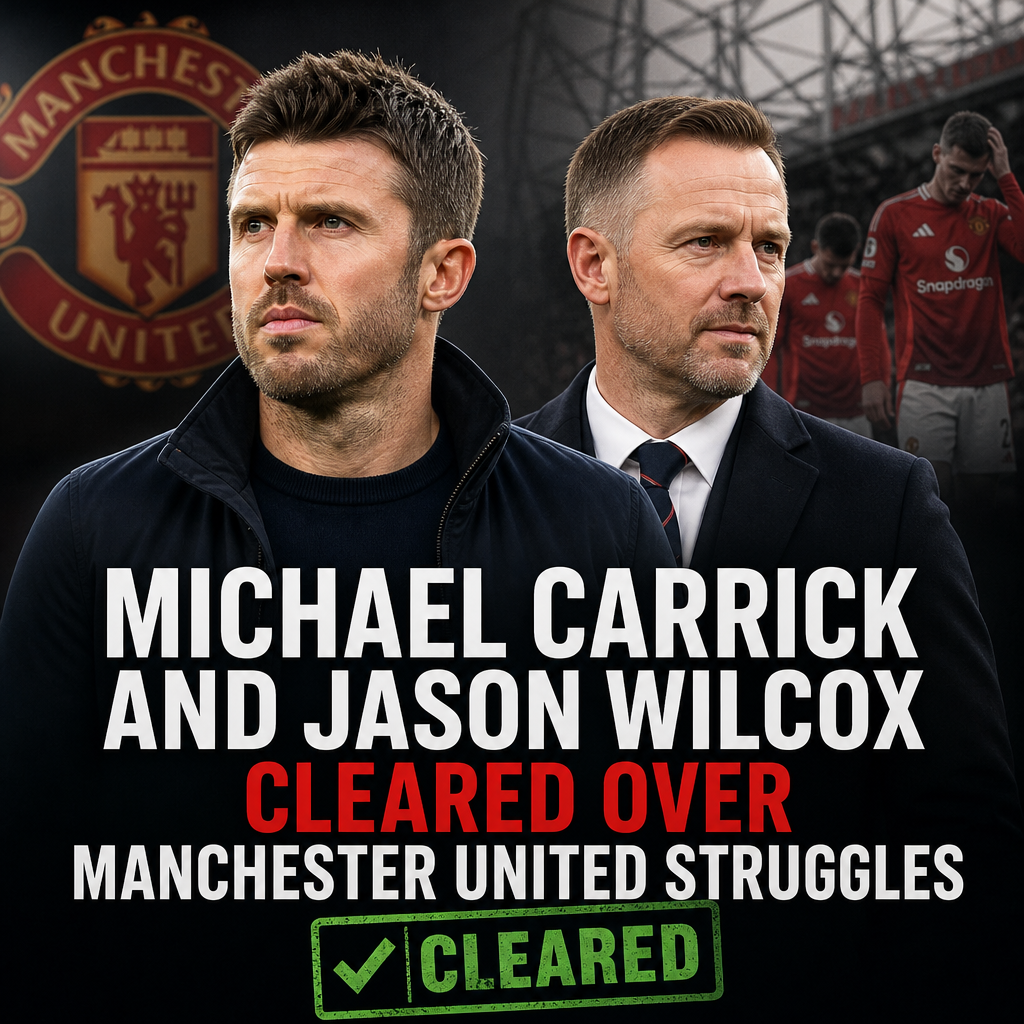
Michael Carrick, a club legend and relatively new manager, stepped into a demanding role at a turbulent time. His tenure has been marked by a series of challenges on the pitch, but important insiders suggest Carrick has been badly let down by the decisions made in the summer transfer window.

Limited Support in Building the Squad
- Lack of Signings: Despite the clear need to strengthen the squad, Carrick did not receive ample reinforcements. Many believe the failure to secure key players hampered his ability to build a competitive team.
- Missed Opportunities: Negotiations and opportunities that could have improved Manchester United’s squad reportedly fell through due to decisions taken at higher executive levels.
As a result, Carrick has had to manage a squad that lacks depth and quality in critical areas, making it unfair to pin all of the team’s struggles solely on his shoulders.
Jason Wilcox: Navigating Budget Constraints and Executive Decisions
Jason Wilcox, the director of football, holds significant responsibility for overseeing recruitment and player development policies. However, insiders highlight that Wilcox was forced to operate within strict financial constraints imposed by senior management, particularly CEO Omar Berrada.
Working Within a Tight Budget
- Budgetary Restrictions: The transfer budget allocated to Wilcox was reportedly limited, curbing his ability to pursue high-profile or multiple targets.
- Executive Oversight: Decisions on spending and recruitment priorities were influenced heavily by the club’s executives, reducing Wilcox’s autonomy in shaping the squad.
Such limitations have made it difficult for Wilcox to maximize the club’s potential in the transfer market, further complicating Manchester United’s pursuit of success this season.
The Role of Senior Executives: CEO Omar Berrada and the Broader Management Structure
Many point to the club’s upper management as being primarily responsible for the struggles Manchester United currently faces. CEO Omar Berrada, along with other senior executives, appears to have played a pivotal role in setting both the budget and overarching strategic plans – decisions that directly impacted Carrick and Wilcox’s ability to succeed.
Factors at Play
- Financial Strategy: A conservative financial approach has limited transfer spending, prioritizing budget control over squad improvement.
- Management Decisions: Several operational decisions, including transfer targets and negotiations, were influenced or dictated by senior figures outside of the football department.
- Pressure on Football Staff: The chain of command and divided responsibilities have created challenges for those directly handling the team and player recruitment.
Why It Matters: Understanding the Bigger Picture
The narrative around Manchester United’s struggles needs context. Holding Michael Carrick and Jason Wilcox solely responsible ignores the complexities behind team management and club operations.
Supporting Carrick and Wilcox
- Recognizing Constraints: Both figures have been working within difficult parameters, and the failure to meet expectations reflects broader institutional challenges.
- Potential for Improvement: Given better support and fewer restrictions, Carrick and Wilcox could have a greater impact and help navigate Manchester United back to the helm of English football.
Fans and Media: A Call for Patience and Nuance
It’s important for fans and media alike to appreciate the multifaceted issues at play, rather than seeking quick scapegoats. This balanced perspective encourages constructive dialogue and helps promote a healthier atmosphere around the club.
Conclusion
Michael Carrick and Jason Wilcox have faced criticism amid Manchester United’s difficult phase, but evidence suggests they have been let down by decisions made at higher levels within the club, particularly during the summer transfer window and via restrictive budget controls set by senior executives like CEO Omar Berrada. As the club looks to stabilize and rebuild, a more supportive and unified approach across all managerial levels will be essential for future success.