Pedro García: Proving Football Can Pay the Bills
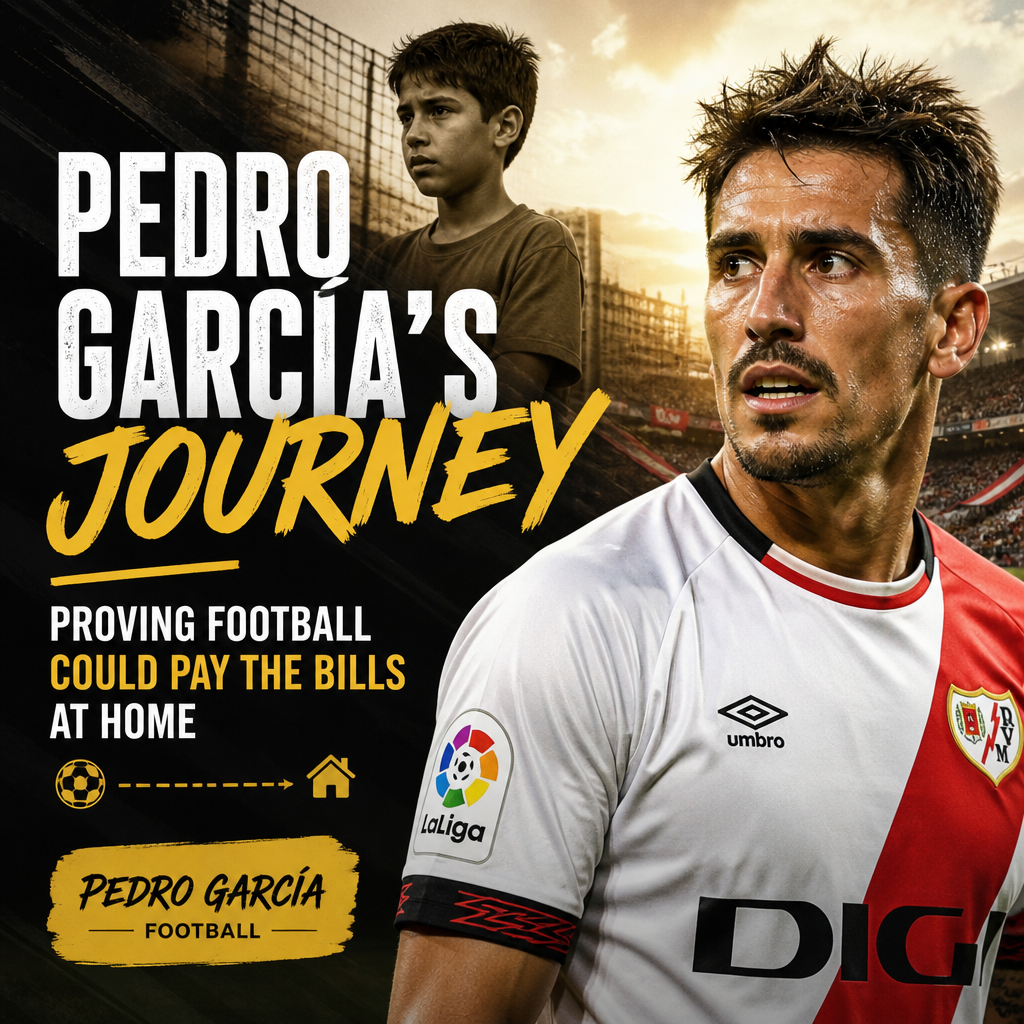
Pedro García’s journey to football success was anything but straightforward. Before he gained recognition and the nickname “poor man’s Romario,” he faced skepticism and doubt—especially at home. His story is a powerful testament to the challenges many footballers endure, not just on the field but within their own families, as they fight to prove that their passion can indeed pay the bills.
A Humble Beginning
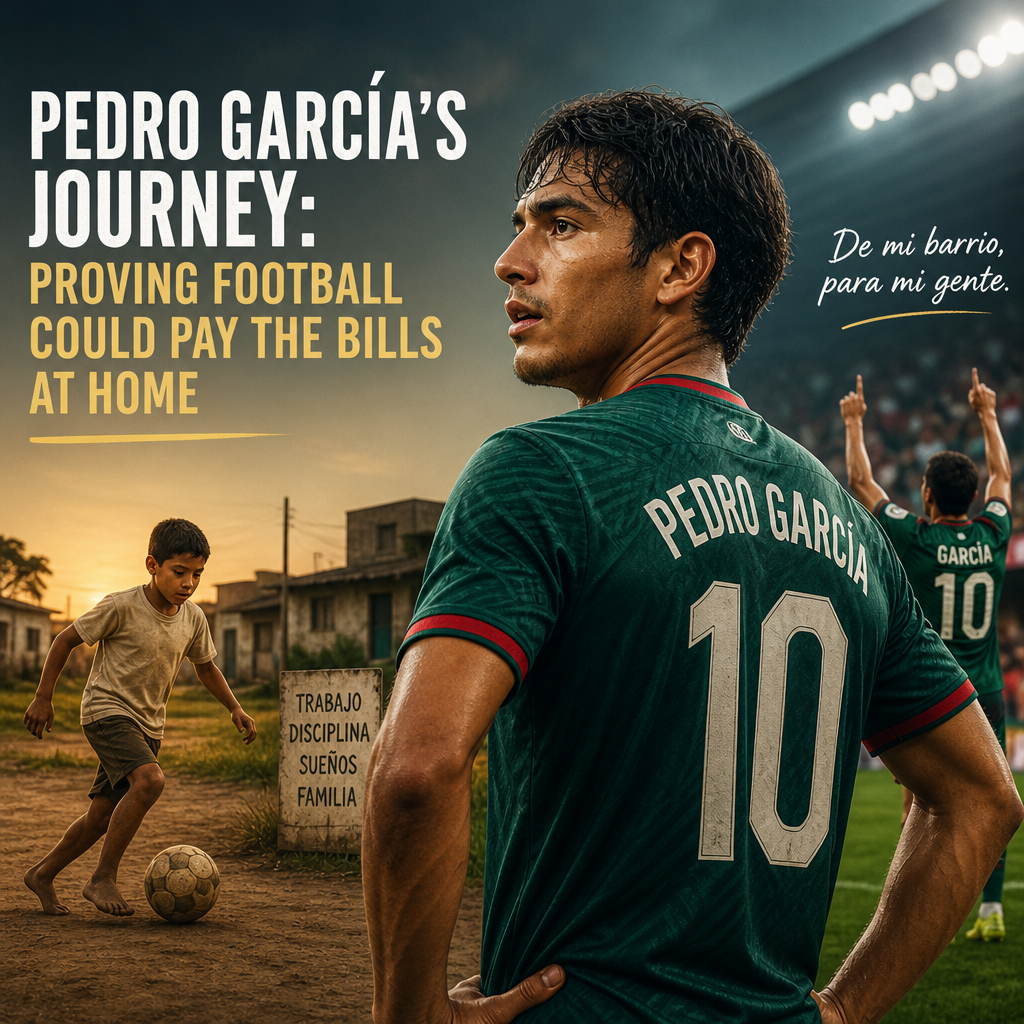
Pedro García grew up in modest circumstances. From a young age, he understood the value of hard work. Before making it big, he sold cakes at Sport Boys, his local club, to contribute to the household income. Money was scarce, and every cent earned was vital for survival.

His early career also took a significant turn when he moved to Sullana to chase his football dreams. This move was a gamble—far from guaranteed success—but Pedro was determined to make it work. The financial instability of those days was a reality, with money coming only in dribs and drabs.
The Doubts at Home
Despite his dedication and early signs of promise, Pedro’s family had trouble believing that football could be a legitimate source of income. This disbelief was most evident when Pedro arrived with $5,000, a substantial sum for his background.
As he shared on the La Fe de Cuto podcast, his mother’s suspicion was immediate. She asked him bluntly, “Who did you steal it from?” Despite Pedro swearing the money was legitimately earned, she remained unconvinced.
This situation highlights a common challenge many football players face: proving to their loved ones that their career choice is a valid profession and not a risky gamble with an uncertain future.
Going to the Club Together
To reassure his mother, Pedro took a brave step—they went to the club together. There, officials explained how the money was earned, and the truth was laid bare. It was a pivotal moment that transcended finances; it was about trust and validating a dream.
By involving his family directly, Pedro not only dissolved doubts but also built a bridge of communication and understanding that many athletes lack. This kind of transparency can be crucial for players coming from humble backgrounds where contracts and earnings might seem abstract or suspicious.
The Reality for Many Footballers
Pedro García’s experience is far from unique. Many soccer players grow up in environments where football is seen as a hobby or a dream far from the realm of financial reality. For numerous families, especially those from low-income backgrounds, the idea that football could “pay the bills” sounds unrealistic—or worse, like a risk.
Here are some reasons why family skepticism is common among aspiring footballers:
- Economic Pressure: When resources are scarce, families prioritize stable and immediate income over uncertain futures.
- Lack of Exposure: Families might not understand the football industry and how contracts and sponsorships genuinely work.
- Cultural Expectations: In many cultures, traditional professions are valued more than sports careers.
- Fear of Failure: Football careers can be short and unpredictable, fueling fears of wasted time and effort.
Why Trust Matters More Than Contracts
Pedro’s story underlines another point: in many families, a mother’s word or a family’s trust outweighs any legal contract. For players emerging from close-knit or traditional households, emotional reassurance is as essential as financial proof.
This dynamic means footballers often have to navigate not only the competition on the field but also the uphill battle of gaining family support. When trust is earned and doubts are overcome, the player’s motivation and mental strength can soar.
The Legacy of the “Poor Man’s Romario”
Today, Pedro García is celebrated as the “poor man’s Romario,” a nickname that speaks both to his skill and his humble roots. His journey reminds aspiring footballers and their families alike that success is possible, even when the odds seem stacked against you.
He represents countless players worldwide who:
- Began with little to no financial backing
- Faced family skepticism and disbelief
- Had to prove their legitimacy repeatedly
- Persevered through uncertainty and hardship
Conclusion
How many soccer players have had to prove in their own homes that what they do isn’t a crime? Pedro García’s story shines a light on this rarely discussed aspect of the beautiful game—the personal battles players fight beyond stadiums and spotlight.
His perseverance, honesty, and determination are a beacon for all young players who struggle to bridge the gap between passion and practical survival. Football is more than just a game; for many like Pedro, it’s a lifeline.
Pedro García’s journey teaches us that belief, both personal and familial, is a vital part of turning dreams into reality.