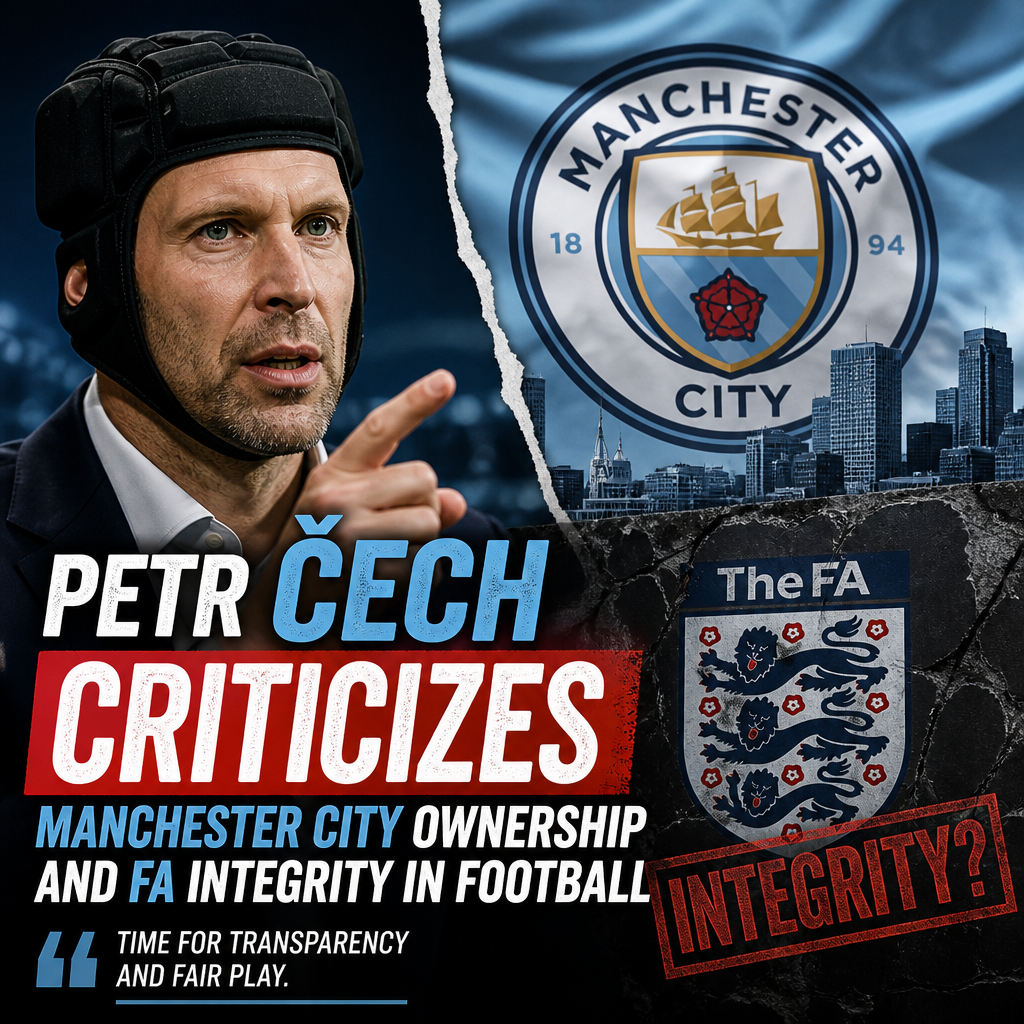
Petr Čech’s Controversial Take on Football Ownership and Integrity
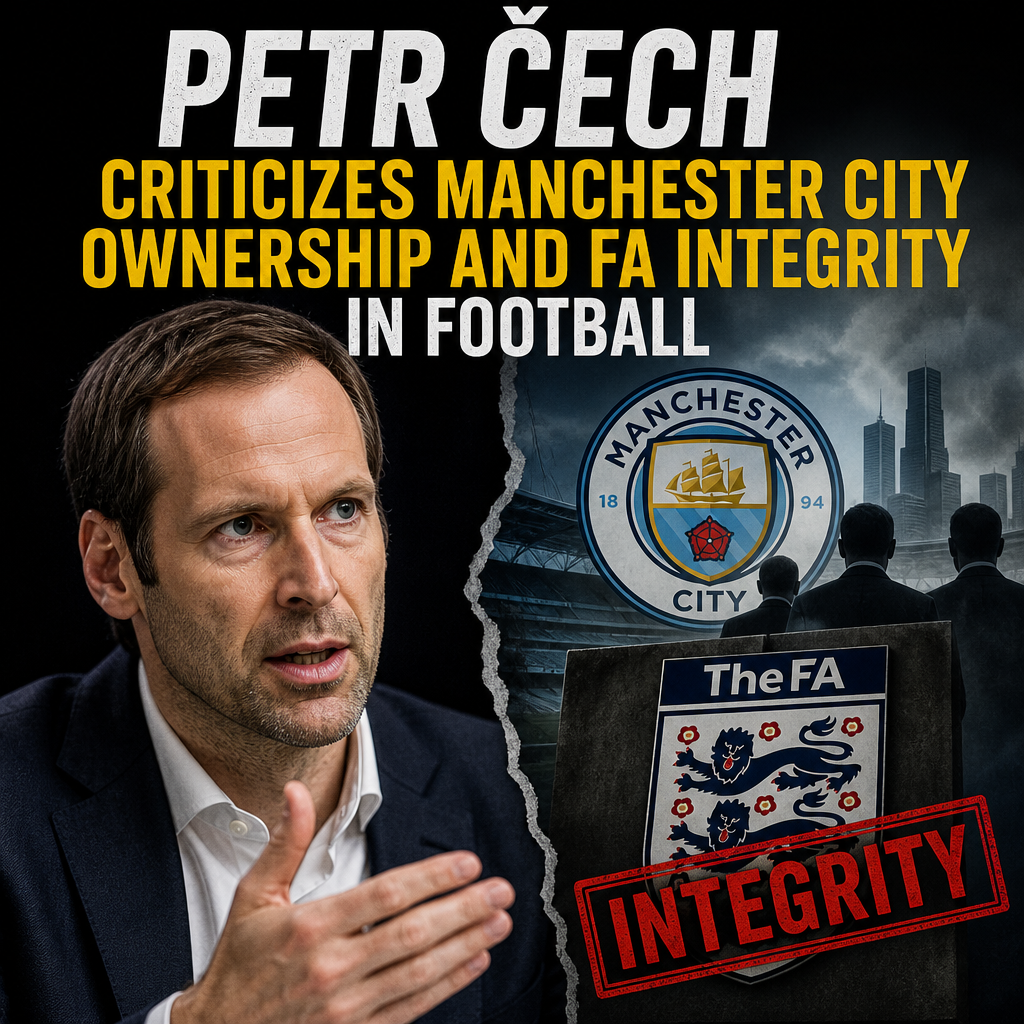
Petr Čech, the former Chelsea goalkeeper and football legend, recently made headlines with some strong comments about football ownership, fairness, and the integrity of the game. His words have sparked debate about how different owners are treated within the football world, highlighting issues beyond the pitch involving politics, money, and governance.
The Roman Abramovich Departure: A Turning Point
Čech pointed to Roman Abramovich’s forced exit from Chelsea as a pivotal moment. Abramovich, the Russian billionaire who transformed Chelsea into a European powerhouse, was “stripped of the club” under pressure linked to geopolitical circumstances. According to Čech, this move was justified by the Football Association (FA) as a matter of upholding the integrity of the game — specifically focusing on the interests above those of any foreign national under scrutiny.

However, Čech believes this principle has now shifted.
“The line from the FA was that the integrity of the game sits above the interest of any foreign national. That line has changed.”
Manchester City: The Pampered Club?
In contrast to Abramovich’s treatment, Čech accused Manchester City of being “pampered.” The club has been embroiled in its own controversies but seems to have received a different form of protection, with appeals and political voices jumping into the conversation.
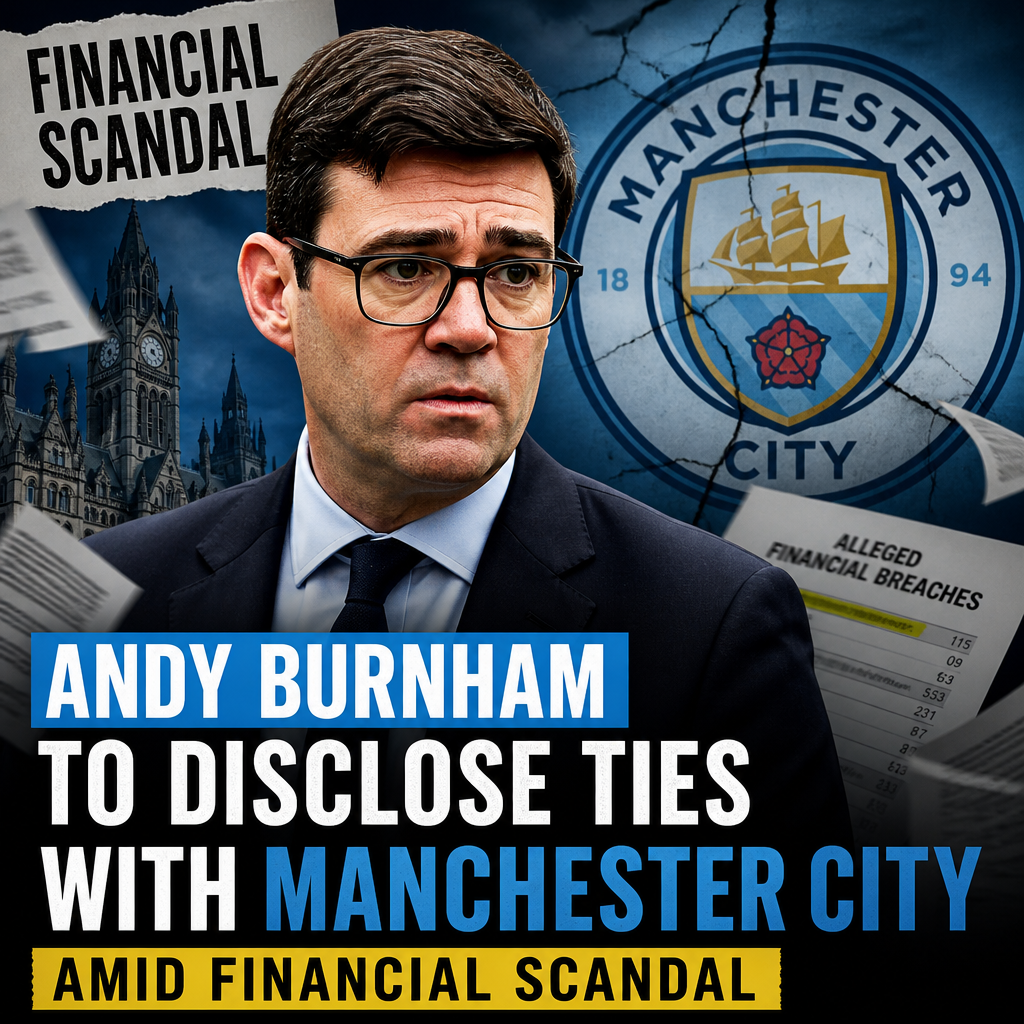
Čech referred to comments from Andy Burnham, mayor of Greater Manchester, who has publicly supported City’s ownership. Čech calls this involvement problematic:
“A supporter of City, dressed up as a fair statement, has arrived from Andy Burnham. That is not his job.”
According to Čech, sports have their own administration and mechanisms to handle such cases, and political interference disrupts neutrality.
The Complex Web of Ownership: American, Russian, Arab
One of the core issues Čech highlights is the unequal treatment of owners based on nationality:
- American Owners
- Russian Owners
- Arab Owners
He asked a rhetorical but pointed question:
“Are they treated the same? No.”
This hints at an underlying geopolitical and economic bias influencing football governance decisions, which Čech warns is dangerous and unfair.
Money, Rules, and Privilege in Football
The conversation boils down to money and rule enforcement. Čech argues that when one club or owner is treated differently from others, it undercuts the very principles the game is supposed to uphold. He pointed out that even though Abramovich was forced to sell, there were no charges or league breaches made against him. Meanwhile, Manchester City continues to be embroiled in investigations but remains “managed, appealed, and spoken for.”
Čech’s key points include:
- The importance of consistency in enforcement of rules.
- The danger of political and financial influence compromising the sport.
- The concern that some clubs receive privileges others do not.
“City Cheated” – The Harsh Verdict
Čech did not mince words about Manchester City’s case:
“In my book, City cheated.”
While the appeals and legal battles continue, Čech stresses that the outcome will determine whether football still has enforceable rules or if it has devolved into a game controlled by “friends.”
What Does This Mean for Football?
This debate highlights the intersection of sport, politics, and finance—a mix that threatens the integrity of football if not managed carefully. For fans and stakeholders alike, the call is clear:
- Fair treatment of all clubs and owners regardless of nationality or influence.
- The need to uphold rules without interference from politics or external pressures.
- Recognition that football is “no longer only about a football club” but about who is protected, who is punished, and how justice is applied across the board.
Conclusion
Petr Čech’s frank analysis urges the football community to reflect on the current state of ownership, governance, and fairness in the sport. His insights challenge fans and officials to consider whether the beautiful game is still governed by rules or by relationships—an issue that will continue to shape the future of football.
In a sport built on passion and fairness, the integrity of the game remains paramount. The football world watches closely as these issues unfold, hoping for clarity, justice, and true competitive equality.