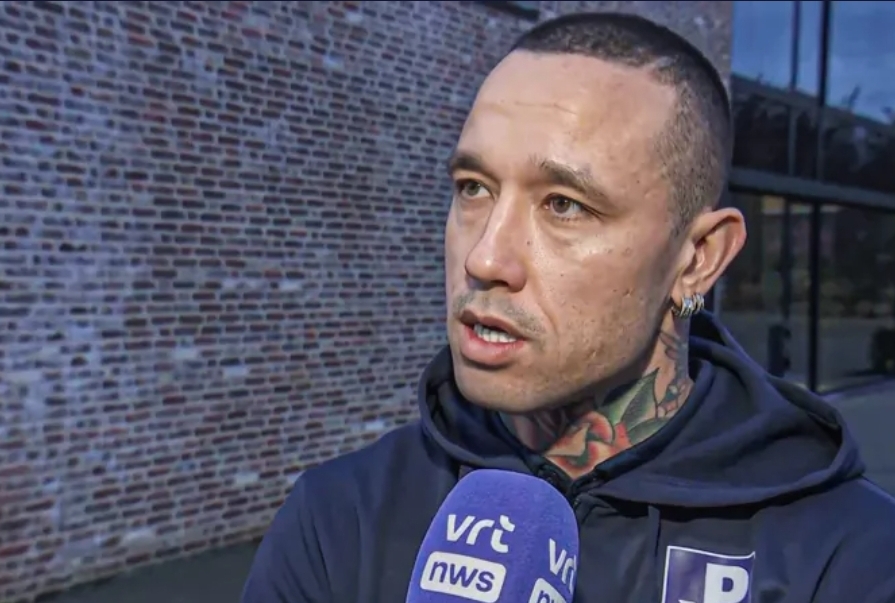
Radja Nainggolan and Others to Stand Trial Over Cocaine Import Case in Antwerp
Radja Nainggolan, the former Belgian national team footballer, has become a central figure in a high-profile criminal case involving the import of cocaine from South America. This development has sent ripples through the footballing world and legal circles alike, as Nainggolan, alongside 15 other suspects, is set to stand trial before a criminal court. The charges mainly revolve around money laundering, with the Brussels Public Prosecutor’s Office linking the footballer to suspicious financial transactions tied to an infamous criminal organisation.
The Cocaine Import Investigation Targets Antwerp Port
Two years ago, authorities in Belgium launched a significant investigation targeting a criminal organisation suspected of smuggling large quantities of cocaine through the port of Antwerp. Known as one of Europe’s busiest and most important logistical hubs, the port has been exploited by traffickers to import illicit substances from South America. The criminal network allegedly organised the unloading and transport of containers carrying cocaine and orchestrated the onward trafficking of the drugs across European borders.
This ongoing probe has revealed a complex web of individuals involved in the operation, bringing to light not just the drug importation but also other criminal activities such as money laundering, use of vehicles with hidden compartments, and unlicensed transport of controlled substances.

Radja Nainggolan’s Connection to Nasr-Eddine Sekkaki and Suspicious Finances
Radja Nainggolan came under the investigators’ scrutiny due to his financial dealings with Nasr-Eddine Sekkaki, the brother of Ashraf Sekkaki — a notorious criminal dubbed the ‘King of Escapes’ for his repeated jailbreaks. It emerged that Nainggolan received significant sums of money from Nasr-Eddine Sekkaki, which he later repaid. While Nainggolan has consistently denied any involvement in drug-related activities, these financial transactions raised red flags for prosecutors.
Importantly, the Brussels Public Prosecutor’s Office clarified that the footballer was never charged with drug trafficking or membership of the criminal gang responsible for cocaine importation. Instead, the charges against Nainggolan focus on money laundering — specifically, “concealing the nature, origin, location, disposal, movement or ownership of criminal assets.”
Charges and Legal Proceedings for Nainggolan and Other Suspects
While Radja Nainggolan faces only money laundering allegations, the other 15 suspects charged in the case face a broader array of accusations. Among those, two suspects are also charged with hiding criminal assets, similar to Nainggolan’s case. Other defendants confront serious allegations, including:
- Import, export, and transport of substances without licences, with aggravating circumstances.
- Membership of a criminal organisation implicated in large-scale drug trafficking.
- Possession of vehicles fitted with hidden compartments, a common method used for smuggling drugs.
Three of the suspects will be tried as leaders of the criminal organisation, indicating their central role in coordinating the import and distribution of cocaine. Conversely, three of the individuals initially linked to the case will not proceed to trial.
The Footballer’s Defense and Judicial Perspective
Throughout the investigation and subsequent arrest in January 2025, Radja Nainggolan has maintained his innocence regarding the core criminal allegations. The judiciary appears to have accepted this stance to a degree, as he was not charged with drug trafficking or associated gang membership. However, the lingering suspicion around money laundering prevents a clean slate, suggesting the complexity of the financial transactions involved.
Nainggolan’s case highlights the challenges law enforcement face in tackling organised crime that uses established public figures and their networks to launder money or facilitate illicit activities indirectly. His trial is likely to examine whether Nainggolan knowingly accepted criminal proceeds or whether the funds were received without his awareness.
Broader Implications of the Antwerp Drug Smuggling Case
This case underscores the persistent problem of drug trafficking through major European ports and the sophisticated networks behind these operations. Antwerp’s critical position as a logistics hub makes it a perennial target for smuggling organisations, employing tactics like container shipping and modified vehicles to evade detection.
Moreover, the involvement of high-profile individuals in financial crimes related to drug trafficking brings attention to how criminal enterprises diversify their operations beyond direct drug handling, incorporating complex layers of money laundering and asset concealment.
Conclusion: Awaiting Justice in a Landmark Case
Radja Nainggolan and 15 others facing trial represent just the tip of the iceberg in the fight against international drug trafficking and organised crime. As the criminal court proceedings unfold, the case promises to offer insights into the inner workings of a major cocaine import network and the financial underpinnings that sustain it.
For Radja Nainggolan, the trial offers an opportunity to clear his name regarding drug trafficking allegations, but he will have to confront serious money laundering charges nonetheless. This situation serves as a cautionary tale about the vulnerabilities even celebrated sports personalities face when entangled in criminal enterprises.
Ultimately, this trial is a crucial step toward dismantling a long-running drug importation scheme and improving the security and governance of critical transit points like the port of Antwerp.