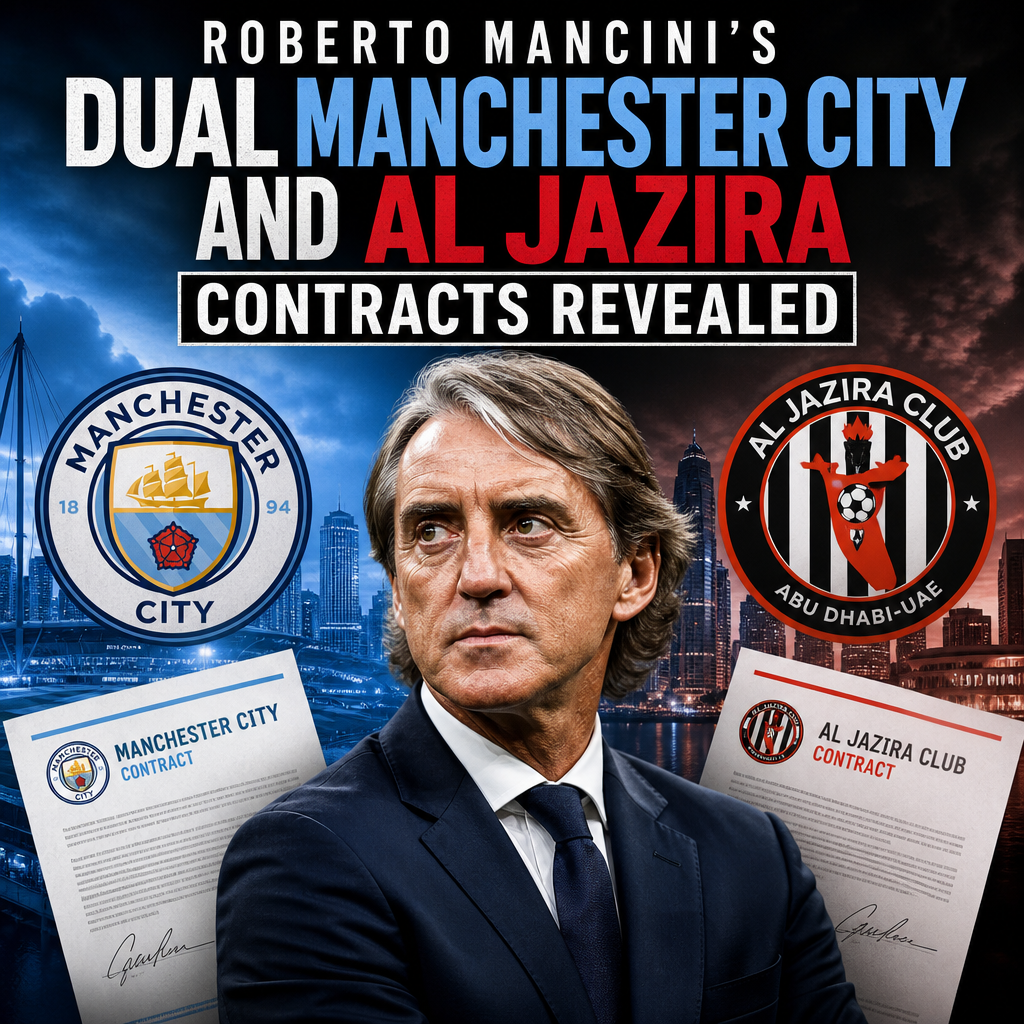
Roberto Mancini’s Dual Contracts During His Manchester City Tenure
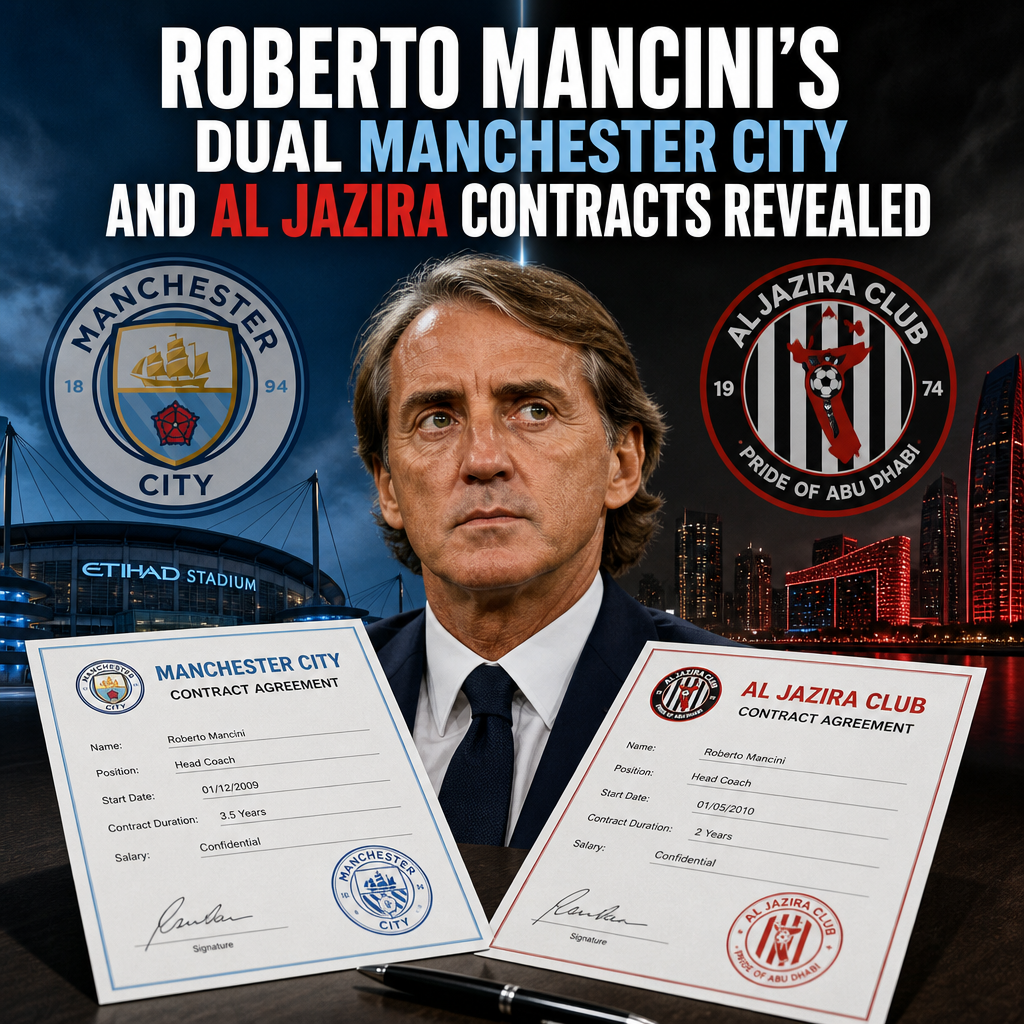
Roberto Mancini’s period as manager of Manchester City was marked by success and controversy, but one particularly intriguing aspect that recently surfaced pertains to his contractual arrangements. Unlike most managers who sign a single contract with their club, Mancini reportedly held two separate contracts during his tenure at Manchester City. This unprecedented arrangement highlighted the unique ownership structure behind the club and raised many questions about transparency in football management deals.
The Official Manchester City Contract
According to information sourced from Gazzetta dello Sport, Mancini’s official contract with Manchester City paid him a basic net salary of €1.69 million per year. This figure alone places him among the higher-paid managers in the Premier League, reflecting the club’s ambitions and the importance of his role in transforming City into a title contender.

This contract covered all of his managerial duties, including team training, match preparation, and media responsibilities. It was the standard type of agreement one would expect from a top-level football manager in a major European club.
The Second Contract with Al Jazira
What makes Mancini’s situation exceptional was the discovery of a second agreement signed with Al Jazira, another football club based in Abu Dhabi. This contract reportedly paid Mancini an additional €2.03 million per year for performing just four days of consultancy work annually.
Al Jazira and Manchester City share common ownership under Sheikh Mansour, a member of Abu Dhabi’s ruling family. This connection is essential to understanding why Mancini held contracts with both clubs simultaneously. The consultancy role at Al Jazira, though brief in terms of days worked, came with a lucrative price tag that significantly boosted Mancini’s total annual earnings during his time in England.
Why Two Contracts?
The dual-contract arrangement brings up several points worth discussing:
- Ownership Structure: Both Manchester City and Al Jazira are owned by entities linked to Sheikh Mansour, which likely facilitated this unusual contract setup.
- Financial Optimization: Salaries spread across multiple clubs might have been arranged for logistical or financial strategy purposes within the broader network owned by Sheikh Mansour.
- Questions of Transparency: While not illegal, such arrangements can raise eyebrows among fans, commentators, and regulatory bodies concerned with ensuring clarity in football finances.
The Role of Sheikh Mansour’s Ownership
Sheikh Mansour’s investment revolutionized Manchester City from a mid-table Premier League club to a global football powerhouse. Owning multiple clubs worldwide, including Al Jazira, enables strategic cooperation across teams and operational flexibility. Mancini’s dual contract is a reflection of this unique ecosystem where interconnected clubs share resources, staff, and expertise.
Having a manager work for two clubs under the same ownership umbrella, even if focusing mainly on Manchester City, showcases the modern reality of football clubs as parts of international sporting conglomerates rather than standalone entities.
Implications for Football Contracts
Roberto Mancini’s case opens up broader discussions about the nature of football contracts and managerial compensation today:
- Multiple Roles for Managers: Could it become common for coaches and managers to serve in various capacities across clubs owned by the same group?
- Financial Fair Play Considerations: Dual contracts might impact how clubs report wages under UEFA’s Financial Fair Play regulations.
- Future Transparency Requirements: Football associations may seek clearer rules around such multi-club employment to avoid hidden payments or conflicts of interest.
Summary
Roberto Mancini’s managerial stint at Manchester City is now known to have involved not just the headline contract with the English club but also a supplementary consultancy agreement with Al Jazira, paying him a combined sum considerably higher than his basic salary alone. Both contracts demonstrate how Sheikh Mansour’s ownership allows flexible and creative financial arrangements across his football investments.
While the standard contract paid Mancini approximately €1.69 million net per year, the additional contract from Al Jazira, requiring only four days of work, added roughly €2.03 million yearly. This unusual setup highlights new dynamics in football management and ownership structures with wider implications for transparency and financial regulation in the sport.
Source: Gazzetta dello Sport