Thomas Tuchel’s Revolutionary Approach to Player Wellbeing at the World Cup

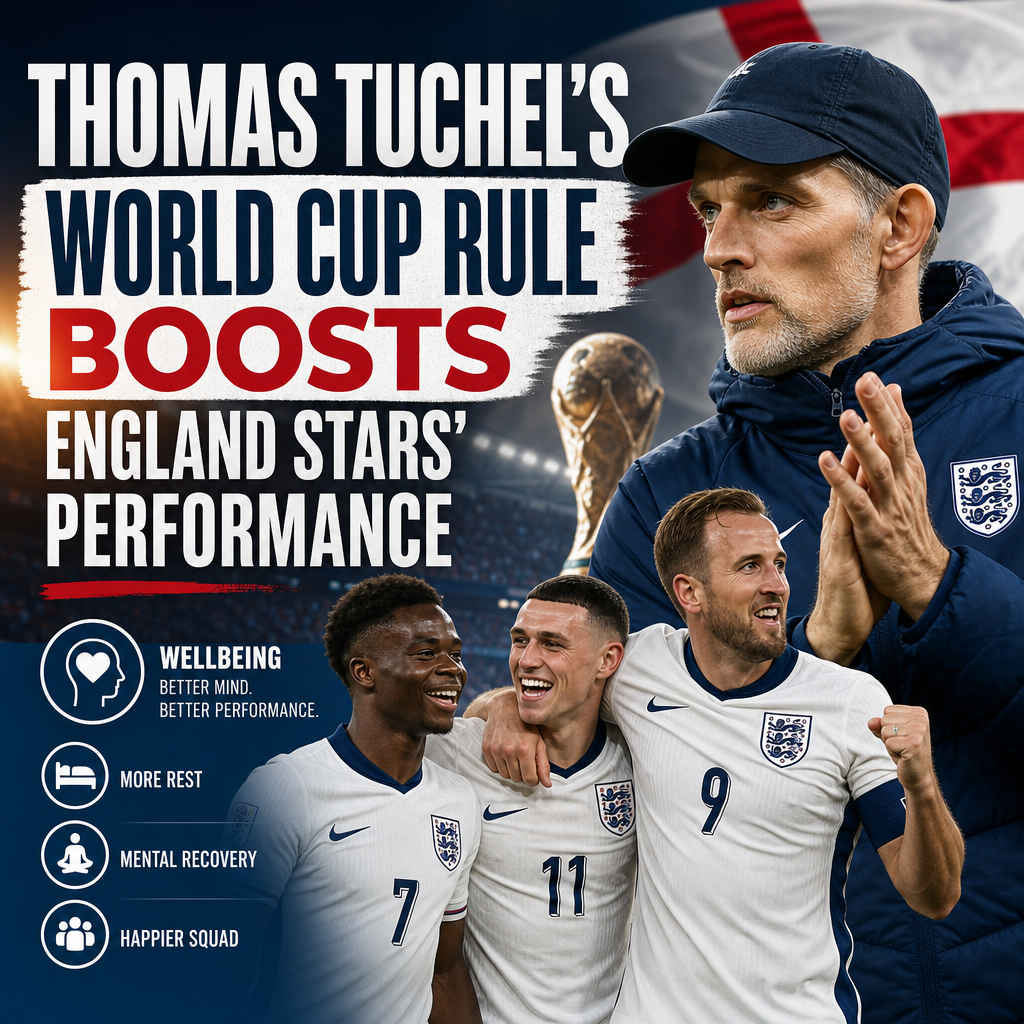
In the high-pressure environment of the World Cup, managing player performance goes beyond training and tactics. England’s head coach Thomas Tuchel has introduced a groundbreaking approach to player wellbeing and morale, allowing his players to spend nights with their partners during the tournament—except on match days. This innovative strategy has had a remarkable impact on the team’s cohesion and performance.
A New Level of Freedom and Trust
Traditionally, players at major tournaments stay in a controlled environment away from outside distractions to maximize focus. However, Tuchel’s policy breaks this mold by permitting players to reunite with their loved ones during rest periods. This decision reflects a deep trust in the players’ professionalism and acknowledges the importance of mental and emotional balance.

Allowing players to spend intimate time with their partners can help relieve stress and boost motivation, which is crucial when competing at such an intense level. Tuchel’s method sends a clear message: player wellbeing is a priority, and life outside football matters even during the World Cup.
Prominent Examples: Jude Bellingham and Harry Kane
Two of England’s standout stars, Jude Bellingham and Harry Kane, have taken full advantage of this flexible arrangement. Bellingham, often accompanied by his girlfriend Ashlyn Castro, and Kane, frequently spending time with his wife, have not only strengthened their personal bonds but also shown outstanding performances on the pitch.
Their consistent presence at the top of England’s goals and assists leaderboard during the tournament signals a strong connection between personal happiness and athletic success. It’s no coincidence that these players—who are among the most rested and emotionally balanced—are leading the team in crucial offensive contributions.
The Benefits of Balance in High-Stakes Tournaments
Tuchel’s approach highlights several key benefits of balancing personal and professional lives during a demanding event like the World Cup:
- Improved Mental Health: Spending quality time with loved ones can reduce anxiety and boost players’ overall moods.
- Increased Motivation: Personal support often translates into increased drive and confidence on the field.
- Enhanced Team Spirit: When players feel personally fulfilled, they contribute more positively to the team environment.
- Better Recovery: Emotional comfort can aid physical recovery, leading to better performance during matches.
This balance helps players recharge physically and mentally, preparing them to deliver their best when it really matters.
A Model for Future Tournaments?
Tuchel’s innovative player care model presents an interesting case study for coaches worldwide. As football evolves, so too must the methods of managing players both on and off the pitch. Providing emotional support systems and fostering a sense of normalcy could become a standard part of tournament preparations.
Coaches who prioritize holistic wellbeing may see improvements in player output, reduced burnout, and deeper team unity. England’s current display under Tuchel’s guidance could inspire other national teams to consider flexibility in their own protocols.
Conclusion: Off-Field Time Equals On-Field Success
Allowing players to spend the night with their partners during the World Cup (with reasonable restrictions) highlights the growing recognition of emotional wellbeing in sports. Jude Bellingham and Harry Kane exemplify how this balance positively influences performance—being some of the top contributors for England.
Thomas Tuchel’s bold move may indeed redefine how professional football treats player lifestyles during critical tournaments, emphasizing that a happy and rested player is a valuable asset on the road to victory.