The Sheer Scale of Spurs Amid Premier League Relegation Threat
The scale of Spurs as a football club is truly immense, especially considering they currently sit perilously close to relegation from the Premier League. Despite their status as the sixth-most valuable squad in England’s top flight and owning a £1 billion stadium, Tottenham Hotspur face a battle that many thought improbable for such a high-profile club: staying clear of the drop into the Championship.
Spurs’ Squad Cost: A World Apart From Their Rivals
One of the most glaring contrasts when examining Spurs’ predicament is the value of their playing squad. With a combined valuation of approximately £747.8 million, Tottenham possess the sixth most valuable squad in the Premier League. This staggering figure dwarfs the squad costs of fellow relegation candidates such as Nottingham Forest and West Ham, whose squads collectively fall well short of Spurs’ price tag.
This vast financial investment in players naturally leads fans and pundits alike to question why such a valuable assembly of talent is struggling near the bottom of the table. It is a reminder that football success is not simply purchased through expensive signings and high valuations; team cohesion, management, tactics, and morale play critical roles.

Wages: A Heavy Payroll and the Consequences of Relegation
The enormous scale of Spurs is not just reflected in player valuations but also in their wage bill. According to Capology’s estimates for the 2025/26 season, Tottenham rank seventh in the Premier League for annual wages. Their gross payroll clocks in at an eye-watering £136.8 million — that is £49.3 million more than Nottingham Forest and £62.6 million more than West Ham. Both these clubs are direct competitors in the fight to avoid relegation.
Put in perspective, Spurs’ wage bill is more than three times that of Leicester City, the highest spender in the Championship. Should the seemingly unthinkable happen and Spurs are relegated, the club will face the daunting task of executing dramatic cost-cutting measures to survive financially outside the Premier League. Players’ contracts, transfer obligations, and the absence of a relegation release clause for the new manager Roberto De Zerbi compound the complexity of this challenge.
Transfer Market Spending Highlighting the Gap
Alongside wages and squad cost, Tottenham’s spending in the transfer market accentuates their scale relative to their current situation. Over the past five seasons, Spurs’ transfer outlay has been approximately 67% of the combined fees paid by the three clubs currently embroiled in relegation battles. More strikingly, Tottenham’s transfers over just two windows this season nearly match the total spending across the entire Championship.
This financial muscle highlights the difficulty in reconciling Spurs’ on-field struggles, given their enormous investment in talent acquisition, while several clubs with far less financial firepower fare better in league standings.
Revenue and Stadium Capacity: Numbers That Amaze
Financially, Spurs are giants in the footballing world. Ranked ninth in Europe’s Deloitte Money League for 2026, Tottenham’s revenue hit €672.6 million (£565 million at the time) for the 2024/25 season. This places them just behind Manchester United and ahead of global clubs such as Chelsea and Inter Milan.
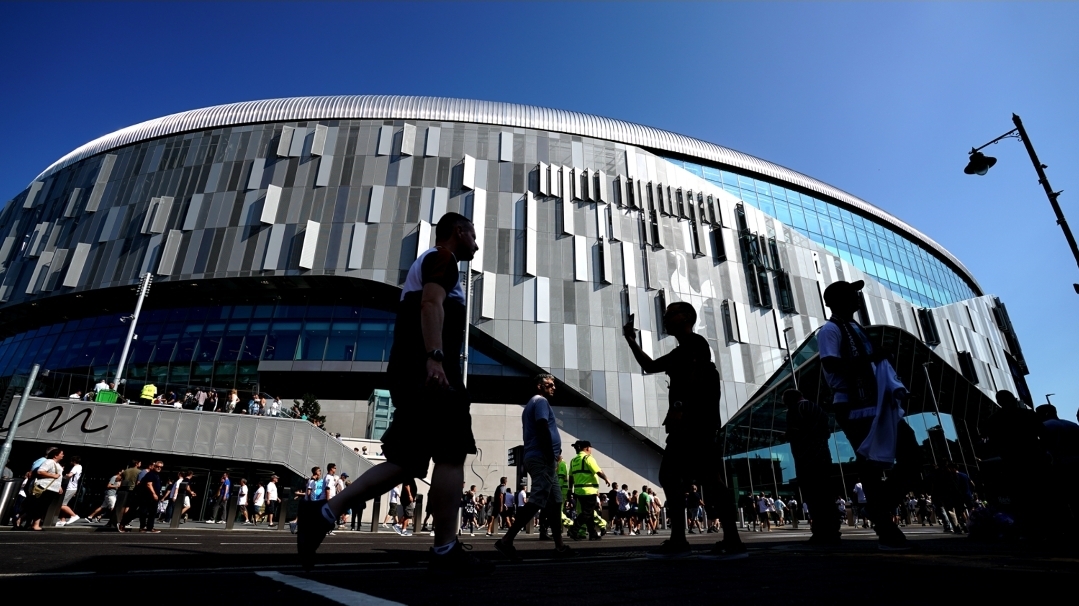
Their £1 billion stadium, the Tottenham Hotspur Stadium, is another symbol of the club’s scale. With a seating capacity of 62,850, the venue is among the largest in England and one of the most impressive football stadiums globally. The prospect of Spurs playing in the Championship next season brings an almost surreal comparison with clubs in the second tier. For instance, Lincoln City’s LNER Stadium holds a mere 10,130 supporters — a fraction of Tottenham’s capacity.
The Enormity of a Potential Demotion
The potential drop to the Championship represents a seismic shift for Tottenham, both financially and culturally. It would be an unprecedented fall for a club of such stature — a club whose history, commercial deals, global fanbase, and physical infrastructure are all built on Premier League status.
For Lincoln City and other smaller clubs, facing Spurs away in the Championship would be a huge occasion. Yet, as celebrated as Lincoln’s fans might be in welcoming Spurs, it would perhaps serve to emphasize the vast gulf in scale between clubs traditionally in the second tier and the Premiership giants.
Conclusion: A Stark Reality Check for Spurs
Tottenham Hotspur’s current predicament starkly illuminates the complexities and unpredictability of modern football. Despite boasting one of the most valuable squads, significant wage bills, and one of the most impressive stadiums in world football, their league position is dangerously precarious.
The club’s magnitude — be it financial muscle, player quality, or infrastructure — creates a paradox where relegation is difficult to imagine but impossible to rule out. The coming weeks will be critical for Spurs as they attempt to reconcile their ambitions with the harsh realities of on-pitch performance, demonstrating that in football, scale and spending alone do not guarantee success.