UEFA’s Boycott Threat Against FIFA Competitions Remains Unchanged
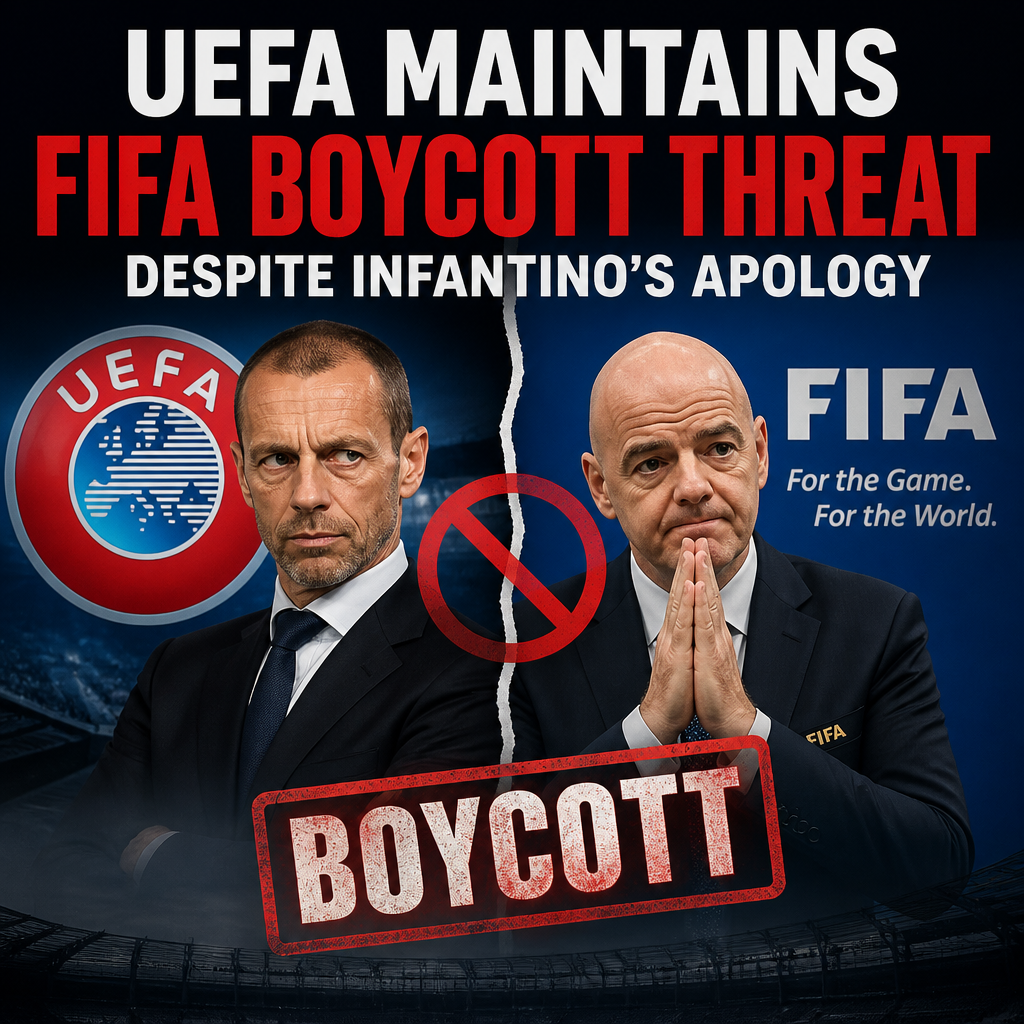
UEFA has firmly reiterated its threat to boycott all FIFA competitions, including the World Cup, despite an official apology from FIFA President Gianni Infantino. In a bold and defiant statement, Europe’s football governing body declared that FIFA’s internal show of support for Infantino “changes nothing.” This ongoing dispute reflects a deep schism within global football governance, with UEFA standing its ground on critical demands.
Why the Boycott Stands
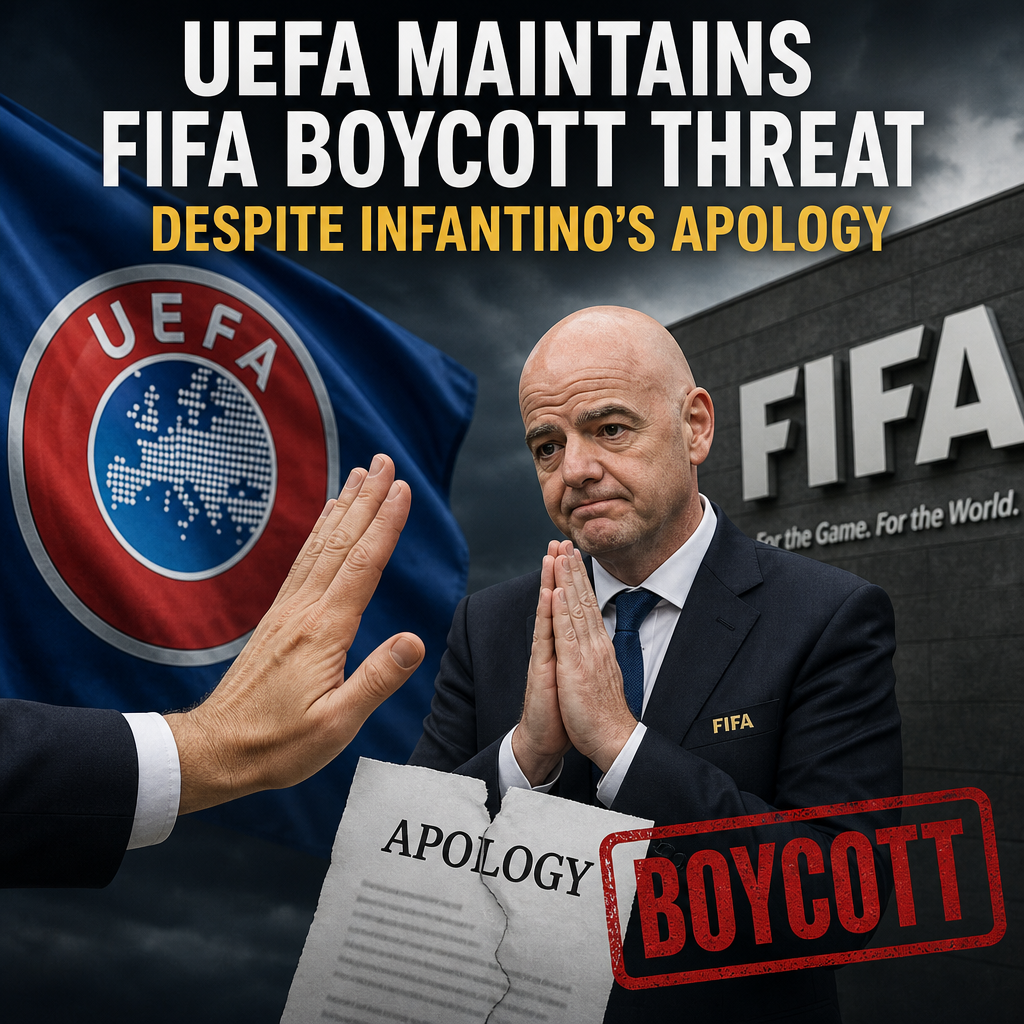
UEFA has outlined clear reasons why it will not participate in FIFA competitions until its conditions are fully satisfied. The core points can be summarized as follows:
1. Permanent Withdrawal of the FIFA Forward Enterprise Proposal
Although Infantino has scrapped the much-criticized FIFA Forward Enterprise (FFE) proposal—which involved selling a 21% minority stake in the World Cup to private equity investors—UEFA demands absolute certainty that this plan is dead forever. They seek complete transparency and irrevocable cancellation of any similar future ideas.
2. Binding Legal Assurances
UEFA insists on legally binding guarantees from FIFA to ensure that no similar commercialization or “disfigurement” of major international tournaments’ governance will ever occur again. They want formal, enforceable commitments, not just verbal promises or corporate reviews.
3. Irreversible Loss of Trust
UEFA has expressly stated that it has entirely lost confidence in Gianni Infantino’s presidency. The football body maintains that this trust cannot be restored through internal audits or carefully worded corporate evaluations. UEFA’s stance is that real change must occur to mend the fractured relationship.
The Secret Deal That Sparked the Crisis
The crisis began when a secret $20 billion (approximately £15 billion) plan, orchestrated by Infantino, was leaked to the public. This ambitious arrangement involved spinning off FIFA’s commercial operations into a new entity backed largely by a New York venture capital firm connected to high-profile investor Joshua Kushner.
UEFA, along with the Confederation of North, Central America and Caribbean Association Football (CONCACAF) and the Asian Football Confederation (AFC), vocally rejected the plan. Their objections centered on the belief that introducing private investors into FIFA would:
- Compromise the integrity of global football
- Lead to reckless expansion without adequate governance
- Threaten the sport’s core values by prioritizing profit over fair competition
The leak and resulting fallout triggered an unprecedented internal civil war within world football.
Current State of Play
The situation remains tense and unresolved, with key developments shaping the future of FIFA and UEFA relations.
FIFA’s Stance
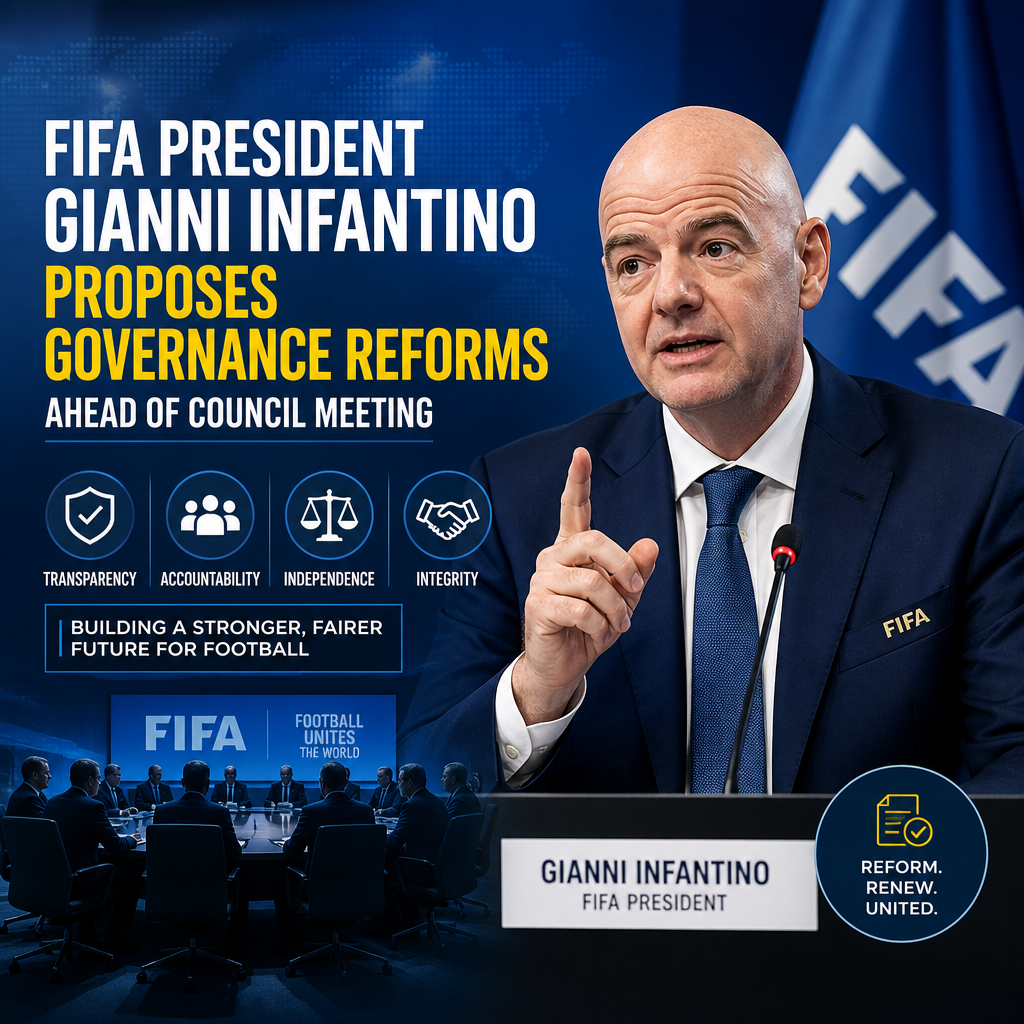
Following an emergency crisis meeting in Rabat, Morocco, FIFA management issued a formal apology acknowledging that “mistakes were made” in the handling of the FFE proposal. However, the organization aggressively defended Gianni Infantino, stating that he retains the “full support” of his administration.
Electoral Fallout
Several prominent UEFA member associations have withdrawn their support for Infantino’s re-election ahead of the March 2027 FIFA Congress. This coalition includes:
- The English Football Association (FA)
- The Football Association of Wales
- The Serbian Football Federation
- Federations of Sweden and Finland
This loss of backing reflects widespread dissatisfaction within European football circles with Infantino’s leadership and the direction of FIFA’s governance.
Immediate Timeline and Potential Boycott Impact
If no resolution is reached, the first practical manifestation of a UEFA-led boycott will be seen during the FIFA Under-20 Women’s World Cup in Poland, scheduled to begin on 5 September 2026. This would mark a significant escalation of the conflict and could have lasting repercussions on the sport’s international calendar.
What Lies Ahead?
The ongoing dispute between UEFA and FIFA poses serious questions about the future governance of global football. For fans, players, and stakeholders, the key considerations include:
- Will FIFA offer the legally binding assurances UEFA demands?
- Can trust be reconstructed through transparent reforms and leadership changes?
- How will FIFA respond if UEFA follows through on its boycott during major tournaments?
Football lovers worldwide are watching closely as these two powerhouse organizations negotiate the future of the game on the world stage.
UEFA’s stance remains firm: without permanent safeguards against commercialization schemes and confidence in FIFA’s governance, participation in FIFA competitions is at risk. The road ahead is uncertain, but one thing is clear—this conflict signals a crucial turning point for international football.