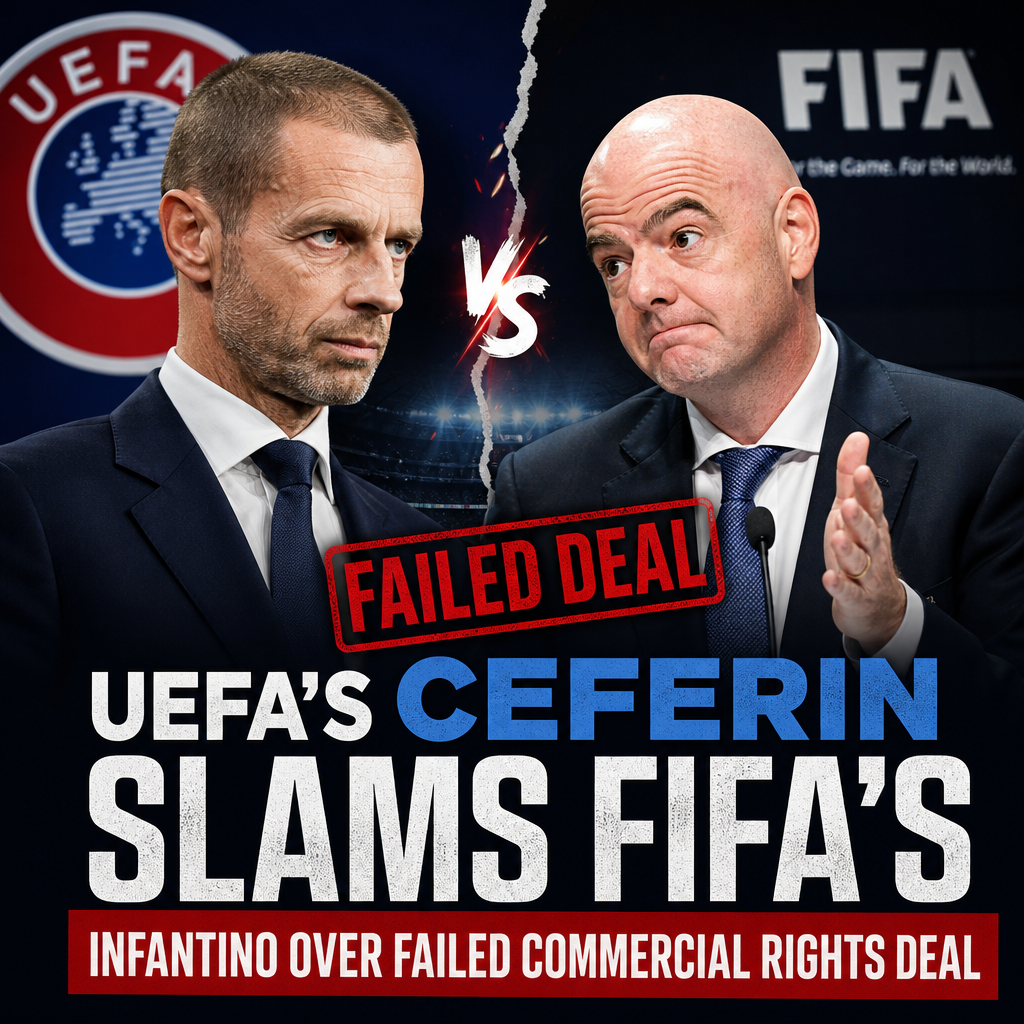
UEFA President Aleksander Ceferin’s Powerful Message: “The Emperor is Naked”
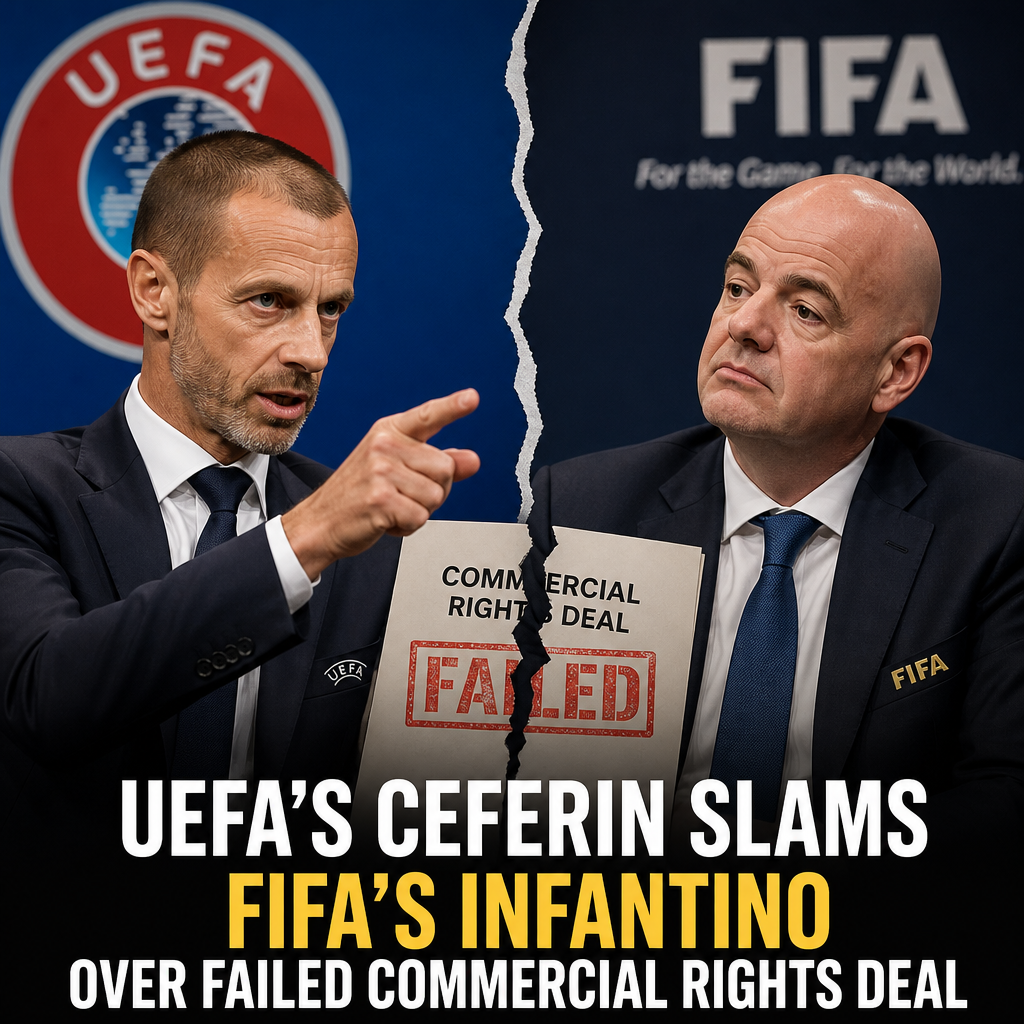
In a striking speech delivered at the European Football Clubs General Assembly in Copenhagen, UEFA President Aleksander Ceferin used the timeless tale of The Emperor’s New Clothes to deliver a blistering critique of FIFA President Gianni Infantino’s controversial proposal regarding the future of football’s commercial rights. Ceferin’s words have resonated deeply within the world of football, highlighting growing tensions over governance and transparency within the sport’s highest bodies.
The Emperor’s New Clothes: A Tale with a Lesson
Almost 200 years ago, Hans Christian Andersen wrote The Emperor’s New Clothes—a story about an emperor who is deceived into believing he is wearing magnificent garments. In reality, he is naked, a fact only a child dares to say aloud. This parable mirrors the situation Ceferin described in world football governance: illusions and convenient words masking uncomfortable truths.

Ceferin stated:
“An emperor is persuaded that he is wearing magnificent clothes, clothes which he is told only the foolish or unfit cannot see. His court goes along with it until a child simply says aloud what everybody can see. The emperor is naked.”
In this metaphor, Ceferin positioned FIFA and its leadership as the emperor, blind to or deliberately ignoring the reality of their approach to football’s governance and future.
Criticism of the FIFA Forward Enterprise Proposal
At the heart of Ceferin’s rebuke was FIFA President Gianni Infantino’s shelved project, FIFA Forward Enterprise. This plan aimed to create a FIFA-controlled commercial subsidiary that would hold the rights to prestigious competitions such as the men’s and women’s World Cups and the Club World Cup. FIFA had proposed selling up to 20% of this entity to private investors, promising that it would bolster funds for the development of football worldwide.
Infantino had framed the project as a democratic and consultative process involving FIFA’s 211 member associations, but Ceferin called this narrative into question.
“Development”, “Democratisation,” and “Consultation” — Convenient Words, Not Reality
Ceferin tore apart the language FIFA had used to justify the proposal, saying:
“Perhaps the moral of the story is convenient words cannot change uncomfortable realities.”
He emphasized that buzzwords like development, democratisation, and consultation were used to describe actions that actually contradicted those principles:
- Development: Selling part of football’s future is not genuine growth simply because it is labeled as such.
- Democratisation: Presenting national associations with a near-completed deal is not true democracy, no matter how it’s phrased.
- Consultation: The lack of meaningful input or approval from key stakeholders undermines genuine consultation.
Imagining the Fallout: What if Your Club’s Leadership Acted Secretly?
To drive his point home, Ceferin asked club executives to imagine the consequences if a senior official secretly negotiated away the club’s most valuable assets—the “crown jewels”—without informing the board, players, or supporters until the deal was almost done. He posed a powerful question:
“What would your board do?”
He then painted a scenario where such a leader awards a politician, who subsequently influences the rules of the game through a phone call. Ceferin asked,
“How many times would this have to happen at your clubs before the world says ‘enough’?”
His answer was clear and resolute:
“Well, my friends, I think it’s time to say enough.”
Accusations of Rule-Bending and Exclusion
Ceferin’s speech did not just criticize one failed project. He went further, accusing unnamed decision-makers in football governance of:
- Bending rules when inconvenient
- Excluding key voices who should have been part of decisions
- Treating football’s future as “just another bargaining chip”
This strong language reflects an urgent call for reform and respect for the democratic principles that should underpin global football governance.
Conclusion: A Call for Transparency and Accountability
Aleksander Ceferin’s speech is a vivid reminder that football’s leadership must be transparent, accountable, and genuinely service-oriented towards the game’s long-term future. The story of The Emperor’s New Clothes serves perfectly as a metaphor for the dangers of self-deception and blind leadership in an era when football is more global, scrutinized, and commercially driven than ever.
As the sport looks ahead, Ceferin’s call to “say enough” resonates not only as a critique of past missteps but as a rallying cry for stakeholders everywhere to reclaim their rightful voice in shaping the future of the beautiful game. Without genuine transparency and democratic engagement, the emperor remains naked—and the world watching won’t stay silent forever.