The Untold Story Behind the 2022 World Cup: Abdullah Ibhais’s Stand Against Injustice
In 2019, Abdullah Ibhais resigned as communications director for the World Cup organizing committee. His decision was not merely a career move but a courageous stand against what he saw as systemic injustice. This resignation and the subsequent actions by Qatari authorities revealed a darker narrative hidden behind the world’s biggest football spectacle—the 2022 FIFA World Cup held in Qatar. Abdullah Ibhais’s story sheds light on the human cost behind the glamour, the political pressure, and the harsh realities faced by those who dare to challenge the status quo in the Gulf nation.
A Moment of Courage: Why Abdullah Ibhais Resigned
Abdullah Ibhais was at the center of the World Cup preparations, tasked with managing communications during a tournament that promised to showcase Qatar on the global stage. In the summer of 2019, three years before the tournament, a protest broke out in Al Shahaniya on the outskirts of Doha. Hundreds of workers responsible for constructing the magnificent stadiums staged a strike to demand unpaid wages and better working conditions.
The organizing committee immediately ordered Ibhais to deny the workers’ claims and paint the strike as a fabricated attempt to discredit Qatar’s image. However, Ibhais chose to verify the situation first-hand rather than blindly toeing the official line. Using his day off, he visited the strike site and recorded the workers’ testimonies. What he witnessed was a harsh reality: thousands of workers suffering from neglect, lack of drinking water, and systemic intimidation for asserting their rights.

When Ibhais refused to issue an official statement denying the workers’ plight, he was put under immense pressure. He insisted on resolving the workers’ problems before making public communications but faced relentless resistance. The conflict between his moral compass and organizational demands led him to the difficult decision of resigning from his position. His bosses warned him of dire consequences, making it clear that defiance would not be tolerated.
‘The Moment You Stop Following Orders, You Become a Threat’
This chilling phrase captures the essence of Abdullah Ibhais’s ordeal. After submitting his resignation to human resources, Ibhais was unexpectedly confronted by state security agents and arrested. During detention, he was denied legal representation and subjected to intimidation tactics that invoked starkly brutal threats, including life imprisonment or execution if he refused to comply with forced confessions.
Ibhais’s experience serves as a stark reminder of the political environment in Qatar—one where dissent within powerful institutions is met with severe reprisals. His imprisonment was not just about punishing one individual but a message to anyone who might step out of line. He recounts his time in prison as the hardest period of his life, a dark chapter contrasting sharply with the World Cup celebrations being broadcast worldwide.
The World Cup Final: A Celebration Shadowed by Silent Struggles
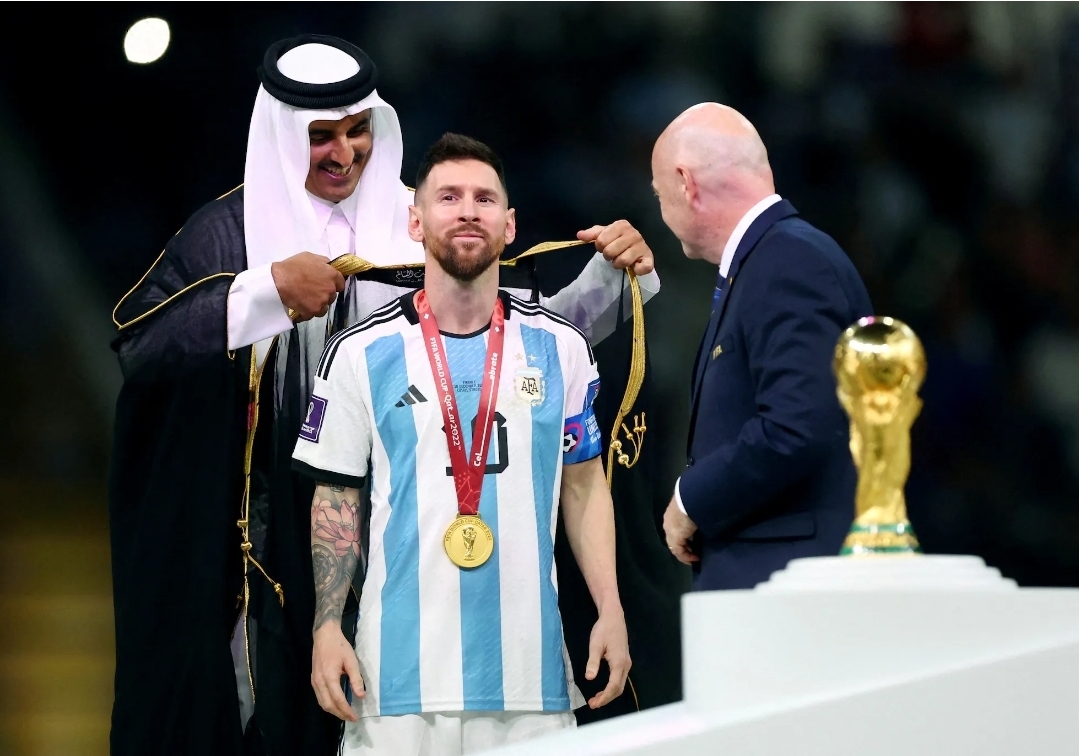
The 2022 World Cup final at Lusail Stadium was a spectacle etched in football history. Argentina and France battled fiercely, with the score locked at 3-3 in extra time. Emiliano Martínez’s crucial save sent the match to penalties, where Argentina’s resilience led to a triumphant victory. Lionel Messi, adorned in a traditional Arab bisht, lifted the trophy alongside Qatar’s Emir and FIFA President Gianni Infantino—a beautiful image symbolizing success and celebration.
Yet, behind the cameras and cheering crowds, voices like Ibhais’s remained unheard. His reflection on that moment captures the bittersweet nature of the event: “When Messi lifted that trophy, I understood that Qatar had won… My story, on the other hand, was buried.” The perfect tournament Qatari authorities had envisioned came at the expense of many silent hardships.
Beyond the Trophy: Reflecting on Qatar’s Human Rights Record
Abdullah Ibhais’s story is emblematic of broader issues that plagued Qatar during the World Cup buildup. The exploitation of workers, suppression of human rights defenders, and the prioritization of national image over individual dignity prompted serious international criticism. Despite efforts by Qatar to improve labor conditions and reform sponsorship systems in the years leading to the tournament, systemic problems persisted.
His narrative is a testament to the power of individual integrity and the cost of standing up for truth in an environment that demands conformity and silence. It urges the sporting community, governments, and fans alike to consider the full story behind major events, recognizing that behind the grandeur are real people with real struggles.
Conclusion
Abdullah Ibhais’s resignation and subsequent imprisonment highlight the complex intersection of sports, politics, and human rights. The 2022 World Cup was a historic event for football fans worldwide, but for those like Ibhais and the migrant workers in Qatar, it represented a stark collision between personal values and authoritarian power.
As the world celebrated on the field, his story reminds us that silent sacrifices and hidden injustices often underpin even the brightest moments. The legacy of the tournament will forever be intertwined with the stories of those who dared to speak out—and paid a heavy price for it. Their voices are a call to action, urging vigilance, accountability, and respect for human dignity in all arenas of life, including the beautiful game.