A New Era in Global Football: The 2025 Inaugural Tournament and Its Challenges
The world of football witnessed a significant event in 2025 with the inauguration of a new international tournament hosted in the United States. Featuring 32 teams from across the globe, the competition aimed to bring fresh excitement and global attention to the sport. However, despite its grand ambitions and impressive build-up, the event’s aftermath has been clouded by financial controversies, particularly regarding promised prize money and solidarity payments.
The 2025 Tournament: A Global Football Showcase
In 2025, the inaugural edition of this highly anticipated tournament took place, marking a fresh chapter for international football competitions. The United States, known for its growing passion and infrastructure for soccer, played host to 32 national teams that competed against each other with high fervor and skill.

DAZN’s Major Investment
A pivotal moment in the tournament’s build-up was the securing of broadcast rights by DAZN, a streaming sports service. DAZN broke records by paying £740 million for exclusive rights to air the event globally. This deal not only guaranteed wide broadcast coverage but also signaled a shift towards digital streaming as a primary platform for major sports events.
Further strengthening its foothold, a Saudi Arabian Public Investment Fund-owned company acquired a stake in DAZN. This strategic investment underscored the growing influence of Middle Eastern capital in global sports and media markets, adding an extra layer of intrigue to the tournament’s prelude.
The Unpaid Solidarity Payments Scandal
Despite the successful staging of the event and initial payments made to competing clubs, significant controversy arose over unpaid solidarity payments. These payments were designed to support clubs and the broader football pyramid worldwide that did not participate in the tournament.
What Are Solidarity Payments?
Solidarity payments constitute funds distributed to football clubs that play a key role in developing players but are not directly involved in major tournaments or transfers. The principle is to ensure that resources circulate throughout the sport, nurturing grassroots development and smaller clubs.
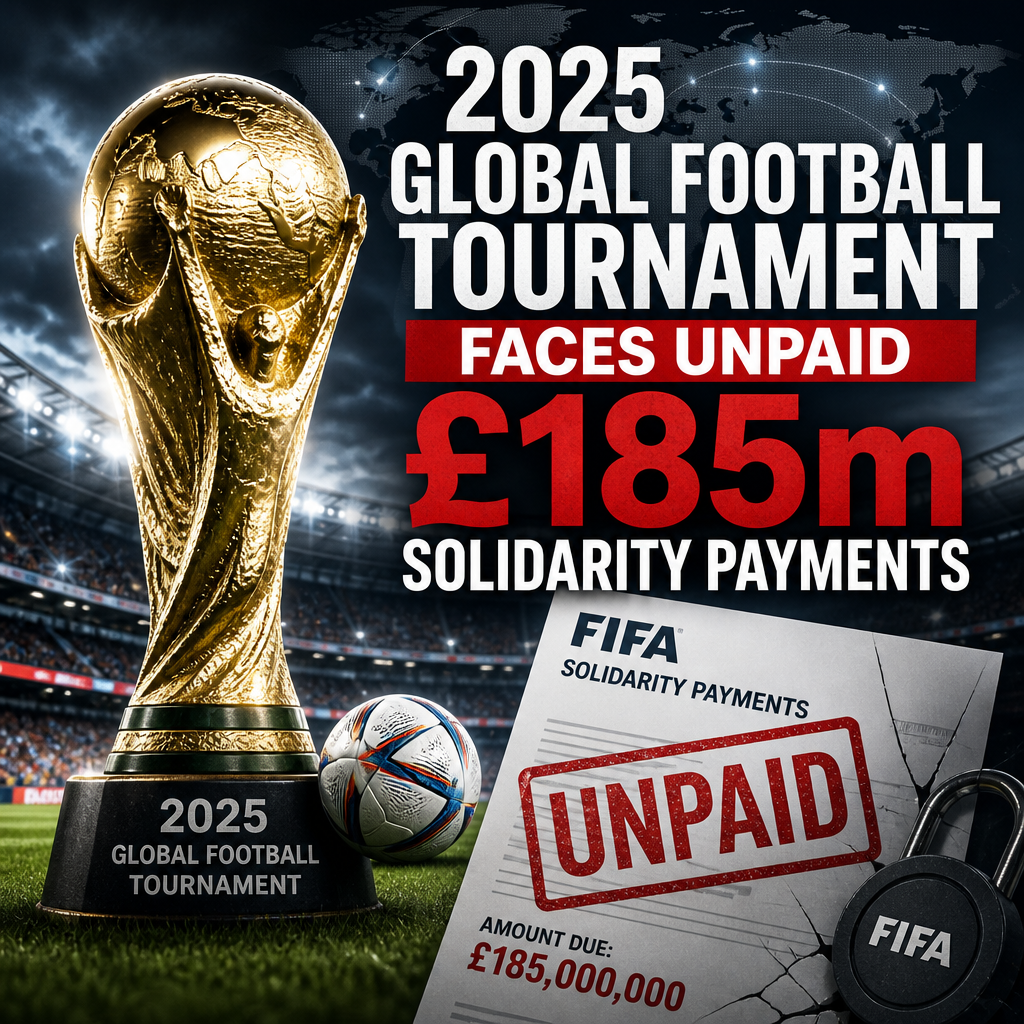
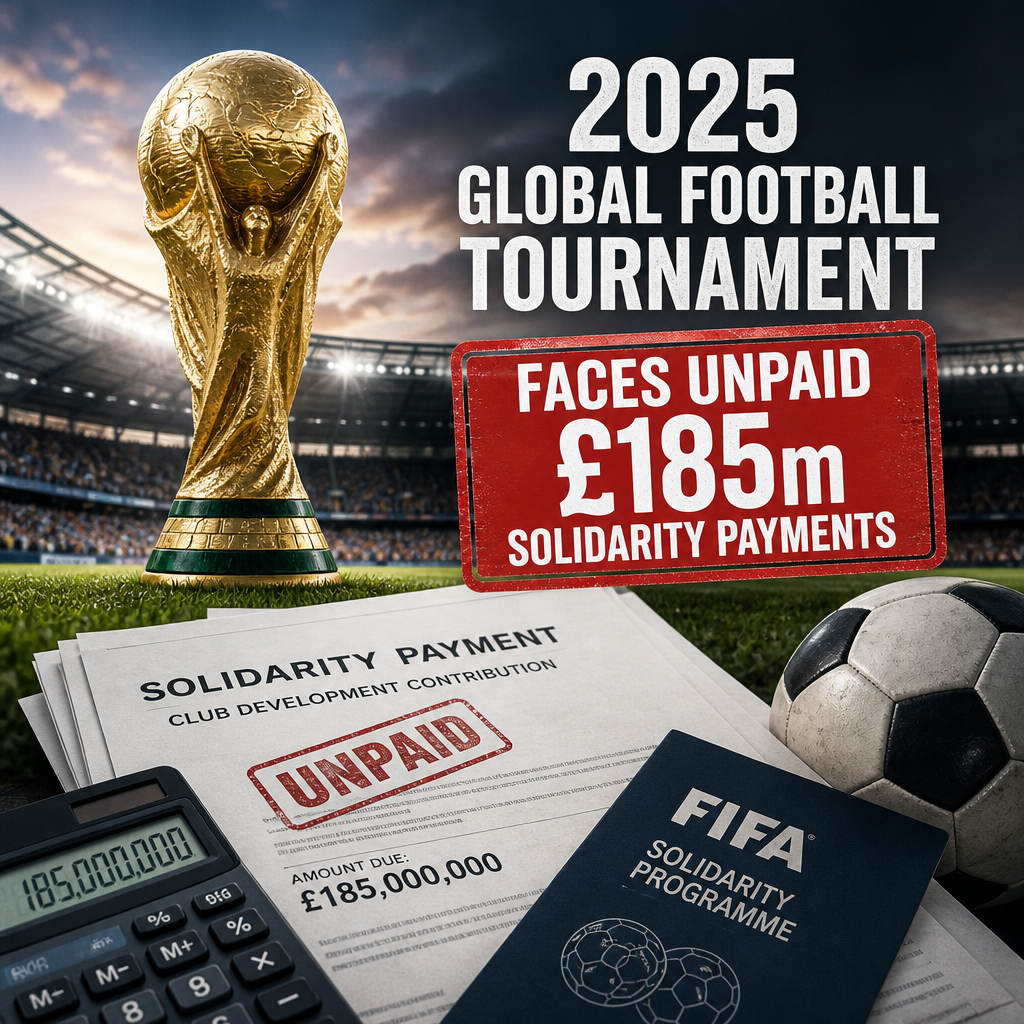
For the 2025 tournament, a total of £185 million was set aside for these solidarity payments. The initial proposal included distributing approximately £50,000 to every top-flight club across the world, recognizing their contribution to football’s ecosystem.
The Growing Discontent
Unfortunately, as the tournament wrapped up, clubs that were expecting these payments found no signs of the funds being disbursed. While the competing clubs reportedly received their prize money, the failure to deliver on the solidarity payments has sparked considerable anger and frustration within the football community.
Many smaller clubs and football associations feel bypassed by the tournament organizers and broadcasters, questioning the transparency and fairness of the whole process. This breach has led to calls for more accountability and stricter regulations concerning financial commitments in football events.
Implications for Future Tournaments
The experiences of the 2025 event offer important lessons for future football tournaments, particularly those involving massive financial transactions and global interest.
Ensuring Financial Transparency
The controversy surrounding unpaid solidarity payments highlights the urgent need for clear financial frameworks that guarantee all stakeholders receive their due revenues. Organizers must ensure that contractual obligations are met on time and in full, maintaining trust across the football pyramid.
The Role of Broadcasters and Investors
The involvement of broadcasters like DAZN and influential investors brings significant advantages but also increased scrutiny and responsibility. Their role should extend beyond securing broadcasting rights and investments to safeguarding the tournament’s integrity and the welfare of all clubs involved.
Conclusion
The inaugural 2025 football tournament held in the United States showcased football’s growing global appeal and the transformative power of new media platforms like DAZN. However, the unresolved issue of unpaid solidarity payments remains a blemish on what was otherwise a historic event. Moving forward, it is crucial that future tournaments learn from these challenges to promote fairness, support all tiers of football, and maintain the sport’s unifying spirit worldwide.
For ongoing updates and the latest in sports news, follow our Facebook page and stay connected.